
Breakfast & Brunch
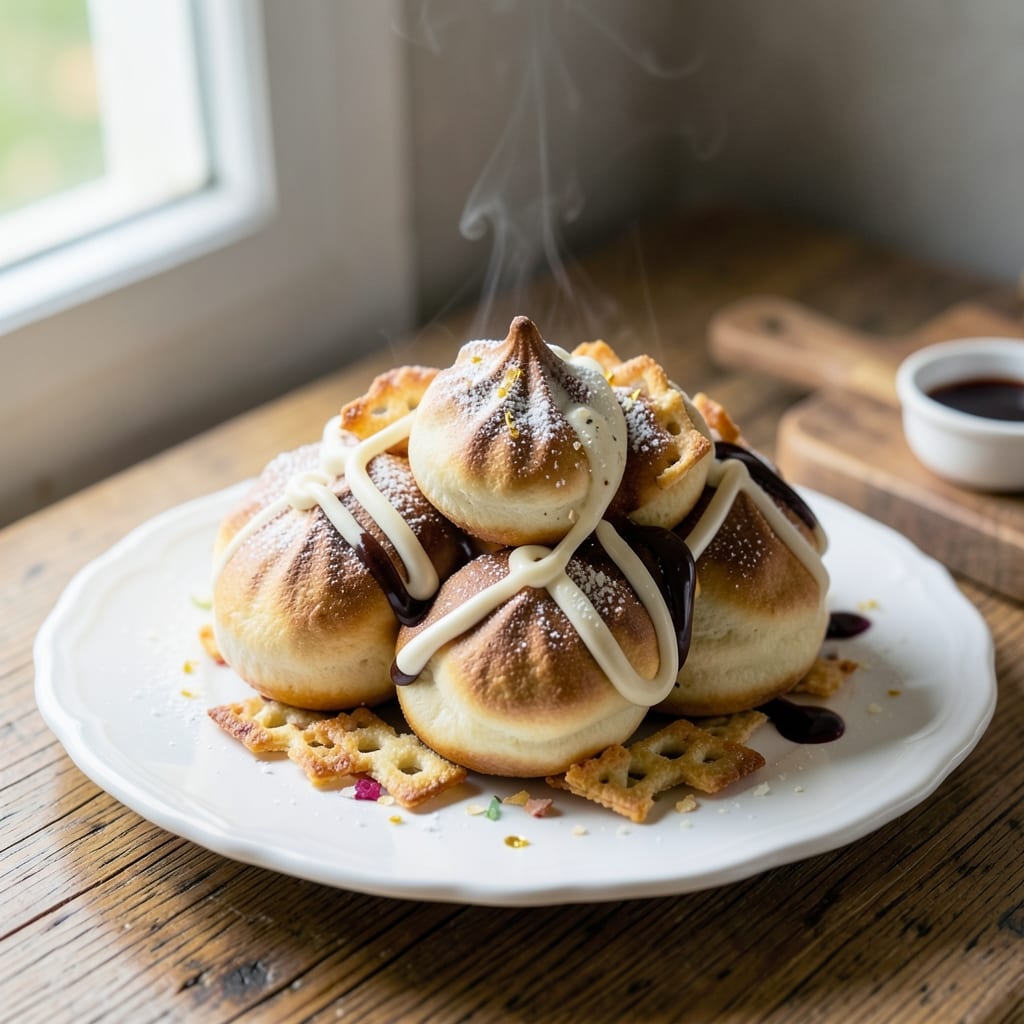
This duck egg meringue recipe transforms ordinary baking into delicate, golden artistry—where crispy shells hide silky golden streaks inside. 💛 The secret lies in duck eggs' richer protein content, which creates meringues with superior stability and shine compared to chicken eggs. I've perfected this technique over years of experimentation, ensuring your meringues hold their shape while developing that coveted crispy exterior and tender interior.
The process begins with carefully whipped egg whites, gradually folded into stiff peaks while avoiding overmixing—this is where texture perfection happens. Baking at a precise 200°F ensures even cooking without browning, resulting in meringues that stay light yet sturdy. The duck eggs' natural richness also means your meringues will have a deeper, more complex flavor profile that chicken egg versions simply can't match.
What you'll achieve is a batch of meringues with crispy exteriors that shatter satisfyingly and delicate, velvety interiors that melt in your mouth. These aren't just desserts—they're edible sculptures that elevate any dessert table. The technique works for nests, soufflés, or individual meringues, all with that signature golden sheen and perfect structure.
Pair with pastry cream, fresh berries, or chocolate ganache for a showstopping dessert that combines technical precision with elegant simplicity. Let's create meringues that look as impressive as they taste—every bite will be worth the effort.
Ingredients for duck egg meringue
Duck eggs unlock meringues with golden sheen and perfect crispy-tender balance—this is how you make them shine.
| Ingredient | Amount | Notes |
|---|---|---|
| Duck Egg Whites 🥚 | 6 large | Room temperature preferred |
| Granulated Sugar 🍚 | 1 cup | Superfine preferred for smooth texture |
| Cornstarch 🌾 | ½ tsp | For crispier meringues |
| White Vinegar 🍶 | ¼ tsp | Stabilizes egg whites |
| Cream of Tartar 🧂 | ¼ tsp | Enhances volume |
| Vanilla Extract 🌸 | ½ tsp | Pure vanilla for flavor |
| Unsalted Butter 🧈 | ¼ cup | Cubed, for nests |
| Pastry Cream 🍮 | 1 cup | For filling nests |
| Fresh Berries 🍓 | 1 cup | Optional garnish |
| Chocolate Ganache 🍫 | ½ cup | For drizzling |
| Dark Chocolate Chips 🍫 | ¼ cup | For nests |
| Food Coloring 🎨 | 1 drop | Gold or white, optional |
Duck eggs are non-negotiable here—their higher protein content creates meringues with unmatched stability and shine. Look for fresh duck eggs at specialty grocers like Whole Foods or local farms—they should have vibrant whites and firm yolks. If you can't find duck eggs, extra-large chicken eggs work in a pinch, but expect slightly less crispness. The whites should be at room temperature (about 30 minutes out of the fridge) for best volume. Penzeys Spices carries cream of tartar if your local store doesn't stock it—it's worth the small investment for professional results.
No cream of tartar? Lemon juice at the same amount works as a substitute, though it adds subtle flavor. Superfine sugar is ideal, but if you only have regular granulated, pulse it in a food processor for 30 seconds to break up the crystals. The butter should be cold but not hard—press a cube between your fingers to test. For nests, dark chocolate chips add beautiful contrast, while white chocolate creates a pristine look. Want extra shine? Add a drop of gold food coloring to the meringue before piping—just a hint makes all the difference.
Meringues keep best in a cool, dry place for up to 3 days—they're delicate, so handle them gently. For nests, store the butter and chocolate components separately and assemble just before serving. Freeze meringues for up to 1 month if you're making them ahead, but bring them to room temperature before filling. The pastry cream should be chilled until ready to use—warm cream makes the meringues soggy. These desserts are worth the effort, but they're also best enjoyed fresh when the shells are at their crispiest.
Why You'll Love This Recipe
- No Fuss Whipping: I swear by this meringue—just duck whites, sugar, and a splash of vinegar. The cornstarch keeps it stable, so no more deflating disasters. Honestly, it’s the kind of recipe where I can talk to my kids while the mixer does all the work.
- Rich Without the Guilt: That duck egg white? Pure flavor gold. It’s richer than chicken eggs but still light as air, with a crisp shell and marshmallow center. Between us, it’s the only meringue I’ll make now—I don’t need store-bought when this tastes like a bakery’s secret.
- Party-Proof Any Time: Use it for pies, toast it under the broiler for a quick dessert, or even fold into pavlova. I’ve served it at brunch, potlucks, and even as a last-minute dessert when I forgot to bake. The cream of tartar keeps it fresh for days, so it’s my go-to for gatherings.
- Budget-Friendly Luxury: Duck eggs might sound fancy, but they’re cheaper than you think—especially if you buy in bulk. A single carton stretches across multiple batches, and the sugar/cornstarch mix is a pantry staple. It’s the kind of treat that feels special without breaking the bank.
Step-by-step instructions for silky golden duck egg meringues
Here's how to transform rich duck egg whites into delicate, crispy meringues with golden streaks.
🍳 Step 1: Whip Duck Egg Whites to Stiff Peaks
Separate the 6 large duck egg whites into a spotless, grease-free mixing bowl. I use a wire whisk first to break up any foam, then switch to a stand mixer with the whisk attachment. Add the 0.5 tsp cornstarch and 0.25 tsp cream of tartar to the egg whites—they'll help stabilize and increase volume.
Start mixing on low speed until frothy, then gradually increase to high speed. After about 2 minutes, add the 1 cup granulated sugar all at once. You'll see the mixture transform from liquid to glossy meringue. Whip for another 5-7 minutes until stiff peaks form—when you lift the whisk, the meringue should hold its shape and leave a trail.
Here's the thing—duck egg whites whip differently than chicken eggs. They're richer and denser, so they'll take slightly longer to reach stiff peaks. I like to test by tilting the bowl—if the meringue holds its shape when upside down, it's ready. Add the 0.5 tsp vanilla extract and 1 drop food coloring (if using) now, mixing just until combined.
👨🍳 Step 2: Shape Meringue Nests for Perfect Crispiness
Preheat your oven to 250°F and line two baking sheets with parchment paper. Using a spoon or piping bag, create 2-inch diameter nests on the prepared sheets. I like to make about 4 nests per sheet to allow room for spreading. For extra flair, sprinkle 0.25 cup dark chocolate chips into the centers of each nest before shaping the meringue around them.
The key to crispy meringues lies in this step. Make sure your nests are well-formed with slightly higher edges—they'll spread slightly during baking. Leave about 1 inch between nests so they don't merge. For golden streaks, I use a toothpick to draw delicate lines on the tops before baking. This creates those beautiful patterns while ensuring even baking.
Bake for 1 hour 15 minutes until the meringues are completely dry to the touch and have developed their signature crisp texture. I know it seems like a long time, but patience is crucial—rushing leads to chewy centers. The oven should remain closed the entire time to prevent moisture from forming.
⏰ Step 3: Fill and Assemble Your Meringue Nests
Once the meringues are cool, carefully spoon 1 cup pastry cream into each nest. I like to use a small offset spatula to spread it evenly—this ensures every bite has that luxurious filling. The pastry cream should be at room temperature for best texture. For a showstopping presentation, arrange 1 cup fresh berries around each nest on your serving platter.
Here's where the magic happens: drizzle each filled meringue with 0.5 cup chocolate ganache using a squeeze bottle or piping bag. The ganache should coat the sides and create elegant ribbons down the centers. Work quickly so the ganache doesn't set before you finish—it should be at about 70°F for perfect drizzling consistency.
Let the ganache set for 10 minutes before serving. This resting time allows the ganache to firm up slightly while keeping that silky texture. The contrast between the crisp meringue shell, creamy pastry cream center, and glossy chocolate ganache is what makes these meringues truly special.
Pro Tips For Making Duck Egg Meringue
- USE COLD BOWLS FOR WHITES: Duck egg whites are richer and more stable cold—whisk them straight from the fridge in chilled metal bowls. I learned this the hard way when my first batch turned grainy; warm whites just won’t behave the same.
- ADD ACID GRADUALLY: Start with just half the cream of tartar and vinegar, then taste the meringue as it thickens. Duck whites need less acid than chicken whites—too much makes them stiff and brittle. Adjust slowly; you can always add more.
- STOP BEATING AT SOFT PEAKS: Overwhipped duck meringue collapses faster than you can say “sugar rush.” Pull the mixer at soft peaks—when the beater leaves a slight trail—but before the whites look like stiff clouds. They’ll hold shape better when baked.
- BUILD HEAT SLOWLY: Preheat the oven to 250°F (120°C), then bake the meringue on the middle rack for 10 minutes before cranking it to 300°F (150°C). This prevents cracking—duck whites dry out faster, and sudden heat turns them rubbery. Patience here saves the day.
Creative variations of these flavors
French Meringue Nests
Transform your duck egg meringues into classic French meringue nests by shaping them into intricate, lace-like shells. After whipping the egg whites to stiff peaks, pipe them into delicate nests using a Wilton 1M piping tip—create a base ring, then work outward in concentric circles. Bake at 200°F for 1 hour 30 minutes until completely dry and crisp. Fill with vanilla bean pastry cream and garnish with edible gold leaf for an elegant touch. 💛
Italian Lemon Meringue
Brighten your meringues with Italian lemon meringue by folding in 2 tbsp fresh lemon juice and 1 tbsp lemon zest after whipping the egg whites. The acidity creates a lighter texture and enhances the natural sweetness. Pipe into 3-inch rounds and bake at 225°F for 1 hour 15 minutes for a crisp shell. Serve with lemon curd and raspberries for a refreshing twist. The duck eggs add richness that balances the citrus perfectly.
Swiss Meringue Soufflés
For a luxurious Swiss meringue soufflé, whip the duck egg whites with 1 cup superfine sugar over a double boiler until 160°F before folding in 1 cup whipped cream and 1 tsp vanilla. Pipe into ramekins and bake at 375°F for 12-15 minutes—the high heat creates a golden crust while keeping the inside light. Top with caramelized bananas or white chocolate shavings for a decadent dessert. The duck eggs' higher protein content makes these soufflés more stable than traditional versions.
Chocolate-Dipped Meringues
Create chocolate-dipped meringue bites by shaping the meringue into 1-inch balls and baking at 200°F for 45 minutes. Once cooled, dip half of each meringue into melted dark chocolate (use Ghirardelli 72% cacao) and sprinkle with crushed hazelnuts or sea salt flakes. The duck eggs' richer flavor pairs beautifully with the bitterness of dark chocolate, creating a sophisticated treat. Store in an airtight container for up to 5 days—they're perfect for gifting or holiday parties.
Seasonal Fruit Variations
Incorporate seasonal fruits into your meringues for vibrant flavors. For summer, fill nests with mango purée and top with toasted coconut flakes. In fall, use spiced apple compote and drizzle with caramel. Winter calls for cranberry-orange sauce and candied pecans. The duck eggs' natural richness complements the fruit's acidity, making each bite balanced and refreshing. Adjust baking times slightly—fruit fillings can add moisture, so check for doneness at 1 hour instead of 1 hour 15 minutes.
Savory Herb Meringues
Surprise your guests with savory herb meringues by omitting sugar and adding 1 tbsp chopped fresh herbs (like tarragon or thyme) and 1 tsp lemon zest to the whipped egg whites. Pipe into small rounds and bake at 250°F for 1 hour. Serve with whipped goat cheese and honeycomb for a unique appetizer. The duck eggs' higher fat content creates a delicate, crisp shell that pairs beautifully with the herbal notes. This version is perfect for brunch or holiday appetizers!
Nutrition facts
Frequently asked questions
Why do duck eggs make better meringues than chicken eggs?
Duck eggs contain 30% more protein than chicken eggs, which creates meringues with superior stability and shine. The higher fat content also gives them a richer flavor and crispier texture when baked. Plus, duck egg whites whip to glossy, velvety peaks that hold their shape beautifully—perfect for intricate nests and delicate designs.
Can I substitute chicken eggs if I can't find duck eggs?
You can use extra-large chicken eggs as a substitute, but expect slightly less crispness and shine. For best results, use 6 extra-large eggs and add 1 extra tablespoon of cream of tartar to help stabilize the meringue. The texture will be good, but won't match the luxurious richness of duck egg meringues.
How do I prevent my meringues from weeping or collapsing?
Weeping happens when meringues absorb moisture from fillings. To prevent it, let meringues cool completely before filling, and use pastry cream at room temperature. For extra protection, bake meringues at 200°F for 1 hour 15 minutes until completely dry, then store in an airtight container with a silica packet. Adding 0.5 tsp cornstarch to the meringue also helps create a crispier barrier.
What's the best way to store leftover meringues?
Store meringues in a cool, dry place (like a pantry) for up to 3 days in an airtight container with a silica gel packet to absorb moisture. For longer storage, freeze meringues for up to 1 month. Thaw at room temperature before filling—never microwave. The key is keeping them completely dry to maintain that perfect crisp texture.
Can I make meringues without a stand mixer?
Use a handheld electric mixer or even a balloon whisk—just be prepared for more arm work. Whip egg whites on high speed for 7-10 minutes until stiff peaks form. The key is patience—duck egg whites take longer to whip than chicken eggs. Work in short bursts to avoid overheating the bowl.