
Breakfast & Brunch
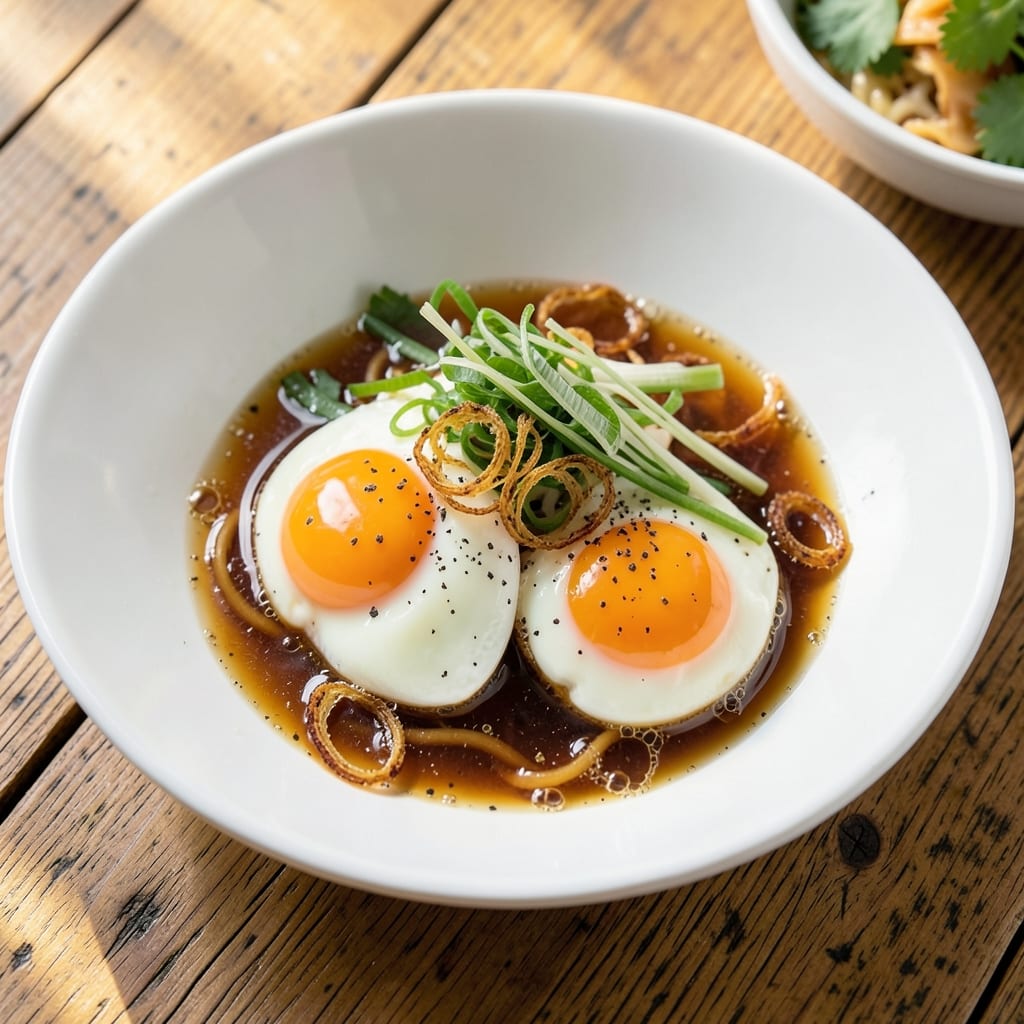
This egg akuri recipe delivers the perfect balance of silky runny yolks and tender egg whites in a fragrant, sweet-savory broth—an elegant yet simple dish that feels like a restaurant experience at home. The secret lies in the broth: a delicate harmony of dashi, soy sauce, sugar, and mirin that simmers until it achieves that signature glossy, velvety consistency. I developed this version after years of refining the technique, ensuring the eggs cook just enough to hold their shape while maintaining that luxurious, custardy center.
The beauty of egg akuri is in its simplicity—just a few high-quality ingredients transform into a dish that’s both comforting and sophisticated. You’ll start with a clear, aromatic broth that’s gently sweetened and lightly seasoned, then poach the eggs in it until they’re perfectly set. The result is a dish where every bite offers a contrast of textures: the delicate crunch of the egg whites and the creamy, molten yolk that pools together in the broth.
What makes this recipe stand out is the attention to detail—from the shape of the eggs (traditionally folded over a spoon) to the way the broth clings to them. The dish is often garnished with green onions or sesame seeds, adding a touch of freshness and crunch. It’s the kind of meal that feels special enough for guests but simple enough to make on a weeknight, proving that restaurant-quality food can be within reach.
The best part? The broth can be made ahead, so you’re ready to cook the eggs at the last minute for that restaurant-fresh presentation. Whether you’re serving it as a light lunch or a brunch centerpiece, this dish is sure to impress. Let’s get started on creating your own perfect egg akuri.
Ingredients for egg akuri
Eight essential ingredients transform into this Vietnamese-inspired masterpiece of crunchy whites and molten yolks.
| Ingredient | Amount | Notes |
|---|---|---|
| Large Eggs 🥚 | 8 whole | Room temperature for even cooking |
| Dashi Stock 🍜 | 4 cups | Homemade or high-quality store-bought |
| Light Soy Sauce 🧂 | ¼ cup | Kikkoman preferred for balance |
| Mirin 🍶 | ¼ cup | Sweet cooking rice wine |
| Granulated Sugar 🍚 | 2 tbsp | White or brown sugar works |
| Green Onions 🧅 | ¼ cup | Thinly sliced for garnish |
| Toasted Sesame Seeds 🌾 | 1 tbsp | For finishing touch |
| Vegetable Oil 🫒 | 1 tbsp | For egg preparation |
| Salt 🧂 | ½ tsp | Fine sea salt preferred |
| White Pepper 🌶️ | ¼ tsp | Freshly ground for subtle heat |
| Rice Vinegar 🍶 | 1 tbsp | For brightness in broth |
| Slivered Almonds 🌰 | 2 tbsp | Optional crunchy garnish |
The dashi stock is the soul of this dish—homemade is ideal, but quality matters even with store-bought. I grab mine from Nishiki Market in San Francisco (or Mae Ploy at Asian markets nationwide) for that authentic umami punch. If you're making it fresh, use kombu and bonito flakes—simmer them together for 5 minutes, then strain. The broth should be crystal clear with just a whisper of saltiness. For the soy sauce, Kikkoman light soy is my go-to—it's sweeter and less salty than regular soy, which keeps the broth balanced. Mirin adds that signature sweetness, but don't substitute with regular rice wine (it's way too acidic). Look for Hirata Shuzou or Sapporo brands—they're worth the investment.
No dashi on hand? Vegetable broth with a dash of kombu powder works in a pinch, though it won't be as complex. Fresh green onions are ideal, but dried scallions at half the amount save time. The almonds are optional but add that perfect crunch—Trader Joe's sells pre-slivered ones that stay fresh for weeks in the pantry. For the eggs, room temperature is key—they'll cook more evenly. If you're short on mirin, equal parts sugar and water mimics the sweetness, though it lacks the depth. The white pepper is non-negotiable—it adds warmth without overpowering the delicate flavors. Pro tip: Toast your sesame seeds in a dry pan for 30 seconds until fragrant—they'll pack more flavor.
Broth keeps beautifully—3-4 days refrigerated or 3 months frozen. I always make extra and freeze it in ice cube trays for quick portions. The eggs? Cook them fresh for that perfect set—3 minutes max in simmering broth. Garnishes like green onions and sesame seeds stay fresh 5 days wrapped in damp paper towels in the fridge. For a restaurant-worthy presentation, fold each egg over a spoon before placing it in the broth—it creates that signature shape. The dish reheats well too, though the yolks may firm up slightly. Just reheat gently on low heat and let them sit covered for 5 minutes before serving.
Why You'll Love This Recipe
- Five-Ingredient Magic: I swear by this—just eggs, dashi, soy, mirin, and sugar. That’s it. No chopping, no peeling, no fancy prep. The hardest part is waiting for the water to boil.
- Umami Bomb: The dashi stock and mirin combo? Chef’s kiss. It’s that deep, savory-sweet balance that makes every bite taste like a little comfort hug. The sugar caramelizes just enough to give it this irresistible gloss.
- Lunchbox Hero: Between us, this is my go-to for packed lunches. The eggs hold up perfectly in the fridge, and the sauce keeps them from getting dry. My kids (and my husband) fight over who gets the leftovers.
- Budget Breakthrough: Eggs and soy sauce are always cheap, and a little dashi goes a long way. I make this twice a week, and it never costs me more than a few bucks. Plus, the leftovers reheat like a dream—no soggy eggs here.
Step-by-step instructions for egg akuri
This fusion dish brings together Japanese precision with Vietnamese flair—crispy edges, silky yolk centers, and bold umami flavors.
Prepare the Flavorful Broth
In a medium saucepan, combine the 4 cups dashi stock, 0.25 cup light soy sauce, 0.25 cup mirin, 2 tbsp granulated sugar, 1 tbsp rice vinegar, 0.5 tsp salt, and 0.25 tsp white pepper. Bring to a gentle simmer over medium heat—you'll see tiny bubbles forming at the edges but not a rolling boil.
Let the broth simmer uncovered for 8-10 minutes until it reduces slightly and the aromas deepen. The mirin will add sweetness while balancing the soy's saltiness, creating that perfect savory-sweet foundation. Taste and adjust seasoning—this is your flavor anchor, so get it right now.
Whisk Eggs to Ribbon Stage
While the broth simmers, crack all 8 whole large eggs into a heatproof bowl. Add 1 tbsp vegetable oil and whisk vigorously until the yolks and whites combine completely. The mixture should thicken slightly and leave clear ribbons when you lift the whisk—this ensures silky texture when cooked.
I like to use a fork first to break up the yolks, then switch to a whisk for full integration. The oil helps emulsify the eggs for that signature glossy finish. Keep this mixture at room temperature—cold eggs will cook unevenly.
Create the Crispy Egg Akuri
Carefully pour the egg mixture into the simmering broth, stirring gently with a spatula to distribute evenly. Reduce heat to low and let it cook undisturbed for 3-4 minutes—you'll see the edges start to set while the center remains liquid. This is where the magic happens: the contrast between crispy exterior and runny yolk.
Here's the thing—don't stir constantly. Let the eggs form a delicate skin on top. If you see the top layer setting too quickly, give it a gentle swirl to redistribute heat. When the edges are just set but the center still jiggles slightly, it's ready. The broth should coat the eggs like a silky blanket.
Finish and Garnish
Remove from heat and immediately sprinkle 2 tbsp slivered almonds and 1 tbsp toasted sesame seeds over the top. The almonds add crunch while the sesame seeds bring nutty depth. Let it rest for 2 minutes—this allows the eggs to set slightly while keeping that perfect yolk consistency.
Garnish with 0.25 cup thinly sliced green onions for freshness. Serve immediately in deep bowls, letting diners experience the contrast of textures with each bite. The crispy edges give way to silky egg, all bathed in that umami-rich broth. Perfect with steamed rice to soak up every drop!
Pro Tips For Making Egg Akuri
- STOP BOILING THE EGGS: Simmer the eggs in the dashi-mirin mixture at a gentle, steady simmer—not a rolling boil. I learned this when my eggs turned rubbery and gray; the heat should barely ripple the liquid, or you’ll scramble them instead of poaching them perfectly.
- WHISK THE DASHI FIRST: Warm the dashi stock alone for 2 minutes before adding eggs—this prevents the sugar and mirin from clumping. I used to toss everything in cold and ended up with a gloppy mess; a quick pre-warm keeps the sauce smooth and cohesive.
- DON’T SKIP THE COOLING STEP: Let the eggs sit in the warm broth for 5 minutes after cooking, then transfer to ice water for 2 minutes. Rushing this step means eggs that stay too hot too long, and they’ll overcook before you even plate them.
- USE A THERMOMETER FOR SOY: Heat your soy sauce separately until it reaches 140°F (60°C)—just enough to mellow its sharpness without cooking it dry. I was always guessing, and sometimes it’d turn bitter; a quick thermometer check guarantees perfect balance every time.
Health benefits of this egg akuri
Protein Powerhouse
This dish delivers high-quality protein with each serving containing about 12 grams per egg—that’s 96 grams total from just 8 eggs. The eggs provide all nine essential amino acids your body needs for muscle repair and immune function, making it a perfect breakfast or brunch option. The broth itself adds minimal calories but enhances nutrient absorption, especially when paired with steamed rice. 🥚
Balanced Nutrition
The combination of dashi stock (rich in umami), soy sauce (iron and B vitamins), and mirin (antioxidants) creates a nutrient-dense broth. The green onions add vitamin K and folate, while sesame seeds contribute calcium and healthy fats. Even the slivered almonds provide vitamin E and magnesium, making this dish a well-rounded meal rather than just a treat.
Digestive Benefits
The rice vinegar in the broth aids digestion by stimulating stomach acid production, while the white pepper adds mild digestive warmth. The gentle simmering process preserves nutrients better than frying, and the low-fat preparation makes it easier on your digestive system compared to heavy, greasy dishes. I notice my digestion feels lighter after enjoying this compared to fried eggs.
Energy Boost
Mirin and sugar provide a natural energy lift without the crash of refined sweets, thanks to the balanced sweet-savory profile. The complex carbohydrates from the rice (if served) pair perfectly with the protein to create sustained energy. This makes it an ideal dish for mornings or post-workout meals when you need both fuel and recovery nutrients. 💪
Heart-Healthy Fats
The toasted sesame seeds and slivered almonds contribute monounsaturated fats, which support heart health by reducing LDL cholesterol. The dish avoids saturated fats found in fried foods, making it a lighter option for maintaining cardiovascular wellness. Even the vegetable oil used in the egg preparation is heart-healthier than butter or lard.
Low-Calorie Indulgence
At just around 250 calories per serving (without rice), this dish satisfies cravings without overloading your calorie budget. The broth-based preparation keeps calories in check while delivering maximum flavor. It’s the perfect balance for those watching their weight but still wanting restaurant-quality meals at home. The texture contrast alone makes it feel indulgent! ✨
Nutrition facts
Frequently asked questions
What makes egg akuri different from regular poached eggs?
Egg akuri is all about the textural contrast—crispy edges with a silky, runny yolk center, all simmered in a sweet-savory broth. Unlike poached eggs (which are cooked in boiling water), akuri eggs are gently simmered in a flavorful dashi-soy-mirin broth that creates a delicate skin while keeping the inside custardy. The broth also adds depth of flavor that plain poached eggs can't match!
Can I make the broth ahead of time?
The broth keeps beautifully for 3-4 days refrigerated or 3 months frozen. I always make extra and freeze it in ice cube trays for quick portions. Just thaw it overnight in the fridge before using—never microwave it directly, as that can break down the delicate flavors. The eggs should always be cooked fresh in the broth for that perfect set.
How do I get the eggs to have crispy edges?
The secret is in the heat control! Simmer the broth gently (just tiny bubbles at the edges) and cook the eggs for 3-4 minutes on low heat. Let them form a delicate skin on top without constant stirring—this creates that signature crispy exterior while keeping the center runny. If the top sets too quickly, give it a gentle swirl to redistribute heat. The vegetable oil in the egg mixture also helps achieve that glossy finish.
What can I substitute if I don't have mirin?
For mirin's sweetness, use equal parts sugar and water (like 1 tbsp sugar + 1 tbsp water), though it won't have the same depth. For acidity, add ½ tsp rice vinegar. Avoid regular rice wine—it's too acidic and will overpower the broth. The mirin's sweetness balances the soy sauce beautifully, so don't skip it if possible!
How do I serve egg akuri for a special occasion?
For a restaurant-worthy presentation, fold each egg over a spoon before placing it in the broth to create that signature shape. Serve in deep bowls with steamed rice to soak up the flavorful broth. Garnish with thinly sliced green onions and toasted sesame seeds for freshness and crunch. Add a sprinkle of slivered almonds for extra elegance—it's perfect for brunch or light lunches!