
Breakfast & Brunch
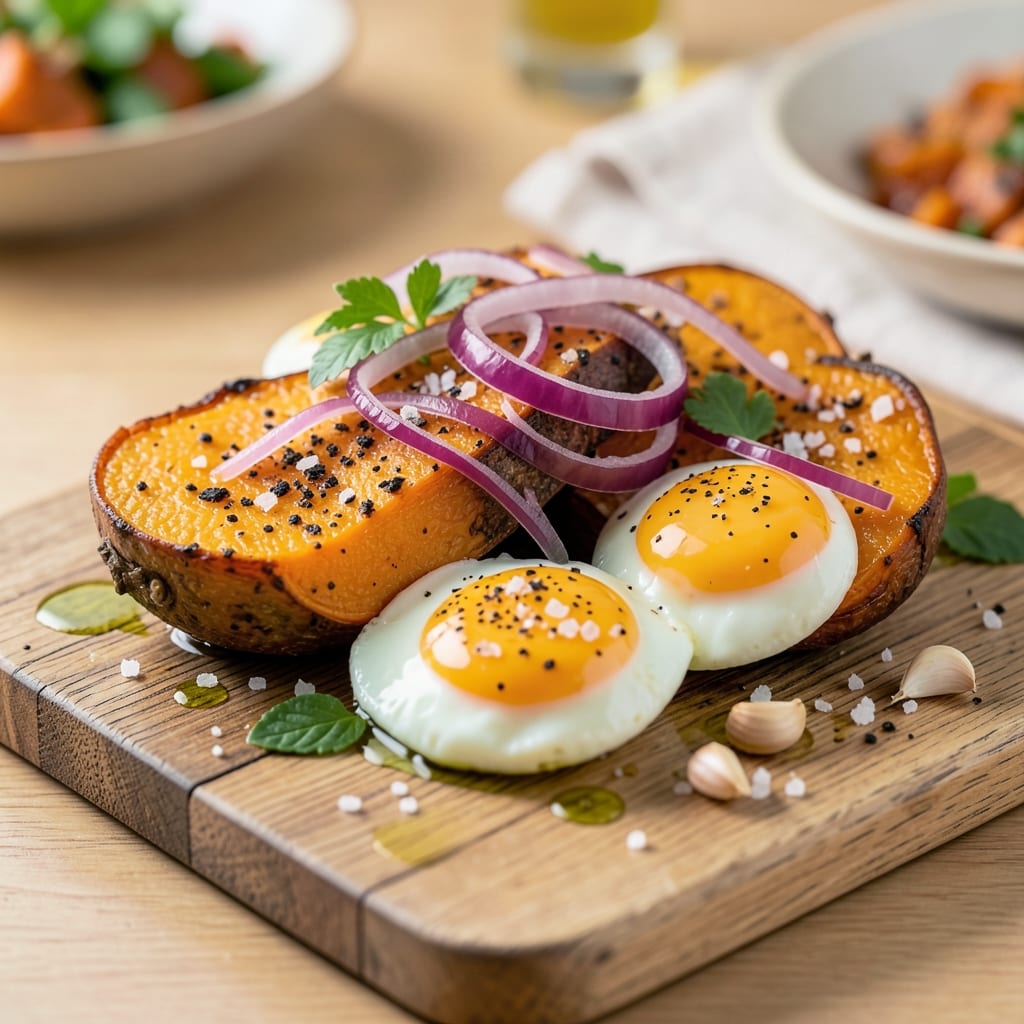
This egg and butternut squash recipe transforms breakfast into a warm, savory masterpiece that balances sweet and savory in every bite. The caramelized squash adds natural sweetness while crispy onions and eggs bring rich, hearty texture—perfect for a vegetarian-friendly meal that feels indulgent yet balanced. Roasting the squash first unlocks its nutty depth, creating a flavor foundation that elevates simple ingredients into something extraordinary.
The secret to success lies in high-heat roasting, which concentrates the squash’s natural sugars into a golden, tender texture. Sautéed onions and garlic build aromatic layers, while the eggs—poached or fried—add protein and creaminess. This dish comes together in under 30 minutes, making it ideal for busy mornings without sacrificing restaurant-quality results. The contrast of sweet squash and savory eggs creates a harmony that’s both comforting and exciting.
What makes this recipe stand out is its versatility—add crumbled feta for tang, fresh herbs for brightness, or a sprinkle of smoked paprika for depth. The caramelized squash pairs beautifully with the eggs’ richness, while the crispy onions add a satisfying crunch. It’s the kind of dish that transforms a simple breakfast into a showstopper, perfect for weekend brunch or a cozy weeknight meal.
Serve it with crusty bread to soak up every last bite or alongside a fresh salad for balance. The combination of textures and flavors makes it unforgettable—sweet, savory, and satisfying all at once. Let’s get cooking!
Ingredients for egg and butternut squash
Caramelized squash meets savory eggs—simple ingredients transformed into a restaurant-worthy vegetarian breakfast hash.
| Ingredient | Amount | Notes |
|---|---|---|
| Butternut Squash 🎃 | 2 cups | Cubed, peeled, and roasted |
| Yellow Onions 🧅 | 1 whole | Thinly sliced for caramelization |
| Garlic Cloves 🧄 | 4 cloves | Minced for aromatic depth |
| Large Eggs 🥚 | 4 whole | Fresh, room temperature |
| Extra-Virgin Olive Oil 🫒 | ½ cup | High-quality, fruity variety |
| Diamond Crystal Kosher Salt 🧂 | 1 ½ tsp | Adjust to taste |
| Freshly Ground Black Pepper 🌶️ | ½ tsp | For balanced seasoning |
| Fresh Thyme Leaves 🌿 | ¼ cup | Chopped, or dried at 1/3 amount |
| Crumbled Feta Cheese 🧀 | ¼ cup | Optional, for tangy contrast |
| Smoked Paprika 🌶️ | ½ tsp | For subtle smokiness |
| Fresh Parsley 🌿 | 0.1 cup | Chopped, for garnish |
| Crusty Bread 🍞 | 4 slices | For serving, optional |
The butternut squash is the heart of this dish, so choose a firm, heavy squash with no soft spots. Costco or local farms often carry pre-cut cubes, which saves time, but if buying whole, roast it first at 400°F until tender. The onions should caramelize to a deep amber—this takes patience, but the flavor is worth it. Yellow onions work best for sweetness, but red onions add a subtle bite if you prefer. Fresh thyme is ideal, but dried thyme works at one-third the amount. For the eggs, use free-range if possible—they hold up better to high heat.
No fresh thyme? Dried oregano at half the amount works in a pinch. Feta optional but recommended—crumbled over the top right before serving prevents it from melting into the hash. The smoked paprika adds depth without overpowering; skip it if you prefer a cleaner flavor. For extra richness, stir in 2 tbsp of crème fraîche at the end. The eggs can be fried, poached, or soft-boiled—adjust cooking time to preference. If you're short on time, pre-cooked chicken sausage (vegetarian) can be added for protein.
Roasted squash keeps for 5 days in the fridge, but it reheats best when fresh. Store caramelized onions in an airtight container with a paper towel to absorb moisture—lasts 4 days. For meal prep, cook the squash and onions ahead, then reheat with a splash of water before adding eggs. Garnish with fresh parsley just before serving to maintain color. This dish freezes beautifully if you make a big batch—portion the hash without eggs, then freeze separately for up to 3 months.
Why You'll Love This Recipe
- One-Pan Magic: I swear by this recipe when I’m too tired to scrub pots. Roast the squash and onions right alongside the eggs—same pan, same oven, minimal cleanup. The squash caramelizes into sweet, tender cubes while the eggs poach in their own little pools of richness. Honestly, I’ve made this on a weeknight when I’d rather be binge-watching than cooking.
- Sweet-Savory Balance: That deep, nutty squash paired with crispy onions and runny yolks? It’s the kind of dish where every bite feels like a hug. The garlic cloves roast until fragrant but never overpowering, and the olive oil ties it all together with a silky finish. My picky-eater husband actually asked for seconds—rare.
- Meal Prep MVP: Between us, this is my go-to for lunches all week. The squash holds up beautifully when reheated, and the eggs add a protein punch without getting rubbery. Pack it in jars or containers, and you’ve got a grab-and-go breakfast or light dinner that still feels special. (Yes, even on a Tuesday night.)
- Budget-Friendly Luxury: Butternut squash is cheaper than you think, especially when you roast it whole and slice it yourself. Eggs are a no-brainer, and a single bulb of garlic and onion stretches across multiple meals. I’ll be real: it tastes like a fancy brunch dish without the restaurant price tag. My wallet and taste buds both win.
Step-by-step instructions for savory breakfast hash
Here's how to create a perfectly balanced breakfast where sweet roasted squash meets savory eggs.
Roast the Butternut Squash and Caramelize the Onions
Preheat your oven to 400°F. Toss the 2 cups butternut squash with 2 tablespoons of the extra-virgin olive oil, 0.5 teaspoon smoked paprika, 0.75 teaspoon kosher salt, and 0.25 teaspoon black pepper. Spread on a baking sheet and roast for 20-25 minutes until tender and golden brown, stirring halfway.
While the squash roasts, heat 2 tablespoons olive oil in a large skillet over medium-low heat. Add the thinly sliced yellow onion and cook for 15-20 minutes, stirring occasionally, until deeply caramelized with a rich amber color. This slow cooking transforms the onions into sweet, jammy slices that form the hash base.
Build the Hash Base with Aromatics
Increase heat to medium and add 2 tablespoons olive oil to the skillet. Add the minced garlic cloves and cook for 30 seconds until fragrant but not browned. Immediately add the roasted butternut squash and caramelized onions, stirring to combine.
Sprinkle with the remaining 0.75 teaspoon kosher salt, 0.25 teaspoon black pepper, and 0.25 cup chopped fresh thyme leaves. Cook for 3-4 minutes until everything is heated through and the thyme releases its aromatic oils. Remove from heat and set aside.
Fry the Eggs to Perfection
Increase heat to medium-high and add 1 tablespoon olive oil to a clean skillet. Crack the 4 large eggs into the skillet, spacing them evenly. Cook for 2-3 minutes until the whites are set but yolks remain runny. For firmer yolks, cook 1 additional minute.
While the eggs cook, return the hash mixture to the skillet, spreading it evenly. Create four wells in the hash and nestle each egg into its own depression. Cover the skillet and cook for 1-2 minutes to let the heat gently warm the eggs through without overcooking.
Finish and Serve
Remove from heat and sprinkle with 0.25 cup crumbled feta cheese and 0.1 cup chopped fresh parsley. Let sit for 1 minute to allow the cheese to soften slightly and meld with the hash. Divide the hash and eggs among four plates.
Serve immediately with the 4 slices crusty bread on the side for dipping. The combination of sweet caramelized onions, tender squash, and perfectly fried eggs creates a breakfast that balances sweet and savory in every bite. The feta adds a bright tang that cuts through the richness of the eggs and squash.
Pro Tips For Making Egg And Butternut Squash
- Roast Squash Until Fork-Tender: I used to pull butternut squash out of the oven thinking it was done—only to have it fall apart when I tried to scoop it. Aim for a knife sliding in like butter, not a mushy mess. Cover loosely with foil halfway if your oven runs hot, but check at 30 minutes to avoid soggy skin.
- Salt Onions Before Cooking: Freshly sliced yellow onions release water like a faucet when raw. Toss them with a pinch of salt and let sit 10 minutes before cooking—they’ll soften faster and caramelize better. Trust me, this cuts down on splatter and speeds up the process.
- Prevent Eggs from Curdling: If you’re adding eggs to the squash mixture while it’s still hot, temper them first. Whisk the eggs in a separate bowl with a splash of cold water, then slowly mix in warm squash. Otherwise, you’ll end up with scrambled bits instead of creamy custard.
- Upgrade with Toasted Garlic: Skip the minced raw garlic—it can turn bitter when cooked with squash. Lightly toast whole cloves in olive oil for 2 minutes until fragrant, then smash them flat. The flavor is deeper, and it won’t overpower the dish. (Yes, even if you’re impatient like me.)
Dietary considerations for this dish
Vegetarian Protein Boost
This dish delivers high-quality vegetarian protein primarily from the 4 large eggs, providing about 24 grams per serving—equivalent to a small chicken breast. The butternut squash adds fiber and vitamins while keeping the meal hearty. For extra protein, stir in ½ cup cooked chickpeas or ¼ cup crumbled goat cheese during the final step. 💪
Gluten-Free Friendly
Naturally gluten-free, this recipe relies on simple ingredients without grains or wheat. Always check your extra-virgin olive oil and smoked paprika labels for hidden gluten—brands like Primal Kitchen and Burlap & Barrel are certified gluten-free. Serve with gluten-free toast or skip bread entirely to keep it safe for celiac diets.
Low-Carb Adaptation
For a low-carb version, reduce the squash to 1 cup and replace with ½ cup diced zucchini or ½ cup cauliflower florets. The onions remain for sweetness, but their carbs are minimal. Top with avocado slices for healthy fats and extra creaminess. This adaptation keeps net carbs under 10g per serving.
Dairy-Free Options
Skip the feta cheese or substitute with nutritional yeast for a cheesy flavor without dairy. Use olive oil instead of butter for cooking, and garnish with toasted pumpkin seeds for crunch. The eggs and squash provide all the richness you need—no dairy required! 🌱
Allergen Awareness
This recipe contains eggs as the primary allergen—always check labels on your extra-virgin olive oil and feta cheese for cross-contamination warnings. For egg-free versions, replace eggs with tofu scramble or chickpea flour fritters. The squash and onions remain safe for most allergies, making this a flexible base for dietary needs.
Nutrition facts
Frequently asked questions
Can I make this recipe without roasting the squash?
Roasting brings out the squash's natural sweetness and caramelized texture, but you can sauté it instead. Use medium-high heat with 1 tablespoon olive oil for 8-10 minutes, stirring often, until tender. The flavor will be less concentrated but still delicious—just add a pinch of maple syrup or brown sugar to enhance sweetness.
What's the best way to store leftovers?
Store the hash (without eggs) in an airtight container for up to 4 days in the fridge. Reheat gently in a skillet with a splash of water, then add fresh eggs when serving. For longer storage, freeze the hash base (without eggs) for 3 months—thaw overnight before reheating. Never freeze eggs cooked into the dish.
How can I make this dish spicier?
Add ½ teaspoon cayenne pepper or 1 teaspoon chili flakes when roasting the squash, or stir in 1 chopped jalapeño with the onions. For heat lovers, top with a drizzle of hot sauce or sprinkle of red pepper flakes right before serving. The sweetness of the squash balances the spice beautifully.
Can I use sweet potatoes instead of butternut squash?
Yes, but the flavor will be slightly different. Sweet potatoes have a denser texture and earthier taste. Roast them at 400°F for 25-30 minutes until tender, and reduce the cooking time with onions by 5 minutes. The natural sweetness is similar, but butternut squash's nutty notes create a more complex harmony with eggs.
Why did my onions burn instead of caramelizing?
Caramelizing requires low heat and patience—never rush it! Use medium-low heat and stir frequently. If your onions burn, try this fix next time: Cook them in a heavy skillet with 1 tablespoon butter (in addition to oil) for better heat distribution. Also, ensure your onions are thinly sliced for even cooking.