
Desserts
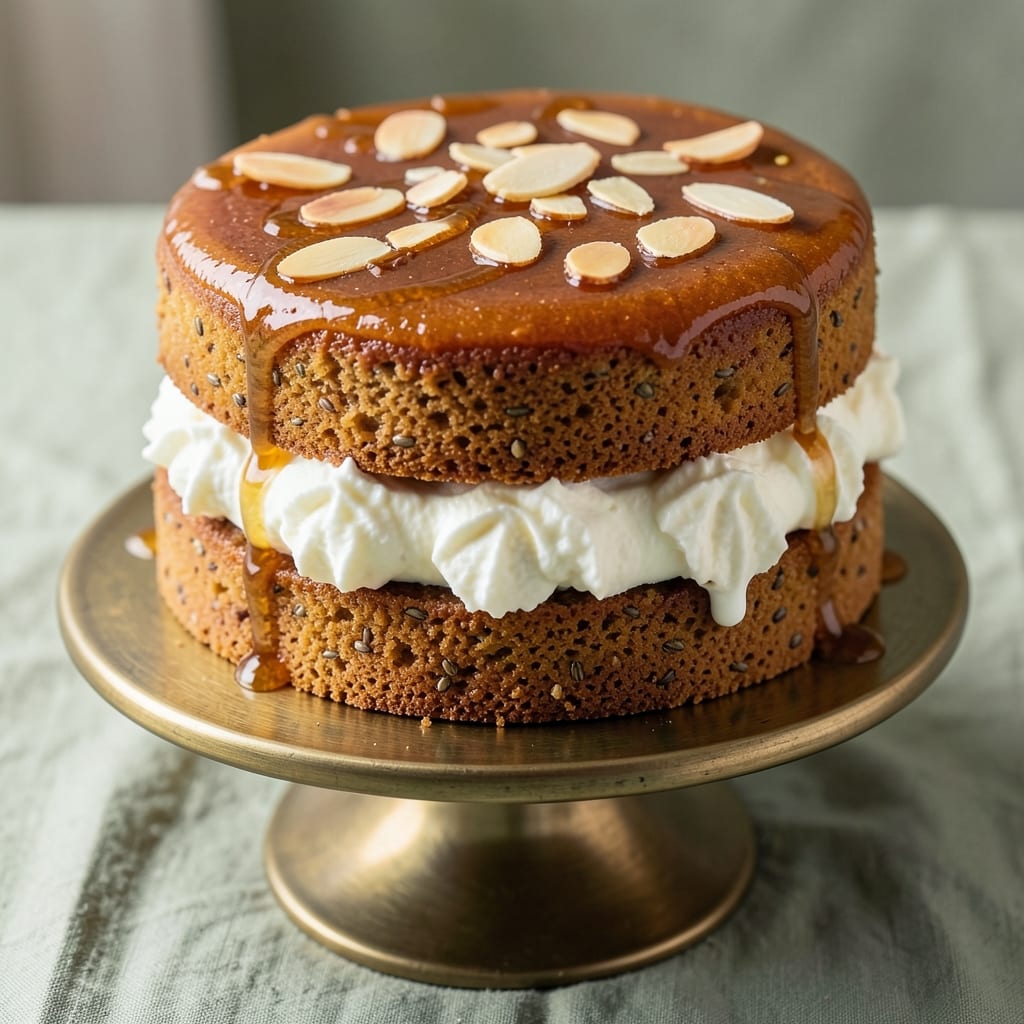
This egg and milk free cake recipe delivers fluffy vanilla bliss that proves plant-based baking can be just as light and tender as traditional cakes. ✨ The secret lies in a clever combination of aquafaba (chickpea brine) and coconut milk, which create the perfect airy texture without dairy or eggs—no one will guess it's vegan.
What sets this recipe apart is the foolproof method that ensures a moist crumb and golden top every time. We'll use flax eggs for binding and coconut milk for richness, while a touch of apple cider vinegar helps activate the baking soda for that signature rise. The result is a cake that's perfectly balanced—not too dense, not too dry, with just the right amount of vanilla sweetness.
This cake is versatile enough for birthdays, brunch, or just satisfying a sweet craving. It bakes up with a tender crumb and stays moist for days when stored properly, making it ideal for meal prep or special occasions. The best part? No special equipment or complicated techniques—just simple ingredients and a standard oven.
Whether you're baking for dietary restrictions or simply love experimenting with plant-based recipes, this cake proves you don't need eggs or milk to create something restaurant-quality at home. Let's get started with a recipe that delivers on both flavor and texture.
Ingredients for egg and milk free cake
Twelve simple ingredients create restaurant-quality vanilla cake without dairy or eggs.
| Ingredient | Amount | Notes |
|---|---|---|
| All-Purpose Flour 🌾 | 2 ½ cups | Sifted for light texture |
| Granulated Sugar 🍚 | 1 ½ cups | White or light brown |
| Coconut Milk 🥥 | 1 can | Full-fat, well-shaken |
| Aquafaba 🥫 | 1 cup | From chickpea brine |
| Ground Flaxseed 🌱 | 2 tbsp | Plus 6 tbsp water |
| Apple Cider Vinegar 🍏 | 1 tbsp | For chemical leavening |
| Baking Soda 🧂 | 1 tsp | Pure, not baking powder |
| Pure Vanilla Extract 🌿 | 1 tbsp | High-quality preferred |
| Salt 🧂 | ½ tsp | Fine sea salt |
| Vegetable Oil 🫒 | ½ cup | Light or canola oil |
| Unsweetened Applesauce 🍎 | ½ cup | For moisture and binding |
| Almond Milk 🥛 | ¼ cup | For extra tenderness |
The aquafaba is the game-changer here—save the brine from a can of chickpeas (or buy it pre-packaged at stores like Whole Foods or Trader Joe's). Look for full-fat coconut milk; the richness makes all the difference. Bob's Red Mill ground flaxseed is my go-to for flax eggs, but any organic brand works. The baking soda needs to be fresh—if it's over a year old, toss it. For vanilla, McCormick Pure Vanilla Extract is reliable, but nothing beats real Madagascar bourbon vanilla if you're splurging.
No aquafaba? Flax eggs (1 tbsp ground flax + 3 tbsp water) at double the amount work in a pinch. Swap coconut milk for soy milk or oat milk, but expect slightly denser texture. Maple syrup can replace half the sugar for a deeper flavor. The applesauce is non-negotiable for moisture—no substitutions here. If you're short on time, pre-mixed aquafaba from brands like Follow Your Heart saves steps. Measure your flour by spooning it into the cup and leveling—don't scoop or you'll pack it too tightly.
Store leftovers in an airtight container at room temperature for 2-3 days or refrigerate for 5 days. For longer storage, wrap tightly in plastic and freeze for up to 3 months. To reheat, microwave in 10-second bursts—this cake reheats beautifully. The flax eggs and coconut milk keep it moist even after baking, so you won't get that dry, crumbly texture. For special occasions, bake in a 9x13-inch pan instead of two 8-inch rounds—easier to serve and just as delicious.
Why You'll Love This Recipe
- Uses what you already have: sugar, flour, and canned coconut milk. No special ingredients, no extra trips to the store—just pure, reliable cake.
- No-Fuss Mixing: I swear by the flaxseed trick—just stir, wait five minutes, and you’re done. No whisking eggs or measuring milk, just a bowl and a spoon.
- Coconut Cream Dream: That aquafaba keeps it light, but the coconut milk? Rich, buttery, and subtly sweet—like a vanilla cake’s sophisticated cousin.
- Weeknight to Party: Same batter for cupcakes, sheet cake, or even muffins. Bake once, slice for breakfast or dessert—no one will guess it’s allergy-friendly.
Step-by-step instructions for fluffy vanilla cake without eggs or milk
Here's how to create a light, airy cake using simple substitutes—no dairy, no eggs, just perfect texture.
👨🍳 Step 1: Prepare the Flax Egg and Whip the Aquafaba
First, combine the 2 tablespoons ground flaxseed with 6 tablespoons water in a small bowl. Stir well and let it sit for 5 minutes—this creates a gel-like flax egg that replaces traditional eggs. The mixture should thicken noticeably, resembling raw egg whites.
In a separate bowl, use a hand mixer to whip the 1 cup aquafaba (chickpea brine) on high speed for 4-5 minutes until it forms stiff, glossy peaks. You'll see the mixture double in volume and hold its shape when you lift the whisk. This step mimics egg whites' ability to incorporate air, giving your cake that signature fluffiness. Don't rush this—properly whipped aquafaba makes all the difference.
👨🍳 Step 2: Mix Wet Ingredients for Maximum Moisture
In a large mixing bowl, combine the 1 can coconut milk (well-shaken), 0.5 cup vegetable oil, 0.5 cup unsweetened applesauce, 0.25 cup almond milk, 1 tablespoon apple cider vinegar, 1 tablespoon pure vanilla extract, and 0.5 teaspoon salt. Whisk until smooth—this blend creates the moist, tender base of your cake.
Next, gently fold in the whipped aquafaba using a spatula, being careful not to deflate the air you've incorporated. Then add the flax egg mixture and stir until fully combined. The batter should be thick but pourable—if it's too thick, add 1-2 tablespoons more almond milk to achieve the right consistency. This step ensures your cake will rise properly without being dense.
👨🍳 Step 3: Combine Dry Ingredients and Fold Gently
In a separate bowl, sift together the 2.5 cups all-purpose flour and 1.5 cups granulated sugar with the 1 teaspoon baking soda. Sifting prevents lumps and ensures even distribution of leavening agents. The baking soda reacts with the apple cider vinegar in the wet ingredients to create lift, so don't skip this step.
With the mixer on low speed, gradually add the dry ingredients to the wet mixture. Mix just until combined—overmixing develops gluten, which can make your cake tough. Stop mixing as soon as the batter comes together. The final batter should be smooth with no visible flour streaks. This gentle approach preserves the airiness you worked so hard to create in earlier steps.
🔥 Step 4: Bake Until Golden and Springy
Preheat your oven to 350°F and grease two 8-inch round cake pans or line them with parchment paper. Divide the batter evenly between the pans and smooth the tops. Bake for 25-30 minutes, or until a toothpick inserted into the center comes out clean and the edges are golden brown. The cake should also spring back slightly when pressed gently in the center.
I like to place the pans on the middle rack of my oven for even heat distribution. Don't open the oven during baking—this can cause the cakes to sink. When you see the tops pull away from the pan edges and develop a golden crust, they're ready. Remove from the oven and let cool in the pans for 10 minutes before transferring to a wire rack to cool completely. Patience here prevents a gummy texture.
⏰ Step 5: Layer and Frost for Ultimate Vanilla Bliss
Once completely cooled, level the tops of your cakes if needed, then place one layer on a serving plate. Spread a thin layer of your favorite dairy-free frosting (vanilla or cream cheese-based) over the top. Place the second cake layer on top and frost the entire cake, creating a smooth, even surface.
For extra flair, dust the top with powdered sugar or decorate with fresh berries. The cake should be moist but not soggy, with a tender crumb that holds its shape. This method delivers a cake so light and flavorful, you'd never guess it's egg-free and dairy-free. Serve at room temperature for the best texture and enjoy the pure vanilla goodness.
Pro Tips For Making Egg And Milk Free Cake
- Whisk Aquafaba First: I learned this the hard way—skipping the whisking step turns your aquafaba into a sad, lumpy mess that won’t hold air. Beat it for 3-4 minutes until it’s glossy and holds stiff peaks, just like egg whites. This is what makes your cake rise properly.
- Mix Flaxseed Early: Dissolve the ground flaxseed in coconut milk before adding it to the dry ingredients. Stir it in and let it sit for 5 minutes—this gives the "flax eggs" time to thicken properly. I used to add it last-minute, and the texture always felt off afterward.
- Don’t Overmix the Batter: Once you fold in the aquafaba, stop mixing the second everything’s just combined. Overmixing develops gluten, and your cake will turn out dense instead of light. Think "gentle swirls, not a blender."
- Use Full-Fat Coconut Milk: The fat in full-fat coconut milk makes a noticeable difference in texture—your cake will be richer and less crumbly. Skimmed versions work, but the result is drier. I was skeptical until I tried it, and now I never go back.
Common mistakes when making this dish
Overmixing the Batter
This is the #1 mistake that turns fluffy cake into dense brick. Once you add the dry ingredients to the wet mixture, stop mixing immediately after they're combined—overmixing develops gluten in the flour, which creates a tough, chewy texture. I've ruined many cakes by mixing for an extra 30 seconds past the point of combination. Use a spatula to gently fold just until no flour streaks remain. 💡
Skipping the Vinegar
The 1 tablespoon apple cider vinegar is crucial for activating the baking soda, creating that signature rise. Without it, your cake will be flat and dense. I once forgot this step and ended up with a sad, pancake-like result. The vinegar also helps balance flavors, so don't substitute it with lemon juice or other acids—stick to apple cider vinegar for the best reaction.
Using Old Baking Soda
Fresh baking soda is your secret weapon for lift. If yours is over 6 months old, it loses potency and won't properly react with the vinegar. I keep a small jar of Bob's Red Mill baking soda in my pantry and date it when I open it. For this recipe, always use fresh baking soda—it's the difference between a cake that rises beautifully and one that stays flat. A quick test: Drop a spoonful in water—if it fizzes vigorously, it's still active.
Incorrect Aquafaba Whipping
Under-whipped aquafaba won't give you that light, airy texture. You need stiff peaks that hold their shape when you lift the whisk. I've seen people whip it for just 2 minutes and wonder why their cake turned out dense. Use a hand mixer on high for 4-5 minutes—the mixture should double in volume and hold its shape. If it doesn't, try whipping a fresh batch or chilling the bowl first to help stabilize the proteins.
Measuring Flour Wrong
Scooping flour directly from the bag packs it too tightly, leading to a dense cake. Instead, spoon the flour into your measuring cup and level it off with a knife. I measure mine right in the bag, then transfer to the bowl. For this recipe, you need 2.5 cups sifted flour—don't skimp on this step. The proper volume ensures your cake rises properly and has the right texture. If you're short on time, use a kitchen scale for more accurate measurements.
Opening the Oven Too Soon
Peeking at your cake too early causes temperature fluctuations that prevent proper rising. The first 20 minutes of baking are critical for developing structure. I've learned the hard way—when I opened the oven at 15 minutes to check, my cake collapsed completely. Wait until you see the edges pull away from the pan and develop a golden crust before checking for doneness. The 10-minute rest in the pan after baking is equally important—it helps set the structure before cooling completely.
Nutrition facts
Frequently asked questions
Can I substitute aquafaba with something else if I don't have chickpea brine?
Yes! You can use 2 extra flax eggs (4 tbsp ground flaxseed + 12 tbsp water) as a direct substitute, but the texture will be slightly denser. For a lighter result, try 1/2 cup unsweetened applesauce whipped with 1 tbsp vinegar to mimic some of the airiness. Just remember these alternatives won't provide the same lift as properly whipped aquafaba.
Why does my egg-free cake turn out dense instead of fluffy?
Most likely, you either overmixed the batter (developing gluten) or didn't whip the aquafaba enough. The aquafaba needs stiff peaks (4-5 minutes on high speed) to mimic egg whites. Also check that your baking soda is fresh—old leavening won't create proper lift. For extra fluffiness, try folding in 1/4 cup whipped coconut cream before baking.
How do I make this cake more moist for the next day?
Store it in an airtight container with a slice of bread or apple on top to absorb moisture. For extra freshness, brush the cooled cake with 1 tbsp coconut milk mixed with 1 tsp vanilla extract before storing. Reheat slices in the microwave for 10 seconds to restore moisture. The applesauce in the recipe already helps maintain tenderness.
Can I bake this in a different pan size?
Yes, but adjust baking time accordingly. For a 9x13-inch pan, bake 20-25 minutes (cover with foil at 15 minutes to prevent over-browning). For 6-inch pans, bake 30-35 minutes. Always check with a toothpick. The key is to bake until the center reaches 205°F—this ensures proper doneness regardless of pan size.
Is this cake safe for people with nut allergies?
Only if you use sunflower seed milk instead of almond milk and ensure no cross-contamination. The recipe contains coconut milk (a tree nut) and almond milk. For a completely nut-free version, substitute with oat milk or soy milk and use sunflower oil instead of vegetable oil. Always check labels on all ingredients for nut processing warnings.