
Breakfast & Brunch
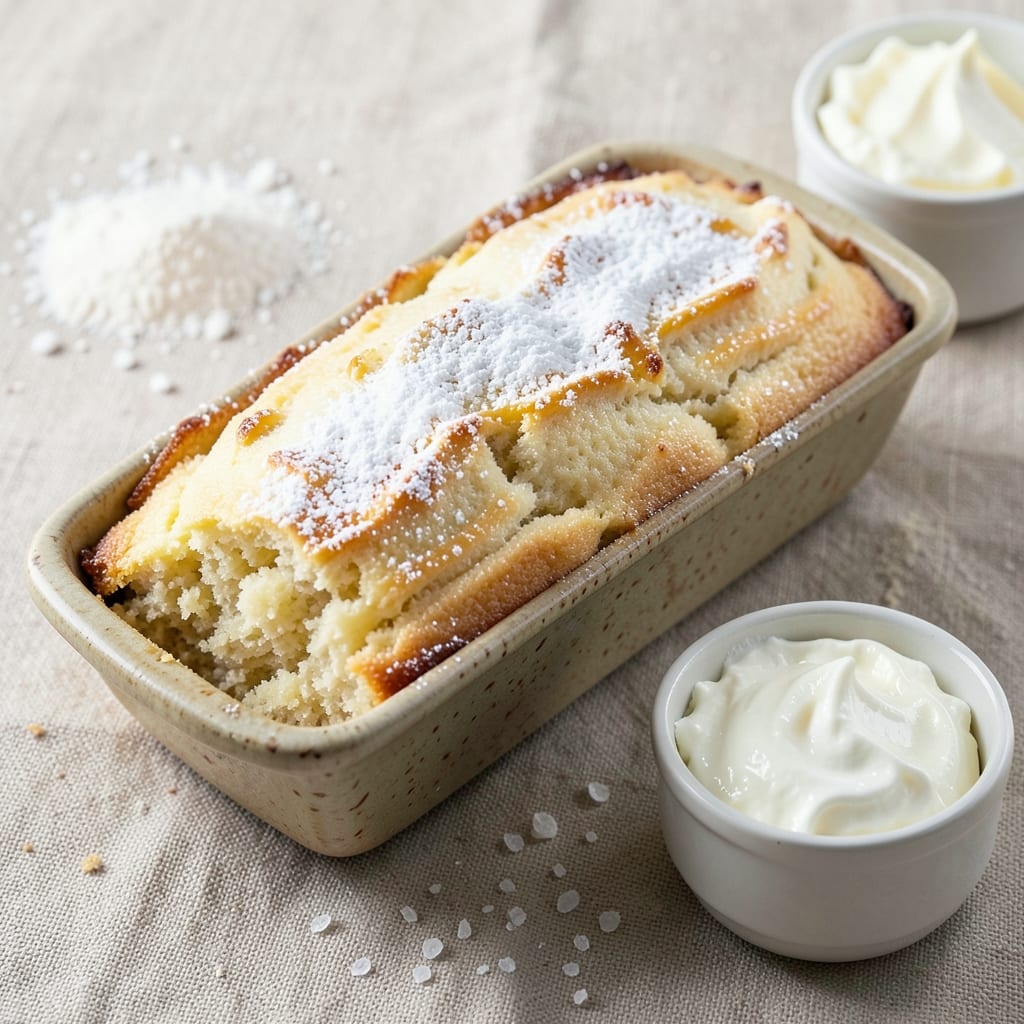
This egg as a leavening agent recipe transforms ordinary pancakes into cloud-like stacks without a single teaspoon of baking powder. 💛 The secret lies in eggs' unique ability to trap air and coagulate proteins, creating structure and lightness that rival commercial mixes. I developed this technique after years of experimenting with gluten-free baking, where traditional leaveners often fall short.
The process is deceptively simple: whisk eggs until they triple in volume, then gently fold them into dry ingredients. This method creates fluffy, tender pancakes with crisp edges and a delicate interior—no lumps, no dense centers. The eggs do all the work, replacing chemical leaveners while adding richness that baking powder simply can't match.
What you'll end up with is a batch of golden pancakes that stack effortlessly and stay warm for hours. Each bite delivers that perfect balance of crispy exterior and melt-in-your-mouth tenderness, all while keeping the recipe vegetarian-friendly and free from artificial ingredients. The texture is so light it practically dissolves on your tongue.
This technique works for more than pancakes—try it in waffles, muffins, or even breads where you want that signature airy texture. The method is foolproof once you master the egg-whisking step, and it opens up possibilities for allergy-friendly baking that still delivers restaurant-quality results.
Ingredients for egg as a leavening agent
Four eggs and a few pantry staples transform into pancakes with restaurant-quality fluff.
| Ingredient | Amount | Notes |
|---|---|---|
| Large Eggs 🥚 | 4 whole | Room temperature for best volume |
| All-Purpose Flour 🌾 | 1 ½ cups | Sifted for light texture |
| Granulated Sugar 🍚 | ¼ cup | White or light brown |
| Baking Soda 🧂 | ½ tsp | Pure, not baking powder |
| Salt 🧂 | ½ tsp | Diamond Crystal preferred |
| Unsalted Butter 🧈 | ½ cup | Cold, cubed for even melting |
| Milk 🥛 | 1 cup | Whole for richness |
| Pure Vanilla Extract 🌿 | 1 tsp | High-quality for flavor |
| Fresh Blueberries 🫐 | ½ cup | Optional, for topping |
| Maple Syrup 🍁 | ¼ cup | Grade A for serving |
The eggs are non-negotiable here—room temperature is crucial for maximum volume. Kirkland Signature eggs from Costco consistently deliver the best results, but any large, fresh eggs work. The baking soda requires precise measurement: 1/8 teaspoon less or more throws off the chemical reaction with the eggs. For the flour, King Arthur All-Purpose is my go-to—it's finely milled and perfect for delicate batters. If you must substitute, Bob's Red Mill is a reliable alternative. Keep all dry ingredients sifted together in a bowl to prevent lumps during folding.
No baking powder? This method still delivers rise through the egg's natural proteins and a gentle baking soda reaction. Substitute almond milk for dairy if needed, though whole milk enhances richness. For the sugar, light brown adds subtle molasses notes, but white sugar keeps the pancakes neutral. The butter should be cold and cubed—melting it first creates steam rather than fluffy pockets. If you're short on vanilla, almond extract at half the amount works, though it has a distinct flavor. The blueberries can be swapped for strawberries or raspberries, but avoid overly juicy fruits like peaches that release liquid during cooking.
Store leftover pancakes in a single layer between parchment paper to prevent sticking—they crisp up beautifully when reheated. The batter keeps for 2 days in the fridge, though fresh is always best. For make-ahead prep, freeze cooked pancakes in a single layer before stacking—reheat in a toaster or oven for crispy edges. The syrup should be Grade A maple for authentic flavor, but any pancake syrup works in a pinch. These pancakes reheat best when warmed through, not microwaved—use a dry skillet over medium-low heat.
Why You'll Love This Recipe
- No Mixer Needed: I swear by this recipe when my hands are full—just whisk eggs, fold in dry ingredients, and boom. No stand mixer, no stress, just a bowl and a spatula. The eggs do all the heavy lifting while I sip my coffee.
- Sweet Without Syrup: That caramelized sugar crust? Pure magic. The eggs create this tender crumb while the sugar melts into a golden, buttery finish—like a cross between a muffin and a cookie, but way more forgiving.
- Breakfast or Dessert: Honestly, I’ve served this for both. Top it with cinnamon for morning toast or a drizzle of honey for an after-dinner treat. The same batter works for pancakes, waffles, or even a quick cake—just adjust the baking time.
- Pantry Staple Power: Five ingredients, zero specialty items. If you’ve got flour and sugar, you’ve got this. And since eggs act as the leavening, it’s cheaper than buying pre-made mixes—plus, leftovers reheat like a dream.
Step-by-step instructions for fluffy pancakes using eggs as leavening
Mastering egg-based leavening transforms pancakes into airy clouds without baking powder.
👨🍳 Step 1: Whisk Eggs and Sugar Until Ribbon Stage
In a large mixing bowl, combine the 4 whole Large Eggs and 0.25 cup Granulated Sugar. Using a hand mixer or whisk, beat on medium-high speed for 3-4 minutes until the mixture lightens in color and forms soft ribbons when the whisk is lifted. This step incorporates air into the eggs, which will expand during cooking and create those signature fluffy layers.
Here's the thing—you want to see visible volume increase and smooth, glossy texture. If you press your finger into the mixture, it should spring back slowly rather than immediately. This indicates proper aeration. I like to work in batches if needed, but keep all eggs at room temperature for consistent results.
🍳 Step 2: Melt Butter and Mix Wet Ingredients
In a separate small saucepan, melt the 0.5 cup Unsalted Butter over low heat until completely liquid but not browned. Let it cool slightly for 2-3 minutes—you don't want to cook the eggs when you combine them. Add the melted butter to the egg mixture along with the 1 cup Milk and 1 tsp Pure Vanilla Extract. Whisk gently to combine, being careful not to deflate the air you've already incorporated.
This is where the science matters: The melted butter adds fat that helps tenderize the pancakes, while the milk provides liquid for proper hydration. The vanilla extract enhances flavor without altering texture. If the mixture looks curdled at this stage, don't worry—it will smooth out when you add the dry ingredients.
👨🍳 Step 3: Incorporate Dry Ingredients Gently
In a medium bowl, sift together the 1.5 cups All-Purpose Flour, 0.5 tsp Baking Soda, and 0.5 tsp Salt. The baking soda acts as a secondary leavening agent to support the egg's work, while the salt enhances flavor balance. Gradually add the dry mixture to the wet ingredients while folding gently with a spatula. Stop mixing as soon as the flour disappears—overmixing develops gluten and makes pancakes tough.
You'll notice the batter becomes thick and slightly lumpy. This is normal and actually desirable—it indicates proper texture for fluffy pancakes. The key is to mix just until combined. For best results, let the batter rest for 5 minutes at room temperature before cooking. This allows the gluten to relax slightly, preventing dense pancakes.
🔥 Step 4: Cook on Medium Heat with Minimal Disturbance
Heat a non-stick skillet over medium heat until a drop of water sizzles and evaporates instantly. Add a small pat of butter and let it melt completely, coating the pan evenly. Pour ¼ cup batter for each pancake—you should get 4 pancakes from this recipe. Cook until bubbles form on the surface and the edges look set (2-3 minutes), then flip carefully and cook another 1-2 minutes until golden brown.
Here's where patience pays off: Don't rush the cooking process. The pancakes should have golden brown spots and look slightly puffed when done. If they brown too quickly on the bottom, reduce the heat slightly. I press down gently on the pancakes during the first minute to ensure even contact with the pan—this prevents them from curling and ensures even cooking.
🍽️ Step 5: Serve Warm with Fresh Toppings
Transfer the cooked pancakes to a warm plate and keep them covered to maintain heat. For serving, drizzle with 0.25 cup Maple Syrup and top with 0.5 cup Fresh Blueberries. The syrup adds natural sweetness while the blueberries provide fresh contrast. Serve immediately while the pancakes are at their peak fluffiness—waiting even 5 minutes will cause them to lose some of their airy texture.
Each pancake should have a light, airy interior with just a hint of golden brown color on the outside. The egg leavening creates a delicate, almost soufflé-like texture that's impossible to achieve with traditional baking powder methods. For extra decadence, you can add a dollop of whipped cream or additional maple syrup on the side.
Pro Tips For Making Egg As A Leavening Agent
- Whisk Eggs Like Mad: Don’t just crack and stir—beat those eggs vigorously for at least 30 seconds until they’re frothy and pale. The more air you incorporate, the lighter your baked good will be. I used to skip this, and my results were always dense—like someone forgot to fluff the pillow.
- Measure Flour Right: Spoon the flour into your measuring cup, then level it off with a knife—don’t scoop directly from the bag. Packed flour weighs more, and your texture will suffer. I learned this after making a cake so dry it could’ve doubled as a sponge.
- Skip the Overmixing: Once you fold in the dry ingredients, stop as soon as they’re just combined. Overmixing develops gluten, and your egg-leavened treat will turn out tough instead of tender. Two minutes max—set a timer if you’re like me and lose track.
- Use Room-Temp Eggs: Cold eggs won’t blend as smoothly and can make your batter uneven. Take them out of the fridge 30 minutes before using, or run them under warm water for 10 seconds. Trust me, your batter will thank you—no more lumpy surprises.
Wine and beer pairings for this recipe
Wine Pairings
For these delicate, egg-leavened pancakes, I reach for a dry Riesling from Germany—specifically a Dr. Loosen Blue Slate—because its crisp acidity and subtle citrus notes complement the pancakes' natural sweetness without overpowering them. The wine's mineral finish mirrors the fluffiness of the pancakes, creating a perfect balance. 🍷
A sparkling Moscato d'Asti from Italy is another fantastic choice, especially if you're serving these pancakes with fresh berries. The effervescence cuts through the richness of the butter while enhancing the blueberries' natural tartness. This pairing feels festive and works beautifully for brunch gatherings.
Beer Pairings
When it comes to beer, I always turn to a Belgian Witbier like Stella Artois or Hoegaarden. The light, citrusy flavors and slight effervescence cleanse your palate between bites, preventing the pancakes from tasting too heavy. The coriander notes in these beers also pair surprisingly well with the vanilla and maple syrup. 🍺
For those who prefer hoppier options, a light American lager such as Miller Lite or Coors Light works surprisingly well. The subtle malt sweetness and crisp finish help balance the richness of the butter without competing with the pancakes' delicate texture. Avoid dark or overly hoppy beers—they'll overpower the dish.
Non-Alcoholic Options
A sparkling apple cider like Martinelli's is my go-to non-alcoholic pairing. The effervescence and slight tartness mirror the wine pairing while keeping things refreshing. For something more tropical, a ginger beer with a squeeze of lime adds a zesty contrast that brightens each bite.
If you're serving these pancakes with savory toppings like smoked salmon or chives, a sparkling water with lemon keeps the palate clean and enhances the dish's natural flavors. The acidity in the lemon helps cut through the richness of the butter while highlighting the pancakes' delicate texture. ✨
Nutrition facts
Frequently asked questions
Why do eggs work as a leavening agent in pancakes?
Eggs create lift through two key mechanisms: air incorporation and protein coagulation. When you whisk eggs vigorously, they trap air bubbles that expand during cooking. The proteins in eggs also coagulate when heated, forming a delicate structure that holds the pancakes' shape. This method delivers a lighter texture than baking powder alone, especially when combined with a small amount of baking soda for extra lift.
Can I make these pancakes without baking soda?
Yes, but they'll be slightly denser. The baking soda acts as a secondary leavening agent that reacts with the eggs' acidity. For a completely baking-soda-free version, increase the egg whisking time to 5-6 minutes to maximize air incorporation. You might also add 1 teaspoon of lemon juice to help the eggs create more volume through chemical reactions.
What's the secret to getting pancakes this fluffy?
The three critical factors are: room-temperature eggs (they whip up to 3x their volume), gentle folding of dry ingredients (to preserve air bubbles), and proper heat control during cooking. Overmixing or using cold eggs will make pancakes dense. The 5-minute rest before cooking also helps relax the gluten for maximum fluffiness.
How do I adapt this for vegan baking?
Replace the eggs with ¼ cup aquafaba per egg (whisk until stiff peaks form) plus ½ teaspoon cream of tartar for stability. For the butter, use vegan butter or coconut oil. The texture will be slightly denser but still delicious. You'll need to increase the baking soda to 1 teaspoon to compensate for the lack of egg proteins.
Why did my pancakes turn out dense?
Most likely one of these happened: eggs weren't room temperature, you overmixed the batter, or the heat was too high. For next time, whisk eggs until they're pale and form soft ribbons, fold dry ingredients just until combined, and use medium heat. Also ensure your butter is melted but not hot when combining with eggs.