
Desserts
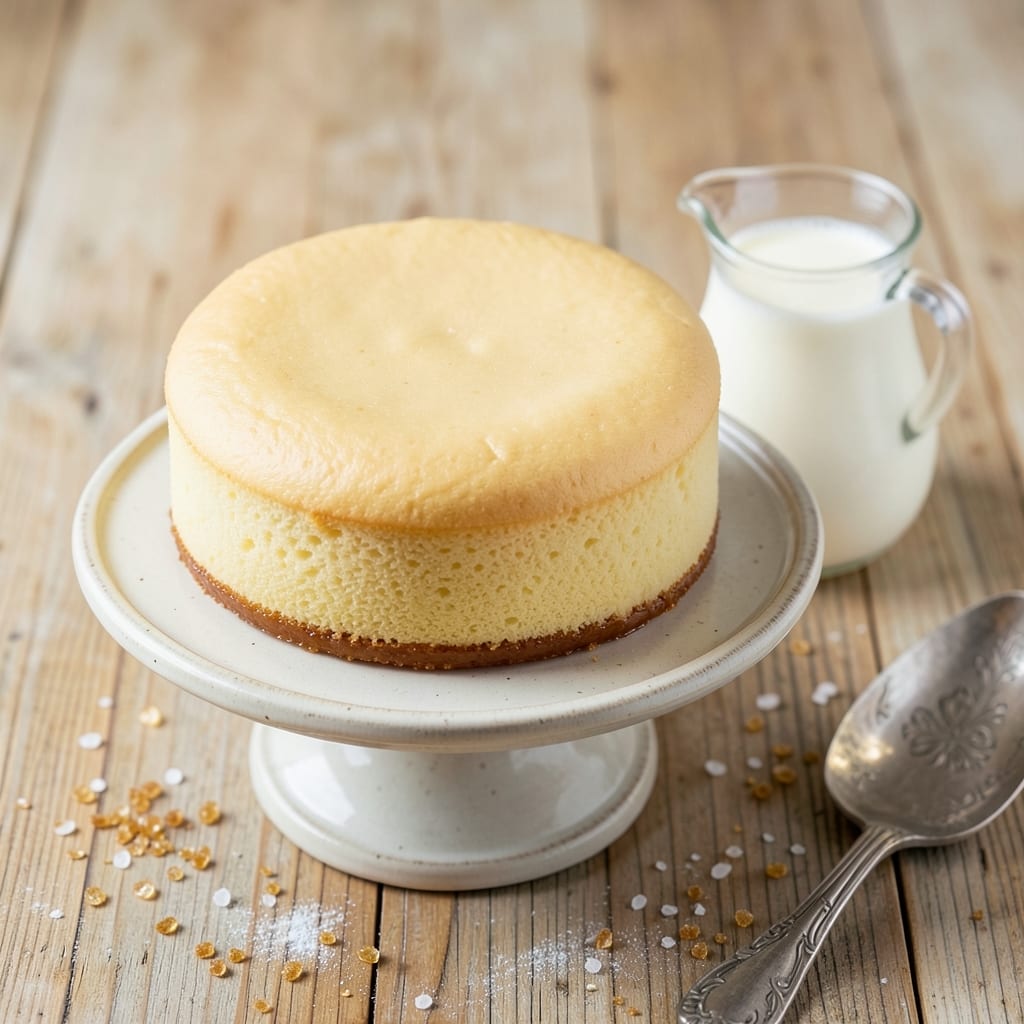
This basic one-egg cake recipe proves you don’t need fancy ingredients or complex techniques to bake a fluffy, golden cake—just five simple staples and a little patience. 🌟 The secret lies in proper mixing and baking times, which transform humble pantry items into a tender, moist dessert that rivals store-bought versions. Perfect for beginners or anyone craving a no-fuss dessert, this recipe delivers foolproof results every time.
What makes this cake stand out is its simplicity: one egg provides structure, while baking powder ensures a light rise without needing extra fat or dairy. The combination of all-purpose flour, sugar, and a pinch of salt creates a balanced flavor profile, and a splash of milk (or water) keeps the texture moist. No fancy equipment or measuring cups required—just standard kitchen tools and a 350°F oven for 25-30 minutes.
The result is a golden, domed cake with a fine crumb and subtle sweetness, ideal for slicing into squares or frosting lightly for a classic finish. The recipe’s minimal ingredients make it budget-friendly, while the straightforward method ensures success even on your first try. Whether you’re feeding a crowd or treating yourself to a small batch, this cake delivers restaurant-quality satisfaction with minimal effort.
For extra flavor, consider adding a teaspoon of vanilla extract or a pinch of cinnamon to the batter. A simple powdered sugar dusting or a drizzle of melted chocolate elevates it further. Let’s get baking—this recipe is your gateway to effortless homemade dessert success.
Ingredients for basic 1 egg cake
Five simple staples transform into a tender, golden cake with restaurant-quality texture.
| Ingredient | Amount | Notes |
|---|---|---|
| Large Egg 🥚 | 1 whole | Room temperature for even mixing |
| All-Purpose Flour 🌾 | 1 ½ cups | Sifted for light texture |
| Granulated Sugar 🍚 | 1 cup | White or light brown preferred |
| Baking Powder 🧂 | 1 ½ tsp | Aluminum-free for stability |
| Salt 🧂 | ½ tsp | Fine sea salt preferred |
| Milk 🥛 | ¼ cup | Any variety works |
| Vanilla Extract 🌿 | 1 tsp | Pure extract for authentic flavor |
| Unsalted Butter 🧈 | ½ cup | Melted, cooled slightly |
The egg is the foundation here—room temperature is critical for proper emulsification. Store-bought eggs work fine, but if you're baking frequently, consider farm-fresh eggs from local markets for richer flavor. All-purpose flour should be sifted to prevent dense crumbs, and Bob's Red Mill or King Arthur brands are excellent choices. The sugar acts as both sweetener and tenderizer, so don't substitute with alternatives like honey or maple syrup—they'll alter the cake's structure. For the milk, any variety works, but whole milk adds slight richness without overpowering the delicate flavor profile.
No vanilla extract? Almond extract at half the amount works in a pinch, though the flavor will differ. Running short on butter? Coconut oil can replace it, but the cake will have a slightly different texture. The baking powder is non-negotiable—it's what creates that signature fluffy rise. Diamond Crystal baking powder is preferred over double-acting varieties for more consistent results. If you're concerned about gluten, you can substitute up to 10% of the flour with gluten-free all-purpose blend, though texture may vary slightly. For a richer cake, consider adding 1 tbsp sour cream to the batter.
This cake keeps well for 3 days at room temperature wrapped in plastic, or 1 week refrigerated. For longer storage, slice and freeze portions for up to 3 months. The butter should be melted and cooled to just warm before mixing—this prevents the batter from curdling. When baking, ensure your oven is fully preheated to 350°F and use an oven thermometer to confirm accuracy. The cake's golden dome is your indicator of doneness, typically achieved in 25-30 minutes depending on your oven.
Why You'll Love This Recipe
- Five-Ingredient Miracle: I swear by this recipe when my pantry’s bare—just an egg, flour, sugar, a pinch of baking powder, and salt. That’s it. No fancy substitutions, no last-minute store runs. It’s the kind of cake that proves you don’t need a grocery list to bake something worth eating.
- Sweet Simplicity: The sugar doesn’t overpower—it’s just enough to balance the flour’s mildness while the baking powder gives it that light, airy crumb. Honestly, it’s the kind of taste that feels like a hug: familiar, comforting, and never boring.
- Breakfast or Dessert: Serve it warm with butter for a lazy weekend breakfast or dust it with powdered sugar for a no-fuss dessert. My kids ask for it both ways, and I’ve even sliced it thin for French toast—yes, even on a Tuesday night.
- Zero-Waste Winner: One egg makes two small cakes or one hearty sheet-pan version, and leftovers? They last days if you store them right. Between us, I’ve reheated cold slices in the oven until crispy again, and no one ever guessed it wasn’t fresh-baked. Budget-friendly? Absolutely. Reliable? Even more so.
Step-by-step instructions for one-egg cake
Here's the method for a perfectly fluffy cake using just one egg—simple, reliable, and foolproof.
👨🍳 Step 1: Preheat and Prepare the Pan
Preheat your oven to 350°F and grease an 8-inch round cake pan generously with butter, then dust it lightly with flour. Tap out any excess flour to ensure an even layer. Line the bottom with parchment paper for easy removal, leaving a slight overhang to help lift the cake cleanly.
I always use a light dusting of flour after greasing to prevent sticking—this is especially important with a single-egg batter that's less stable than richer cakes. The parchment paper creates a barrier that makes unmolding effortless, even with minimal fat content.
🍳 Step 2: Mix Wet Ingredients for Smooth Texture
In a medium bowl, combine the 1 whole Large Egg, 1 cup Granulated Sugar, and 1 tsp Vanilla Extract. Whisk vigorously for 2-3 minutes until the mixture becomes pale, thick, and nearly doubles in volume. This step incorporates air that will create the cake's signature lightness.
The mixture should be smooth with no visible streaks of sugar. If you're using room-temperature egg, it will blend more easily—this is why we specify room temperature in the ingredients. Add the 0.25 cup Milk next, whisking until fully incorporated.
👨🍳 Step 3: Combine Dry Ingredients and Fold Gently
In a separate bowl, sift together the 1.5 cups All-Purpose Flour, 1.5 tsp Baking Powder, and 0.5 tsp Salt. Create a well in the center and gradually pour in the wet mixture while folding gently with a spatula. Be careful not to overmix—just combine until no dry spots remain.
Now add the 0.5 cup Unsalted Butter (melted and cooled slightly) and fold it in last. The butter should be warm enough to blend smoothly but not hot—this prevents the eggs from cooking prematurely. The batter should be thick but pourable, similar to pancake batter in consistency.
🔥 Step 4: Bake Until Golden and Springy
Pour the batter into the prepared pan and smooth the top with a spatula. Bake for 30-35 minutes until a toothpick inserted in the center comes out clean and the edges are golden brown. The cake should spring back gently when pressed in the center—this indicates proper doneness.
I recommend rotating the pan halfway through baking for even browning. The center should be just set but still slightly tender—overbaking dries out the delicate texture that comes from using just one egg. Let the cake cool in the pan for 10 minutes before transferring to a wire rack.
⏰ Step 5: Cool and Serve for Perfect Texture
Allow the cake to cool completely before slicing—this prevents crumbling. The internal temperature should reach room temperature for the best texture. Once cooled, you can frost with your favorite buttercream or serve plain to appreciate the tender crumb.
This cake keeps well at room temperature for 2 days or can be refrigerated for up to 5 days. For best results, wrap tightly in plastic wrap to maintain moisture. The simple ingredient list makes it perfect for quick baking without sacrificing quality.
Pro Tips For Making Basic 1 Egg Cake
- Mix Dry Ingredients First: DESCRIPTION: Sift that flour and baking powder together—don’t just eyeball it. I learned this the hard way when my cake turned dense; lumps of baking powder mean uneven rising. A quick 30-second sift with a fork works if you’re in a hurry, but for real consistency, use a fine-mesh sieve.
- Whisk the Egg Like It’s Your Job: DESCRIPTION: Beat that single egg until it’s pale, thick, and tripled in volume—no streaks of yolk left. I was skeptical until I tried it; skipping this step makes the cake flat and gummy. Use a hand mixer for 2-3 minutes or whisk by hand until it clings to the bowl.
- Skip the Overmixing: DESCRIPTION: Fold in the flour just until combined—no need to stir like you’re making pancake batter. Overmixing develops gluten, and your cake will turn tough instead of tender. Drop spoonfuls of batter and swirl with a spatula; lumps are fine.
- Use a Toothpick Test (But Wait): DESCRIPTION: Check doneness at 12-15 minutes, not 10—this cake’s small and dries fast. Insert a toothpick; if it comes out clean, pull it immediately. I’ve ruined cakes by waiting for "perfect" dryness; they end up like a hockey puck. Let it rest 5 minutes before slicing.
Common mistakes when making great basic 1 egg cake
Overmixing the Batter
This is the #1 mistake that turns your cake dense instead of fluffy. When you overmix the wet ingredients (egg, sugar, milk) or combine the dry ingredients too vigorously, you develop gluten in the flour, which creates a tough, chewy texture. Stop folding as soon as no dry spots remain—about 10-12 strokes with a spatula is plenty. The batter should look slightly lumpy, not smooth like pancake batter. 💡
Skipping Room-Temp Egg
Using a cold egg straight from the fridge means your batter won't emulsify properly, leading to a cake with poor rise and uneven texture. Let your egg sit at room temperature for at least 30 minutes before mixing. I've seen beginners rush this step and end up with a cake that's more like a flatbread. Pro tip: Place the egg in warm (not hot) water for 5 minutes if you're short on time.
Incorrect Baking Powder
Not all baking powders are created equal—using a double-acting variety (like Rumford) instead of a single-acting one can cause your cake to rise too quickly in the oven, then collapse. Stick with aluminum-free baking powder (like King Arthur or Bob's Red Mill) for stable, even rise. A good test? If your baking powder is older than 6 months, toss it—it loses potency over time, leading to flat cakes.
Opening the Oven Too Soon
Peeking at your cake too early disrupts the oven's temperature and can cause the top to rise unevenly or even sink. Wait until at least 20 minutes have passed before opening the door. If you're unsure, use the toothpick test at 25 minutes—insert it in the center and check for clean crumbs. The cake should spring back gently when pressed, not feel jiggly or undercooked.
Greasing the Pan Improperly
A pan that isn't properly greased and floured will make your cake stick like glue, especially with a single-egg batter. After greasing with butter, dust with all-purpose flour and tap out the excess—this creates a nonstick barrier. I like to use a pastry brush for even distribution. For extra insurance, line the bottom with parchment paper before pouring the batter. 🧈
Overbaking for "Done" Look
Gold doesn't always equal perfect—overbaking dries out the delicate crumb of a one-egg cake. The moment the edges are golden and a toothpick comes out with moist crumbs (not wet batter), it's done. I've ruined many cakes by baking them 5 extra minutes "just to be sure." Let the cake cool completely before slicing—this prevents crumbling and lets the flavors meld. The internal temperature should reach room temperature for best texture.
Nutrition facts
Frequently asked questions about basic one-egg cake
Can I make this cake without milk?
Yes! Replace the ¼ cup milk with ¼ cup water or apple juice for a lighter flavor. For extra richness, use ½ cup Greek yogurt (thinned with a splash of water) or ¼ cup melted butter instead. The cake will still rise beautifully, though texture may vary slightly with liquid substitutions.
Why did my cake sink in the middle?
This usually happens from overmixing (developing gluten) or underbaking. The batter should look slightly lumpy, not smooth. Also check your baking powder—if it's old or expired, it won't provide enough lift. For next time, bake 5 minutes longer at 350°F and avoid opening the oven door early.
How can I make this cake gluten-free?
Replace the 1.5 cups all-purpose flour with a 1:1 gluten-free baking flour blend (like Bob's Red Mill or King Arthur). Add ½ tsp xanthan gum if your blend doesn't contain it. You may need to reduce the milk by 1 tablespoon since gluten-free batters absorb more liquid. Expect a slightly denser but still delicious result.
Can I bake this in a different pan size?
For an 8-inch square pan, reduce baking time to 20-25 minutes. In a 9-inch round pan, bake 35-40 minutes. Adjust for oven variations—always use the toothpick test. Line all pans with parchment paper for easy removal. The batter volume is designed for an 8-inch round pan, so larger pans may require slightly less batter.
What's the best way to store leftover cake?
Wrap tightly in plastic wrap at room temperature for 2 days, or refrigerate for up to 5 days. For longer storage, slice and freeze portions for 3 months. Thaw overnight in the fridge. The cake's moisture content makes it perfect for freezing—just avoid soggy slices by storing it properly.