
Breakfast & Brunch
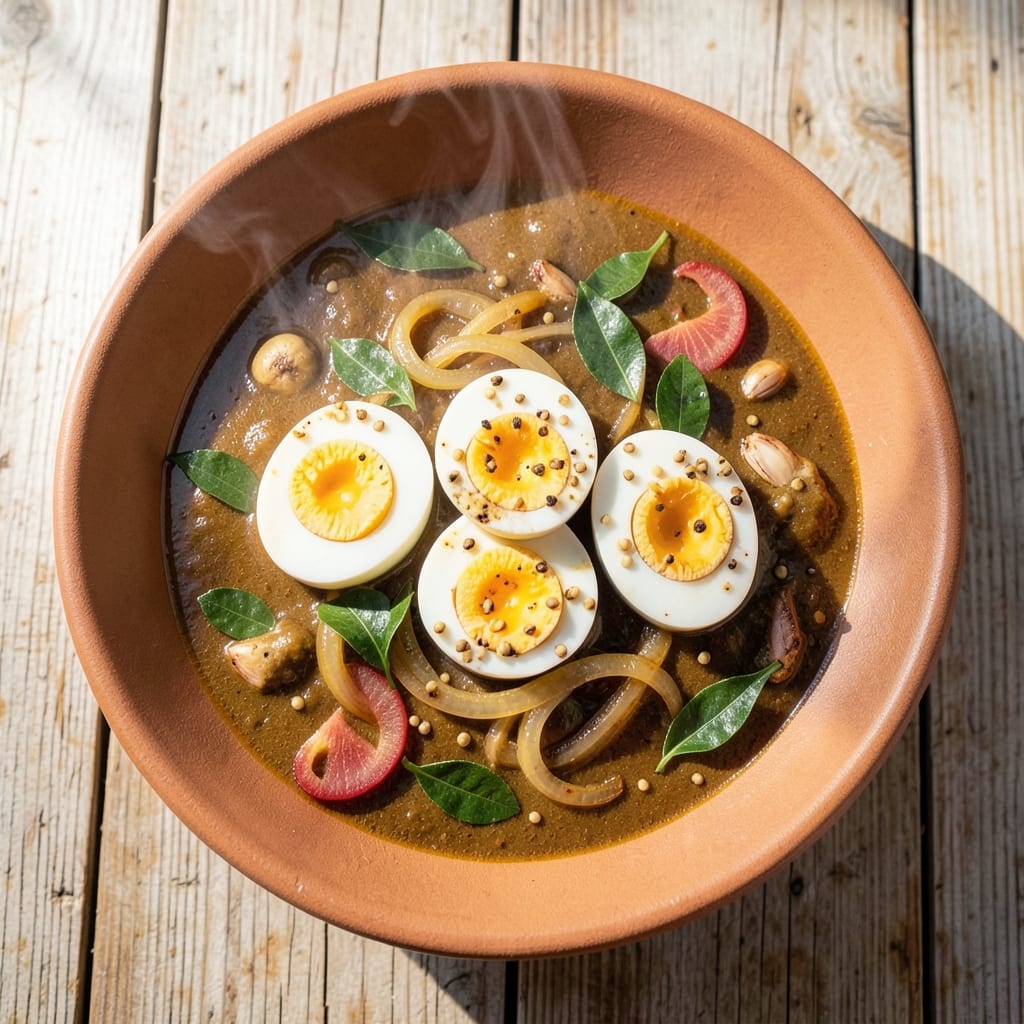
This boiled egg curry recipe transforms humble hard-boiled eggs into a luxurious, silky dish where golden yolks melt into fragrant coconut broth. 🌟 The secret lies in balancing spices and coconut milk to create a velvety sauce that perfectly coats each tender egg, delivering rich, aromatic bites with every spoonful. What makes this dish special is how simple ingredients—like mustard seeds, curry leaves, and fresh ginger—elevate the flavor profile without overwhelming the delicate eggs.
The recipe begins with a fragrant spice base of onions, garlic, and ginger, slowly caramelized before adding tomatoes and coconut milk. The eggs are boiled just until the yolks remain runny, ensuring they create dramatic, creamy streaks in the curry. This method guarantees a harmonious blend of textures—crisp edges on the eggs, tender centers, and a luxurious, spiced coconut sauce that clings effortlessly.
What you’ll achieve is a dish that’s both comforting and sophisticated, perfect for brunch or a light dinner. The silky yolk streaks contrast beautifully with the aromatic spices, while the coconut milk adds a subtle sweetness that balances the heat. Serve it with steamed basmati rice or warm naan to soak up every last drop of that velvety sauce.
This recipe is designed to be foolproof, with clear techniques for achieving the ideal texture and flavor balance. Whether you're a seasoned cook or a beginner, the step-by-step instructions will guide you to a restaurant-quality result that’s impossible to resist. Let’s get started!
Ingredients for boiled egg curry
Simple ingredients elevate to restaurant-quality egg curry with velvety coconut sauce and dramatic yolk streaks.
| Ingredient | Amount | Notes |
|---|---|---|
| Large Eggs 🥚 | 8 whole | Hard-boiled with runny yolks |
| Yellow Onions 🧅 | 1 medium | Finely chopped, about 1 cup |
| Fresh Ginger 🌿 | 1 ½ tbsp | Grated, aromatic quality |
| Garlic Cloves 🧄 | 4 cloves | Minced, fresh preferred |
| Curry Leaves 🌿 | ¼ cup | Fresh, dried at 1/4 amount |
| Mustard Seeds 🌶️ | 1 tsp | Whole, yellow or brown |
| Coconut Milk 🥥 | 1 can (13.5 oz) | Full-fat for creaminess |
| Tomatoes 🍅 | 2 medium | Ripe, diced or crushed |
| Green Chilies 🌶️ | 2 whole | Slit lengthwise, adjust to taste |
| Ground Turmeric 🌿 | ½ tsp | Freshly ground preferred |
| Ground Cumin 🌿 | ½ tsp | Toasted for deeper flavor |
| Ground Coriander 🌿 | ½ tsp | Freshly ground preferred |
| Garam Masala 🌶️ | 1 tsp | Freshly toasted blend |
| Salt 🧂 | 1 tsp | Adjust to taste |
| Fresh Cilantro 🌿 | ¼ cup | Chopped, for garnish |
Curry leaves are non-negotiable for that authentic aroma—Indian grocery stores carry fresh bundles, or use dried at one-quarter the amount. The mustard seeds should sizzle audibly when toasted; if they burn, reduce heat immediately. For ginger, organic from the produce section has the best zing, but peel and grate whatever you have. The coconut milk must be full-fat; Thai Kitchen brand is reliable, but any canned full-fat works. Green chilies add heat—remove seeds for mild, keep for spicy.
No curry leaves? Substitute 1/4 tsp dried curry powder, though it won’t be identical. Fresh ginger too pungent? Use 1 tbsp ground ginger (but fresh is always better). Coconut milk too thick? Thin with 2 tbsp water or vegetable broth. The eggs must be boiled exactly 6 minutes for runny yolks—test one first. For extra richness, stir in 1 tbsp cashew cream at the end. The tomatoes can be canned (drained) in a pinch, but fresh brings brighter acidity.
Hard-boiled eggs keep 5 days in the fridge; curry reheats beautifully. Garnish with cilantro right before serving—it wilts fast. Store leftovers in an airtight container with a thin layer of oil on top to preserve freshness. This curry freezes for 3 months—portion into single servings for easy reheating. The sauce thickens as it cools, so add a splash of water when reheating if needed.
Why You'll Love This Recipe
- Pantry-to-Table Speed: I swear by this recipe when I’m starving but lazy—just boil eggs ahead, then toss them into a simmering onion-ginger base with curry leaves. Ten minutes later, dinner’s ready. The eggs stay tender, the spices meld fast, and I’m not burning toast while waiting for a full curry to cook.
- Umami Bomb: That first bite? The crisp edges of the boiled eggs soak up the caramelized onions and garlic, while the curry leaves add a bright, almost citrusy punch. Honestly, the flavor is richer than most scrambled egg dishes I’ve tried—it’s like a hug for my taste buds.
- Lunchbox Hero: Between us, this is my go-to for packed lunches. The eggs hold up for days in the fridge, and I just reheat them with a splash of water—no soggy textures, just that perfect balance of creamy and spiced. My kids (yes, even the picky one) actually finish it.
- Budget Magic: Eggs are cheap, onions last forever, and a little ginger/garlic goes a long way. I make this twice a week and never stress about groceries. Plus, leftovers taste just as good cold—ideal for when I’m too tired to cook but still need a proper meal.
Step-by-step instructions for silky yolk-streaked egg curry
This method delivers perfectly hard-boiled eggs with runny yolks and a fragrant coconut broth.
🍳 Step 1: Prepare the Spiced Base
Heat 1 tablespoon neutral oil in a heavy-bottomed pot over medium heat. Add the 1 teaspoon mustard seeds and let them sizzle for 30 seconds until they pop and turn golden. This is your flavor anchor—don't rush this step or the seeds will burn.
Next, add the 1 medium yellow onion and 1.5 tablespoons fresh ginger. Sauté for 4-5 minutes until the onions soften and turn translucent. You'll smell the ginger's bright aroma developing—this is when you know it's ready. Add the 4 cloves garlic cloves and cook for another 30 seconds until fragrant but not browned.
🍳 Step 2: Build the Curry Broth
Stir in the 0.5 teaspoon ground turmeric, 0.5 teaspoon ground cumin, and 0.5 teaspoon ground coriander. Toast these spices for 30 seconds to deepen their flavors—you'll see them dance and release their aroma. Add the 0.25 cup curry leaves and 2 medium tomatoes, crushing the tomatoes slightly with your spoon.
Cook for 5-6 minutes until the tomatoes break down into a thick paste. The curry leaves should darken slightly and release their citrusy aroma. This is your flavor foundation—don't skip the cooking time or the flavors won't meld properly.
🥘 Step 3: Simmer the Coconut Milk
Pour in the 1 can (13.5 oz) coconut milk and 2 whole green chilies (slit lengthwise). Bring to a gentle simmer over medium-low heat, then reduce to the lowest setting to maintain a slow bubble. You want the milk to heat through without curdling—this usually takes 5-7 minutes.
Season with 1 teaspoon salt and 1 teaspoon garam masala. Taste the broth and adjust the salt if needed—this is your flavor checkpoint. The curry should be aromatic but not overly spicy. Keep the broth warm while you prepare the eggs.
⏰ Step 4: Add the Eggs and Finish
Gently place the 8 hard-boiled eggs (with runny yolks) into the simmering broth. You want them to float—if they sink, they're too dense. Simmer for 8-10 minutes on the lowest heat setting, just enough to warm through the eggs and infuse them with the coconut flavor.
Here's the key: the eggs should be warm but not cooked further. They'll absorb the aromatic broth while maintaining their perfect texture. Remove the eggs with a slotted spoon and arrange them on a serving platter. Ladle the fragrant coconut broth over the top.
🍽️ Step 5: Garnish and Serve
Sprinkle with 0.25 cup fresh cilantro and serve immediately with steamed basmati rice or warm naan. The contrast of the creamy coconut broth with the firm egg whites and runny yolks creates the signature texture of this dish.
Each bite should deliver the essence of the spices, the richness of the coconut, and the perfect egg texture. The curry leaves add a subtle citrus note that brightens the dish—don't skip this traditional element.
Pro Tips For Making Boiled Egg Curry
- Boil Eggs 10 Minutes: I learned this the hard way—soft-boiled eggs (9 minutes) get mushy when they hit the curry. Fully cooked eggs (10 minutes, yolks still slightly runny) hold together and soak up the flavors without falling apart. Run them under cold water right after, or the shells will peel like glue.
- Sauté Onions Slow: Yellow onions caramelize best at medium-low heat—rush it, and they’ll burn before the sweetness develops. Let them cook for 8-10 minutes until golden, stirring occasionally. This is the base of your curry; skip the hurry, or the dish will taste flat.
- Grate Ginger Fine: Fresh ginger loses its punch if it’s chunky. Use a microplane or fine grater—no, a knife isn’t enough. The curry leaves need that sharp, zesty kick, and coarse ginger just sits there. Trust me, your taste buds will notice.
- Bloom Spices First: Toss curry leaves and whole spices (if using) into hot oil for 30 seconds before adding onions. This unlocks their aroma—skip it, and you’re just heating oil with flavorless leaves. The difference is subtle but makes the whole dish sing.
Regional styles of this dish
South Indian Style
In South India, this dish often incorporates tamarind pulp and asafetida (hing) for a tangy, umami depth. I add 1 tablespoon tamarind paste when building the curry broth and a pinch of asafetida to the oil before adding onions. The eggs are typically served with steamed rice and a side of coconut chutney for dipping. This variation uses less coconut milk—just ½ can—to keep the dish lighter, balancing the richness with the bright acidity of tamarind. 🌶️
Bengali Egg Curry
Bengali egg curry swaps coconut milk for yogurt and adds mustard oil for a distinct flavor profile. I heat 2 tablespoons mustard oil until it smokes slightly (be careful—it’s pungent!) before adding the onions and ginger. The dish includes poppy seeds toasted in the oil for a nutty crunch. Instead of curry leaves, fennel seeds are used, and the eggs are often halved before adding to the curry. Serve with steamed rice and a side of lentil dal.
Sri Lankan Adaptation
Sri Lankan egg curry introduces cinnamon, cardamom, and cloves to the spice blend, creating a warm, aromatic base. I add 1 cinnamon stick, 2 cardamom pods, and 2 cloves while toasting the spices in the oil. The dish also includes grated coconut (not milk) for texture, and red onions are used for a sharper bite. The curry is finished with a touch of sugar to balance the heat, and served with hoppers (appa) or string hoppers (idiyappam). 🌟
Goan Curry
Goan egg curry is richer, with coconut milk replaced by a mix of coconut milk and cashew paste for extra creaminess. I blend 10 soaked cashews with the coconut milk for a velvety texture. The dish includes vinegar (just 1 tablespoon) to brighten the flavors and Kasuri methi (dried fenugreek leaves) for a unique aroma. The eggs are often peeled and halved before adding to the curry, and the dish is garnished with fried cashews for crunch. Serve with Goan-style bread or steamed rice.
Malaysian Twist
Malaysian egg curry incorporates lemongrass, galangal, and kaffir lime leaves for a fragrant, citrusy twist. I add 2 stalks lemongrass (bruised), 1-inch galangal (sliced), and 4 kaffir lime leaves while building the spice base. The dish uses red curry paste (store-bought or homemade) instead of ground spices, and the eggs are often marinated in a little coconut milk before adding to the curry. Serve with jasmine rice and a side of sambal for heat. ✨
Nutrition facts
Frequently asked questions
Why do the eggs need to be boiled with runny yolks?
The runny yolks create dramatic, creamy streaks when they melt into the warm curry broth—this is the signature texture of this dish! When the eggs are gently simmered in the coconut sauce, the yolks soften just enough to blend with the aromatic spices while keeping the whites firm. Overcooked yolks will turn rubbery, while undercooked ones may not fully absorb the flavors.
Can I make this curry without coconut milk?
Yes, but the texture and richness will change. For a similar creamy base, substitute with ½ cup Greek yogurt (thinned with water) or ½ cup heavy cream. For a South Indian-style version, use ½ cup tomato puree instead—just simmer it longer to develop depth. The dish will still be flavorful, though the velvety mouthfeel will be different.
How do I prevent the curry from getting too spicy?
Start with 1 green chili instead of 2, and remove the seeds before slicing. For extra mildness, skip the chilies entirely and add ½ teaspoon sugar at the end to balance any heat. Taste the broth before adding the eggs—you can always adjust with more coconut milk or a pinch of salt to mellow the flavors.
What’s the best way to reheat leftovers?
Reheat gently in a saucepan over low heat with 2 tablespoons water or coconut milk to prevent the sauce from thickening too much. Stir occasionally and keep the heat minimal—just enough to warm through (3-4 minutes). For best results, reheat only until the eggs are warm, not boiling, to preserve their texture.
Can I use store-bought curry powder instead of individual spices?
Yes, but the flavor won’t be as layered. Use 1 teaspoon mild curry powder and add ½ teaspoon turmeric separately for color. For depth, toast the curry powder in the oil for 30 seconds before adding other ingredients. The dish will still taste good, but the individual spices create a more complex, aromatic profile.