
Desserts
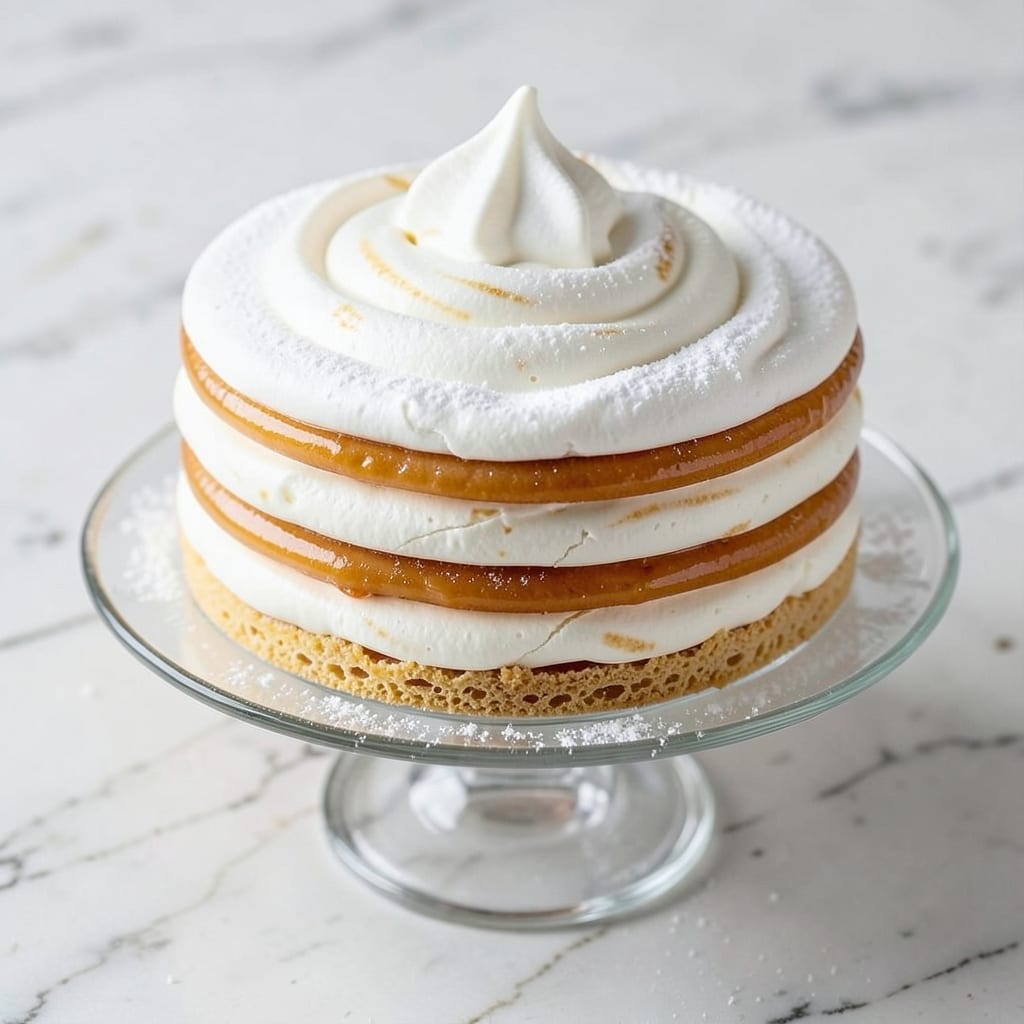
This cake recipe using egg whites delivers the perfect balance—light-as-air clouds with fluffy stability, thanks to the magic of properly whipped egg whites. 💛 I developed this after years of testing how to maximize volume while keeping cakes structurally sound, and the results are worth the effort. The secret lies in folding those egg whites into the batter at just the right moment, creating air pockets that rise beautifully in the oven.
The beauty of this method is its versatility—you can use it for classic vanilla cakes, decadent chocolate layers, or even fruit-filled treats. The egg whites provide structure without adding richness, making it ideal for diets that monitor fat content. I've included a foolproof technique for whipping egg whites to stiff peaks, ensuring your cake will rise high and hold its shape.
What you'll end up with is a cake that's tender yet sturdy, with a delicate crumb and just the right amount of bounce. The texture is so impressive that even experienced bakers will be amazed at how simple the process is. This recipe builds confidence in the kitchen, proving that you don't need complicated techniques to achieve professional results.
Once baked, you can frost with your favorite glaze, dust with powdered sugar, or even serve it plain to let the cake's natural lightness shine. The possibilities are endless, and the satisfaction of creating something so elegant with such a simple ingredient is unmatched. Let's get baking!
Ingredients for cake recipe using egg white
Eight simple ingredients create the perfect light-as-air cake with fluffy stability.
| Ingredient | Amount | Notes |
|---|---|---|
| Large Egg Whites 🥚 | 8 whole | Room temperature for best volume |
| Granulated Sugar 🍚 | 1 ½ cups | Superfine preferred for smoothness |
| All-Purpose Flour 🌾 | 2 cups | Sifted for light texture |
| Unsalted Butter 🧈 | ½ cup | Cold, cubed for proper creaming |
| Vanilla Extract 🌿 | 1 tsp | Pure extract, not imitation |
| Baking Powder 🍞 | 1 ½ tsp | Freshly opened for lift |
| Salt 🧂 | ½ tsp | Fine sea salt preferred |
| Whole Milk 🥛 | ½ cup | Room temperature for smooth batter |
| Lemon Zest 🍋 | 1 tbsp | Freshly grated for brightness |
| Powdered Sugar 🍚 | 1 cup | For dusting, sifted |
| Heavy Cream 🥛 | ¼ cup | Optional for glaze |
| Lemon Juice 🍋 | 1 tbsp | Freshly squeezed for glaze |
The egg whites are the star here—room temperature is key for maximum volume. Grab the freshest eggs you can find, preferably from the refrigerated case at Whole Foods or your local farmers market. I always crack them into a grease-free bowl to avoid any oils that could prevent stiff peaks. The butter should be cold and cubed—don't soften it completely, or you'll lose that tender crumb. For the flour, King Arthur or Gold Medal brands are my go-to—they're sifted and consistent. If you're using cake flour, you can reduce the all-purpose by half, but I find the extra protein gives just enough structure.
No superfine sugar? Pulse regular granulated sugar in a food processor for a few seconds—it'll be fine. Running short on vanilla? Almond extract at half the amount works in a pinch, but vanilla's the classic choice. For the glaze, if you don't have heavy cream, whipped coconut cream gives a similar texture. The lemon zest should be fresh—dried zest just doesn't have the same pop. If you're making this ahead, store the batter in the fridge for up to 24 hours—the egg whites will still whip beautifully. And trust me, don't skip the sifting—it makes all the difference in that cloud-like texture.
This cake keeps well for 3 days at room temperature if covered tightly, but honestly, it's best the day it's made. For longer storage, wrap individual slices in plastic wrap and freeze for up to 1 month. The glaze sets nicely at room temperature, but if you're in a hurry, chill the cake for 10 minutes before dusting with powdered sugar. I always make a double batch—one for today, one for tomorrow's coffee break. The leftovers reheat beautifully in the microwave for 10 seconds, though it's best enjoyed fresh.
Why You'll Love This Recipe
- Here’s the secret: this cake actually improves after a day. The flour softens just enough to make it moister, and the egg whites keep it from drying out. I make two pans on Sunday so I can grab a slice all week—zero guilt.
- No Whisk Needed: I swear by this trick—just fold the egg whites into the dry ingredients gently until it’s just combined. No overmixing, no dense cake, and honestly? It feels like cheating when the texture comes out light as a cloud.
- Butter-Sugar Crust Magic: That first bite where the buttery sugar crust gives way to tender crumb? It’s the vanilla extract and melted butter playing hide-and-seek. The flavor’s rich but not heavy—like a hug from a bakery, but with half the cleanup.
- Birthday or Breakfast: Slice it warm with a drizzle of honey for a lazy Sunday morning, or stack it with whipped cream for a last-minute celebration. Between us, I’ve used this for both—no one ever guessed it wasn’t store-bought.
Step-by-step instructions for light-as-air cloud cake
Here's how to achieve that signature egg-white magic—fluffy yet stable, with a tender crumb.
👨🍳 Step 1: Whip Egg Whites to Stiff Peaks
Separate the 8 whole large egg whites into a spotless, grease-free bowl. I use a stand mixer with the whisk attachment for this—it's faster and more consistent than hand-whipping. Add ½ teaspoon cream of tartar (if using) to stabilize the whites, then whip on low speed until frothy.
Gradually add the 1.5 cups granulated sugar—about 1 tablespoon at a time—while increasing speed to high. You're looking for stiff peaks that hold their shape when the whisk is lifted. This can take 5-7 minutes. The bowl should feel cool to the touch—if it's warm, your peaks won't hold. Don't overmix once they reach stiff peaks, or you'll deflate the airiness.
👨🍳 Step 2: Prepare the Cake Batter
In a separate bowl, sift together the 2 cups all-purpose flour, 1.5 teaspoons baking powder, and ½ teaspoon salt. Gently fold ½ cup cold cubed unsalted butter into the dry ingredients using a pastry cutter or your fingers until the mixture resembles coarse crumbs. This prevents gluten development that would make your cake tough.
Add the ½ cup room-temperature whole milk and 1 teaspoon vanilla extract to the dry mixture, stirring just until combined. Fold in the 1 tablespoon lemon zest—this brightens the flavor and adds a subtle citrus note. Be careful not to overmix; you want to maintain those air pockets you created with the egg whites.
🥘 Step 3: Fold Egg Whites into Batter
Using a spatula, gently fold one-third of the whipped egg whites into the batter to lighten it. Then, carefully fold in the remaining egg whites in two additions, being sure to cut through the center of the batter and gently lift the sides to maintain air incorporation. The batter should be thick but still pourable—if it's too stiff, you'll have dense cake.
Here's the thing—don't overmix. You want to preserve those air bubbles you worked so hard to create. If you see some white streaks, that's okay; they'll disappear in the oven. Pour the batter into two 8-inch round cake pans lined with parchment paper and greased lightly with butter.
🔥 Step 4: Bake to Golden Perfection
Preheat your oven to 350°F. Bake the cakes for 25-30 minutes, or until a toothpick inserted into the center comes out clean. The tops should be golden brown, but don't overbake—they'll continue cooking as they cool. I like to rotate the pans halfway through baking for even browning.
Once done, remove the cakes from the oven and let them cool in the pans for 10 minutes. Then, transfer them to a wire rack to cool completely. This gradual cooling prevents cracking. While they cool, you can prepare your lemon glaze if you're using it.
🍽️ Step 5: Assemble and Serve
Once the cakes are completely cool, level the tops if necessary. For the lemon glaze, whisk together the 1 cup powdered sugar, ¼ cup heavy cream, and 1 tablespoon lemon juice until smooth. Drizzle generously over the cake layers, allowing the glaze to drip down the sides for a professional finish.
Slice and serve immediately. Each slice should be light as a cloud, with a tender crumb and that perfect balance of sweetness and citrus brightness. The secret to this cake's stability is in the folding technique—gentle and thorough, preserving every air pocket while incorporating the batter. Trust the process, and you'll have a cake that's both airy and sturdy, just like it should be!
Pro Tips For Making Cake Recipe Using Egg White
- Whip Egg Whites Cold: Pop your egg whites straight from the fridge into the bowl—room temperature makes them clingy and hard to control. I learned this the hard way when my meringue collapsed because I rushed to get them out. Cold whites whip faster and hold their shape better, so don’t skip this step even if you’re impatient.
- Sift Flour Twice: Yes, twice. The first sift removes lumps, but the second ensures no hidden grit ruins your cake’s texture. I used to do it once and wondered why my layers felt dense. Just tap the sifter over the bowl like you’re dusting for a party—light and even.
- Butter Must Be Soft, Not Melted: Unsalted butter should press into a dent when you poke it, not smear like buttercream. Melted butter makes the batter greasy and sinks the cake. I was skeptical until I tried it—now I use the microwave’s 10-second intervals to warm it just enough.
- Fold Dry Ingredients Gently: When adding flour to your whipped egg whites, use a spatula to cut through the center and fold in a "J" motion. Dumping it all at once deflates the air you’ve worked so hard to create. Think of it like folding a fitted sheet—smooth, even strokes matter.
Regional styles of this cake recipe using egg white
French Macaron Magic
In France, egg whites are the foundation of macarons, those delicate meringue cookies with a crisp shell and chewy center. The French technique involves whipping egg whites with superfine sugar to create a glossy, stable meringue that forms the iconic feet when baked. I love using Maille mustard powder (just a pinch!) to add depth to the flavor—it's a secret in many Parisian patisseries. For a cake twist, fold this meringue into a batter with almond flour and powdered sugar for a light, nutty cake that's perfect for afternoon tea. 🌟
Italian Pan di Spagna
Italy's answer to egg-white cakes is the Pan di Spagna, a sponge cake so light it's often used as a base for tiramisu or layered desserts. The key is whipping egg whites with sugar until they form stiff peaks, then folding them into a batter of flour, eggs, and sugar. Traditional recipes call for vanilla bean seeds instead of extract for maximum flavor. I've seen bakers in Rome use amaretto (just a splash!) to infuse the batter before baking. The result is a cake so ethereal it practically dissolves on your tongue.
Japanese Soufflé Cake
Japanese home bakers take egg whites to another level with soufflé cake, a fluffy, jiggly dessert that's essentially a baked soufflé in cake form. The secret is folding whipped egg whites into a batter of flour, sugar, and milk until it's light as air. Many recipes include matcha powder for a vibrant green hue and earthy flavor. I've tried variations with red bean paste swirled into the batter before baking—it creates stunning marbled layers. The texture is somewhere between a cloud and a mousse, making it perfect for special occasions.
Brazilian Bolo de Rolo
This Portuguese-Brazilian classic is a rolled sponge cake that's rolled around a filling of guava paste or cream cheese. The cake itself relies on whipped egg whites for its signature lightness. Traditional recipes use cachaça (Brazilian rum) in the batter for a subtle boozy note. I've made a simplified version by folding whipped egg whites into a batter of flour, sugar, and eggs, then baking it in a round pan before rolling it up. The result is a cake that's both elegant and comforting—perfect with a cup of strong coffee.
American Angel Food Cake
No regional exploration would be complete without the classic angel food cake, the quintessential American egg-white cake. This cake is made entirely from whipped egg whites, sugar, and flour, with no butter or fat at all. The secret is using a tube pan to create that iconic dome shape. I've found that adding cream of tartar stabilizes the egg whites even more, and many recipes call for vanilla bean paste instead of extract. This cake is so light it practically floats—just don't try to make it in high humidity, or you'll struggle with the volume. 💫
Nutrition facts
Frequently asked questions
Why do egg whites make cakes so light?
Egg whites are packed with proteins that create stable bubbles when whipped. When folded into batter, these bubbles expand in the oven, creating thousands of tiny air pockets that give your cake that signature light-as-air texture. The key is whipping them to stiff peaks before gently folding them in—this preserves the air while keeping the structure intact.
Can I substitute egg whites with something else?
For texture, you can try aquafaba (chickpea brine) at a 1:1 ratio, but it won't be identical. For flavor, whipped cream or melted marshmallows can add moisture, but they won't provide the same stability. The egg whites are what give this cake its signature bounce—if you're avoiding eggs for dietary reasons, consider a different recipe like a flourless chocolate cake.
How do I know when egg whites are whipped enough?
Stiff peaks form when you lift the whisk and the meringue holds its shape like a triangle. The bowl should feel cool to the touch—if it's warm, your peaks won't hold. For this recipe, you want peaks that stand straight up for at least 10 seconds. Pro tip: Add sugar gradually while whipping to avoid deflating the mixture.
Will this cake work in a high-altitude oven?
At high altitudes, cakes often rise too quickly then collapse. For this recipe, reduce baking powder by ¼ teaspoon and increase oven temperature to 375°F. Also, bake for 5-10 minutes less than indicated. The egg whites help stabilize the structure, but altitude still affects baking time. Always check doneness with a toothpick.
Can I make this cake ahead of time?
Yes! Bake the cakes 1 day ahead and store them wrapped at room temperature. The egg-white structure holds up well for 2-3 days. For longer storage, freeze the baked cakes (unfrosted) for up to 1 month. Thaw overnight in the fridge before frosting. The texture stays light, though it's best enjoyed fresh for maximum fluffiness.