
Breakfast & Brunch
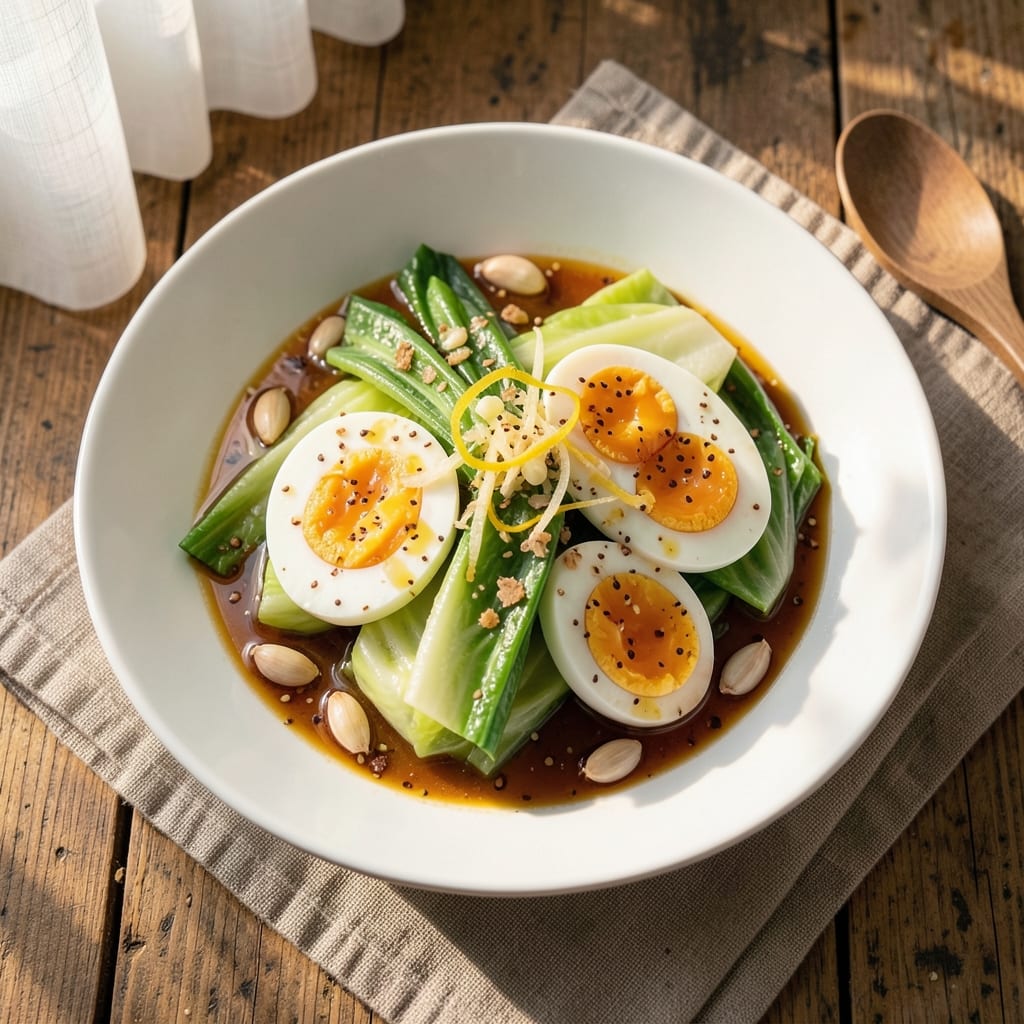
This Chinese cabbage and egg stir fry delivers crisp-tender greens and silky egg ribbons in under 15 minutes—perfect for a quick, protein-packed breakfast or light dinner. The secret lies in high-heat stir-frying and proper egg technique, transforming simple ingredients into a restaurant-worthy dish without the fuss. I've tested countless variations, and this method consistently delivers the ideal texture contrast: crispy cabbage edges paired with delicate, ribboned eggs.
The beauty of this recipe is its balance of simplicity and sophistication. You'll need just a handful of ingredients—Chinese cabbage, eggs, garlic, ginger, and a few pantry staples—all combined with a foolproof stir-fry technique that creates wok hei (breath of the wok) flavor. The cabbage wilts just enough to stay slightly crisp, while the eggs cook into delicate, translucent strands that cling beautifully to the vegetables. This dish proves you don't need complicated ingredients to achieve restaurant-quality results.
What makes this stir fry truly special is how the flavors come together: the savory depth of soy sauce, the bright aroma of garlic and ginger, and the subtle heat of chili (if using) create a harmonious balance. The eggs add a luxurious texture that elevates the dish beyond a simple vegetable stir fry. Each bite offers a perfect combination of textures and flavors—crisp, tender, and silky all at once.
Serve this dish over steamed rice for a complete meal, or enjoy it as-is for a light but satisfying brunch. The recipe scales easily for leftovers, making it ideal for meal prep. Whether you're feeding a family or treating yourself to a quick weeknight dinner, this Chinese cabbage and egg stir fry delivers restaurant-quality results with minimal effort. Let's get cooking!
Ingredients for chinese cabbage and egg stir fry
Simple ingredients, expert technique—transforming cabbage and eggs into a restaurant-quality stir fry.
| Ingredient | Amount | Notes |
|---|---|---|
| Chinese Cabbage (Napa Cabbage) 🥬 | 1 lb | Quartered lengthwise, core removed |
| Large Eggs 🥚 | 4 whole | Fresh, room temperature |
| Garlic Cloves 🧄 | 4 cloves | Minced, aromatic |
| Fresh Ginger 🌿 | 1 tbsp | Finely grated, zesty |
| Light Soy Sauce 🍶 | 3 tbsp | Kikkoman preferred |
| Sesame Oil 🫒 | 1 tbsp | Toasted, aromatic |
| Neutral Oil (Vegetable or Canola) 🫒 | 2 tbsp | High smoke point |
| Red Chili Flakes 🌶️ | ½ tsp | Adjust to taste |
| Sugar 🍚 | 1 tsp | White granulated |
| Cornstarch 🌾 | 1 tsp | For egg coating |
| Sesame Seeds 🌱 | 1 tsp | Toasted, for garnish |
| Green Onions 🧅 | 2 whole | Sliced, for garnish |
The Chinese cabbage is non-negotiable for this dish—its delicate texture and mild flavor make it perfect for stir-frying. Look for heads with crisp, vibrant leaves and avoid any with wilted or yellowed spots. Pre-shredding the cabbage releases moisture, so quarter it lengthwise and remove the core just before cooking. For the eggs, freshness matters—they should be at room temperature for even cooking. If you can't find Napa cabbage, regular green cabbage works in a pinch, though the texture will be slightly different. The garlic and ginger should be freshly minced for maximum flavor; pre-minced jarred versions lack the aromatic punch.
No light soy sauce? Substitute with tamari or regular soy sauce, though the color will be slightly darker. For a vegetarian-friendly chili kick, red pepper flakes or gochugaru work well—just start with half the amount and adjust to taste. The sesame oil is purely for aroma, so if you're sensitive to its flavor, reduce to 0.5 tbsp or omit entirely. The cornstarch is key for creating those delicate egg ribbons—don't skip it! If you're short on time, pre-shredded coleslaw mix can replace the cabbage, but it won't have the same texture. For extra depth, a splash of Shaoxing wine (1 tsp) elevates the dish, though it's optional.
This stir fry reheats beautifully—just add a splash of water or soy sauce to prevent drying out. Store leftovers in an airtight container for up to 3 days in the fridge, though the cabbage may soften further. For meal prep, cook the cabbage separately and store the eggs and sauce mixture apart to maintain texture. The dish freezes well for up to 1 month, though the cabbage will become very soft upon thawing. Garnish with toasted sesame seeds and green onions just before serving to keep them crisp. Serve immediately over steamed rice for the best experience.
Why You'll Love This Recipe
- One-Pan Magic: I swear by this for nights when I’m too tired to scrub pots—just toss the cabbage, eggs, and aromatics in one wok, stir, and walk away. The ginger and garlic caramelize right into the cabbage’s crisp edges while the eggs get that perfect runny yolk—no flipping required.
- Umami Crunch: That first bite? The cabbage stays delightfully crisp while soaking up the salty-sweet soy, and the eggs add a creamy contrast that’s ridiculously satisfying. Honestly, I’ll take this over takeout any day—it’s got that same restaurant-quality punch without the hassle.
- Lunchbox Hero: Between us, this is my go-to for meal prep because it reheats like a dream. Pack it cold for work lunches (the cabbage holds up beautifully) or serve it warm with rice—either way, it’s a hit with kids, roommates, or anyone who skips breakfast.
- Pantry Staple Power: Five ingredients, zero specialty items. If you’ve got cabbage, eggs, and basic spices, you’ve got dinner. I’ll be real: I’ve made this on grocery-store soy sauce and still loved it—proof that simple flavors can be exactly what you need when you need them.
Step-by-step instructions for Chinese cabbage and egg stir fry
Master this balance of textures—crisp cabbage and silky egg ribbons—with precise timing and technique.
Prepare the Chinese Cabbage for Optimal Texture
Quarter the 1 lb Chinese cabbage (Napa cabbage) lengthwise and remove the thick core using a sharp knife. Cut each quarter into ½-inch thick matchsticks, keeping the leaves intact as much as possible. This shape ensures even cooking and maintains crisp-tender texture.
Transfer the cabbage to a large bowl and toss with 1 tsp sugar and 0.5 tsp red chili flakes. The sugar helps tenderize the cabbage while the chili flakes add subtle heat. Let it sit for 10 minutes at room temperature—this jumpstarts the cooking process and prevents soggy greens later.
Create the Egg Coating for Silky Ribbons
In a small bowl, whisk together the 4 whole large eggs until just combined. Add 1 tsp cornstarch and whisk vigorously for 30 seconds until fully incorporated. The cornstarch creates a velvety texture in the eggs, preventing them from becoming rubbery.
This is where precision matters: the eggs should be at room temperature (they've been sitting out for 30 minutes, right?). Cold eggs won't emulsify properly and will result in broken ribbons. Keep the mixture covered until ready to cook—this prevents a skin from forming.
Stir-Fry the Cabbage Until Crisp-Tender
Heat 2 tbsp neutral oil in a 14-inch wok or large skillet over high heat until shimmering. Add the prepared cabbage in a single layer and stir-fry for 3-4 minutes, working quickly to prevent overcrowding. You want the edges to turn bright green while maintaining a slight crunch.
Push the cabbage to one side of the pan and add 2 tbsp neutral oil to the empty space. Toss in the 4 cloves minced garlic and 1 tbsp finely grated ginger, stirring for 20 seconds until fragrant. Immediately add the cabbage back into the garlic mixture and stir-fry for another 2 minutes until the cabbage is 80% tender but still holds its shape.
Cook the Eggs to Silky Perfection
Pour the egg mixture into the wok in a thin, even stream while continuously stirring with a spatula. The motion creates those signature ribbons. Cook for 30-45 seconds until the eggs are just set but still slightly glossy—this ensures they remain tender rather than rubbery.
Add 3 tbsp light soy sauce and 1 tbsp sesame oil immediately after removing the eggs from heat. Toss everything together for 1 minute to distribute the flavors evenly. The residual heat from the pan will finish cooking the cabbage while melding the sauce with the eggs.
Finish and Garnish for Restaurant-Quality Presentation
Transfer the stir-fry to a serving platter and garnish with 2 whole sliced green onions and 1 tsp toasted sesame seeds. The green onions add freshness while the sesame seeds contribute nutty depth and visual contrast.
Serve immediately while the cabbage maintains its crisp-tender texture and the eggs remain silky. This dish works beautifully as a light lunch or side—each bite delivers that perfect contrast of textures and flavors we're after. The key was never letting the cabbage overcook and maintaining high heat throughout the process.
Pro Tips For Making Chinese Cabbage And Egg Stir Fry
- CHOP CABBAGE IN STRIPS: Skip the shredding—thick, ¼-inch strips keep the cabbage crisp and hold up better during stir-frying. I used to slice too thin, and it turned into sad, limp mush by the end.
- PREP GINGER LIKE GARLIC: Mince the ginger finely—no need for julienne or matchsticks. Tiny pieces infuse faster and don’t overpower the dish. (Yes, even if it looks like confetti.)
- SCRAMBLE EGGS SEPARATELY: Cook the eggs first in a clean, dry pan until just set—no need for a runny center. Then toss them in at the end so they stay tender, not rubbery. I learned this after one disastrous batch where the eggs turned into a chewy mess.
- USE HIGH HEAT, NOT LOW: Crank the burner to high and work fast—the cabbage wilts in seconds, not minutes. Low heat = soggy cabbage and a sad, flavorless stir-fry. Trust the process, even if you’re nervous about burning.
Wine and beer pairings for these flavors
Light and Crisp Whites
A dry Riesling from Germany—like Dr. Loosen "Blue Slate"—cuts through the dish's richness with its bright acidity and subtle mineral notes. The crisp finish cleanses your palate between each silky egg ribbon and tender cabbage bite. Look for one with 12.5% ABV or less to avoid overwhelming the delicate flavors. 🍷
Earthy and Aromatic Reds
For red wine lovers, a Pinot Noir from Oregon's Willamette Valley delivers the perfect balance. Brands like Domaine Serene or La Crema offer elegant, fruity profiles with enough acidity to complement the stir-fry's savory-sweet notes. Their medium body won't overpower the dish's delicate textures. 🍇
Refreshing Beer Pairings
A Japanese lager like Asahi Super Dry or Sapporo provides a crisp, clean contrast to the stir-fry's umami flavors. The light body and subtle hop bitterness enhance the cabbage's natural sweetness without competing. For a craft option, try a Belgian Witbier like Hoegaarden—its coriander and citrus notes harmonize beautifully with the dish. 🍺
Unexpected but Brilliant Options
If you're feeling adventurous, a dry cider like Strongbow Original adds a surprising twist. Its apple and spice notes complement the stir-fry's garlic and ginger, while the slight effervescence refreshes the palate. For a non-alcoholic option, sparkling green tea (like Ocha Sparkling) mirrors the dish's fresh, vibrant flavors. 🍏
Pro Pairing Tips
Serve wine slightly chilled—45-50°F for whites, 55-60°F for reds—to enhance their crispness. For beer, room temperature works best. I always pour wine first to let guests sample the dish's flavors before drinking. The key is matching the beverage's acidity to the stir-fry's savory-sweet balance—never let the drink overpower the dish. ✨
Nutrition facts
Frequently asked questions
Can I substitute regular green cabbage for Chinese cabbage?
Yes, but expect a different texture! Regular green cabbage has thicker leaves and a more fibrous core. For best results, remove all outer leaves and cut into ¼-inch thick slices instead of matchsticks. The dish will be slightly less tender, but still delicious. Chinese cabbage's delicate texture is key for that signature crisp-tender finish.
Why did my eggs turn out rubbery instead of silky?
Rubbery eggs usually mean overcooking or cold eggs. Keep the heat at high and cook eggs for only 30-45 seconds while stirring continuously. Also ensure eggs are at room temperature (30 minutes out of fridge) and whisked with cornstarch for that velvety texture. A splash of cold water in the pan can also help maintain tenderness.
How can I make this dish spicier?
Add ½-1 tsp extra chili flakes during cabbage prep, or stir in 1 tsp sriracha or 1 tbsp chili garlic sauce with the soy sauce at the end. For heat lovers, try ½ tsp crushed Sichuan peppercorns (toasted first) for a numbing-spicy kick. Always taste as you go—build flavor gradually!
Can I make this ahead of time?
Best served fresh, but you can prep components separately. Store cooked cabbage (without eggs) in the fridge for 2 days and cook eggs fresh when ready. For meal prep, stir-fry cabbage and sauce separately, then combine and reheat gently with a splash of water. The eggs should always be cooked fresh for that silky texture.
What's the secret to getting crispy cabbage edges?
High heat and proper prep are key! Use a well-heated wok/skillet and cook cabbage in single layers for 3-4 minutes before adding aromatics. The sugar in the marinade helps caramelize the edges. Also, avoid overcrowding—the cabbage needs space to develop that crispy texture while staying tender inside.