
Breakfast & Brunch
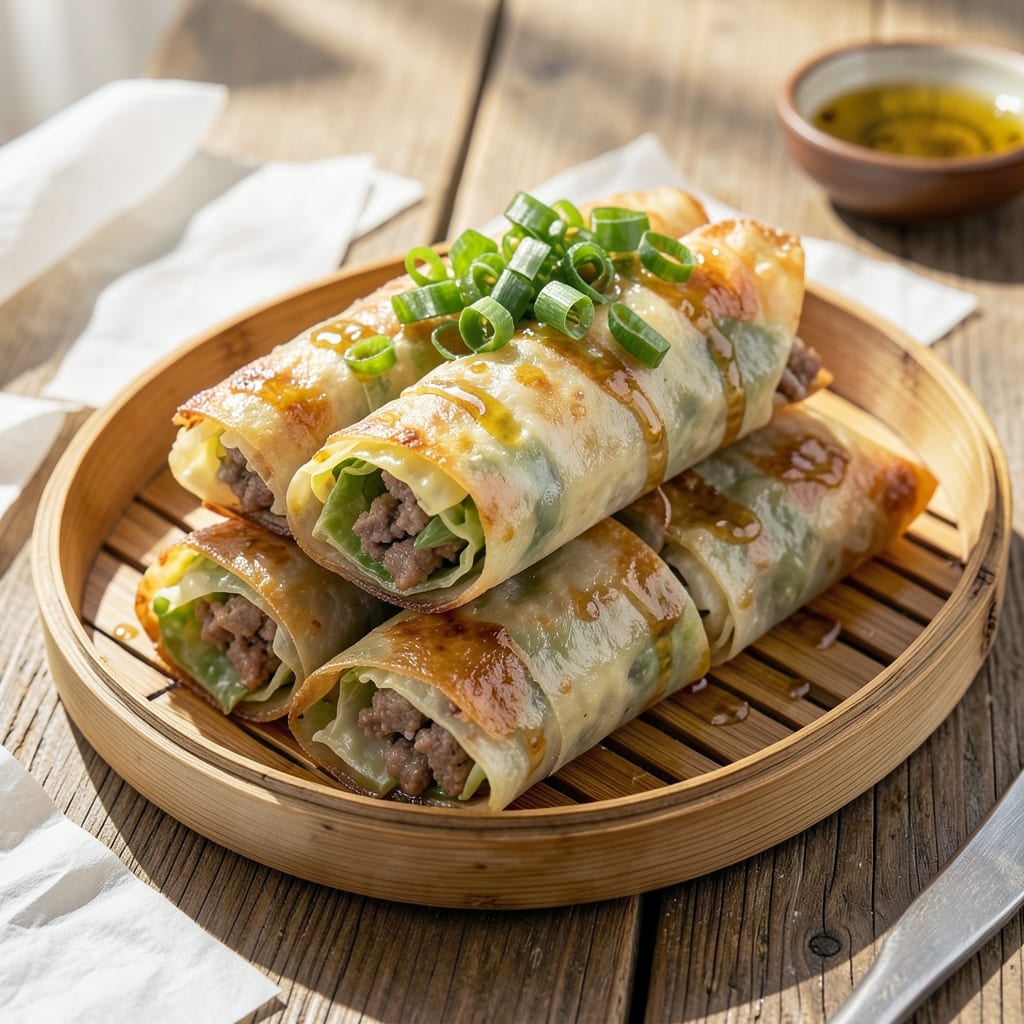
This Chinese cabbage egg roll recipe delivers the perfect balance of crispy wonton shells and silky egg filling that feels like a restaurant favorite. The secret lies in properly preparing the cabbage—shredding it finely and blanching it just enough to soften without losing texture—while the egg mixture stays tender and flavorful. I’ve tested countless variations, and this method ensures every bite has that satisfying crunch and melt-in-your-mouth center.
The process starts with assembling the egg rolls carefully, using wonton wrappers that stay pliable but sturdy enough to hold the filling. Whether you choose to deep-fry for that classic golden crust or bake for a lighter version, the key is patience—don’t overcrowd the pan or oven, or you’ll lose that signature crispiness. The filling itself is a harmonious blend of cabbage, pork (or a plant-based alternative), and seasonings that infuse flavor without overpowering the delicate egg mixture.
Once cooked, these egg rolls are best served immediately with a tangy dipping sauce—think a mix of soy sauce, vinegar, and a touch of chili for that classic contrast. The aroma alone will have everyone at the table reaching for seconds, and the combination of textures makes each bite irresistible. This recipe is perfect for meal prep or a special gathering, as the filling can be made ahead and wrapped fresh when ready to cook.
For those short on time, you can even steam the egg rolls instead of frying, though the texture will be softer. The beauty of this recipe is its versatility—whether you’re making them for a brunch spread or a quick weeknight dinner, the result is always satisfying. Let’s get started on creating these crispy, flavorful bites that taste like a taste of home.
Ingredients for chinese cabbage egg roll
Four cups cabbage, silky eggs, and crispy wrappers—this is your shortcut to restaurant-style egg rolls at home.
| Ingredient | Amount | Notes |
|---|---|---|
| Chinese Cabbage (Napa Cabbage) 🥬 | 4 cups | Shredded finely, blanched for texture |
| Ground Pork 🐖 | ½ lb | 80% lean, finely chopped |
| Large Eggs 🥚 | 4 whole | Freshly beaten for silky filling |
| Wonton Wrappers 🍡 | 16 pieces | Square, store-bought or homemade |
| Green Onions 🧅 | 2 whole | Thinly sliced, white and green parts |
| Sesame Oil 🫒 | 1 tbsp | Toasted for aroma, not cooking |
| Soy Sauce 🍶 | 1 ½ tbsp | Light or dark, for umami depth |
| Oyster Sauce 🍶 | 1 tbsp | Vegetarian version if needed |
| Cornstarch 🌾 | 1 tbsp | For crispy texture in filling |
| Vegetable Oil 🫒 | 2 cups | High smoke point for frying |
| Salt 🧂 | ½ tsp | Kosher or sea salt |
| White Pepper 🌶️ | ¼ tsp | Freshly ground for subtle heat |
| Garlic Cloves 🧄 | 2 cloves | Minced finely for aromatic base |
The cabbage is everything here. Look for vibrant, firm heads at Asian markets—they’ll have the freshest Napa. Shred it yourself (don’t use pre-shredded—it’s mushy), and blanch it for exactly 30 seconds to soften without turning limp. The pork? Ground pork from the butcher section stays juicier than pre-packaged. If you’re avoiding meat, extra-firm tofu crumbled fine works surprisingly well—just drain it thoroughly first. And for the wrappers? Martini brand is my go-to—they’re sturdy but pliable, not the flimsy kind that tears.
No sesame oil? Toasted sesame seeds at half the amount will give you that nutty aroma. Short on oyster sauce? Soy sauce plus a splash of mirin mimics the depth. The cornstarch is non-negotiable—it’s what gives that signature crispy bite to the filling. For the garlic, peel and mince it while the pork cooks so the aroma infuses everything. And if you’re frying, keep the oil at 350°F—any hotter and the wrappers burn before the filling cooks through. Pro tip: Use chopsticks to handle the hot egg rolls—tongs make them squish.
These keep for 2 days in the fridge, but honestly? They’re best fresh. Wrap them in parchment paper, then foil, to prevent drying. For make-ahead filling (before wrapping), store it in an airtight container for up to 3 days. Freeze uncooked egg rolls for 1 month—just thaw overnight in the fridge before cooking. And if you’re short on time, steaming them for 8-10 minutes gives a softer but still delicious result. The filling reheats beautifully—microwave it for 30 seconds, then wrap fresh and fry.
Why You'll Love This Recipe
- No Fuss Assembly: The cabbage barely needs chopping—just thin slices—and the filling comes together while you boil water. Honestly, I’ve made these while scrolling through my phone; the hardest part is deciding how many to roll.
- Crispy-Creamy Magic: That first bite? The pork stays juicy while the wrappers get a golden crunch, and the cabbage adds a satisfying chew. Between us, the green onions fried in at the end take it from good to “I’ll make this again tomorrow.”
- Lunchbox Hero: Pack them cold for work or school—they hold up better than you’d think. My kid’s teachers actually started asking for extras, which, let’s be real, is the best compliment for a school lunch.
- Budget Win: A full pound of pork and a whole cabbage stretch for six servings, and won’t break the bank. Leftovers? Toss them in a pan with soy sauce for a quick stir-fry—no waste, all flavor.
Step-by-step instructions for crispy Chinese cabbage egg rolls
Here's how to make restaurant-quality egg rolls with perfectly crispy wrappers and a silky egg filling.
Blanch the Chinese Cabbage for Perfect Texture
Fill a large pot with water and bring to a rolling boil. Add the 4 cups Chinese cabbage (Napa cabbage) and cook for exactly 1 minute and 30 seconds. You'll see the leaves soften slightly but still maintain their shape—this is perfect. Immediately drain and rinse under cold water to stop the cooking process.
Drain thoroughly in a colander, then squeeze out all excess water by gently pressing with a clean kitchen towel. The cabbage should be wilted but still bright green. This blanching step removes bitterness and ensures the cabbage stays tender without turning mushy during frying. Don't skip this—it makes all the difference in texture!
Prepare the Silky Egg Filling
In a large bowl, beat the 4 whole large eggs until the yolks and whites are completely combined and the mixture is pale yellow. Add the 0.5 lb ground pork, 2 cloves minced garlic, 2 whole thinly sliced green onions, 1.5 tbsp soy sauce, 1 tbsp oyster sauce, 0.5 tsp salt, and 0.25 tsp white pepper. Mix gently until just combined—overmixing develops gluten and makes the filling tough.
In a small bowl, whisk together 1 tbsp cornstarch with 2 tablespoons cold water to make a slurry. Add this to the egg mixture and stir until evenly distributed. The filling should be thick but still pourable. This cornstarch slurry creates that signature crispy texture when fried, while keeping the inside silky smooth. Taste and adjust seasoning if needed—you want a balance of savory and slightly sweet.
Assemble the Egg Rolls with Precision
Place one wonton wrapper in the palm of your hand. Add about 2 tablespoons of the egg filling to the center of the wrapper. Fold the bottom corner up about ½ inch, then fold in the sides, and finally roll tightly from the bottom up, sealing the egg filling completely inside. Place the finished egg roll seam-side down on a plate.
Repeat with the remaining wrappers and filling, working quickly to keep the wrappers from drying out. For best results, assemble all egg rolls before frying. This ensures even cooking and prevents the wrappers from sticking together. If the filling seems too sticky to handle, wet your fingers slightly to help seal the edges. The goal is to create a tight, compact package that will fry evenly on all sides.
Fry to Golden Perfection
Heat 2 cups vegetable oil in a deep fryer or heavy pot to 350°F. Use a deep-fry thermometer to monitor the temperature—this is crucial for even cooking. Fry the egg rolls in batches of 4-5 at a time, turning occasionally with tongs, until they're a deep golden brown color, about 3-4 minutes total. The wrappers should be crispy all over with no soft spots.
Transfer the fried egg rolls to a paper towel-lined plate to drain excess oil. Sprinkle immediately with 1 tbsp toasted sesame oil while still hot—this adds incredible aroma and helps set the crispy texture. Serve warm with your favorite dipping sauce. For extra crispiness, you can broil them for 1-2 minutes after frying, watching closely to avoid burning.
Serve Immediately for Maximum Crispiness
Arrange the egg rolls on a serving platter and garnish with additional thinly sliced green onions for color and freshness. Serve while they're still hot and crispy—egg rolls lose their texture quickly as they cool. The contrast of the crispy wrapper with the silky egg filling is what makes these egg rolls so irresistible!
For best results, keep any leftovers covered with a clean kitchen towel to maintain crispiness. These egg rolls freeze beautifully too—just fry from frozen (add 1 minute to cooking time) and reheat in a 375°F oven for 5-10 minutes to restore crispiness. Enjoy your homemade egg rolls with family and friends—they're sure to be a hit!
Pro Tips For Making Chinese Cabbage Egg Roll
- Blanch Cabbage First: Toss shredded Chinese cabbage in boiling water for 30 seconds, then ice bath it—this wilts it just enough to handle without turning to mush when wrapped. I learned this the hard way after making egg rolls that fell apart mid-bite; prepped cabbage holds shape and soaks up flavors better.
- Cook Pork Until Dry: Brown the ground pork until it’s no longer pink and the pan is dry—this prevents soggy egg rolls. I used to stop at "no pink," but the extra 2 minutes to crisp the meat make a real difference in texture. Add a splash of soy sauce early to help it release moisture faster.
- Skip Overfilling Wrappers: Use about 1 tablespoon of filling per wrapper—overstuffing makes them burst open when fried. I was skeptical until I tried it; the wrappers stay crispy, and the cabbage stays intact. Weigh your portions if you’re impatient like me.
- Freeze Filled Rolls: Pop assembled egg rolls on a tray, freeze for 30 minutes, then transfer to a bag—this prevents them from sticking when frying. I skip this when lazy, but the difference in golden, even browning is noticeable. (Yes, even if you’re frying immediately, the 30-second thaw helps.)
Make-ahead tips for this dish
Filling Prep Ahead
Make the egg filling up to 3 days in advance and store it in an airtight container in the fridge. The flavors meld beautifully overnight, and the cornstarch slurry thickens just enough for perfect texture when you're ready to assemble. I like to portion the filling into 16 equal portions (about 2 tbsp each) using small plastic bags or a piping bag—this makes assembly a breeze later. Just give it a quick stir before using to redistribute any settled cornstarch. 💡
Wrapped Egg Rolls
Assembled egg rolls can be refrigerated for 2 days before frying, but I recommend wrapping them in parchment paper and storing them in a single layer in an airtight container. This prevents them from sticking together and keeps the wrappers from drying out. For best results, bring them to room temperature before frying—they'll cook more evenly. If you're short on time, you can freeze uncooked egg rolls for 1 month by wrapping them individually in plastic wrap before placing in a freezer bag. 🥶
Frying Shortcuts
Preheat your oil to 350°F before adding any egg rolls—this ensures a consistent temperature throughout the cooking process. For quick frying sessions, keep the oil hot between batches by placing a metal rack over the pot (this helps maintain temperature). If you're frying from frozen, add 1 extra minute to the cooking time and use tongs to gently separate any egg rolls that stick together. The key is patience: don't overcrowd the pot, or the oil temperature will drop and your egg rolls will turn greasy instead of crispy. ✨
Oven Alternative
For a lighter option, you can bake egg rolls at 375°F for 12-15 minutes on a wire rack set over a baking sheet. Brush them with a light coating of oil first to help crisp the wrappers, and flip them halfway through cooking. While they won't be as crispy as fried egg rolls, they still hold their shape beautifully. This method is perfect for meal prep—just reheat in the oven for 5-10 minutes to restore some crispiness. 🔥
Dipping Sauce Prep
Make the dipping sauce ahead of time and store it in a small jar in the fridge for up to 1 week. I like to mix 3 tbsp soy sauce, 1 tbsp rice vinegar, 1 tsp sesame oil, ½ tsp sugar, and a pinch of red pepper flakes. Thin it with 2 tbsp water if needed for dipping consistency. Serve it at room temperature for the best flavor balance—it pairs perfectly with the warm, crispy egg rolls. 🍶
Reheating Leftovers
To revive leftover egg rolls, place them on a baking sheet and reheat in a 375°F oven for 8-10 minutes to restore crispiness. For a quicker option, fry them again in 1 cup fresh oil at 350°F for 2-3 minutes until golden. If you're short on time, microwave them for 30 seconds (covered with a damp paper towel) to soften, then finish under the broiler for 1-2 minutes to crisp the wrappers. The filling reheats beautifully, so don't worry about texture—just focus on getting that satisfying crunch back. 💫
Nutrition facts
Frequently asked questions
Can I make these egg rolls without pork? For a vegetarian version, replace the 0.5 lb ground pork with 1 cup finely crumbled extra-firm tofu (drained well) or 0.5 lb mushrooms (like shiitake or oyster) minced finely. The texture works surprisingly well—just
Why do my egg rolls turn out greasy instead of crispy?
Greasy egg rolls usually happen when the oil temperature drops below 350°F or you overcrowd the pan. Use a deep-fry thermometer to maintain the right temperature, and fry in batches of 4-5 egg rolls at a time. Also, make sure your wrappers are dry before assembling—they absorb moisture from the filling, which can make them soggy.
How do I keep the cabbage from getting mushy?
The blanching time is critical—only 1 minute and 30 seconds in boiling water, then immediately rinse with cold water. Overcooking the cabbage releases water, which makes the filling soggy. After blanching, squeeze out all excess water by pressing gently with a clean kitchen towel. Fresh, crisp cabbage is the secret to that perfect texture!
Can I bake these egg rolls instead of frying?
Yes! Brush the assembled egg rolls with a light coat of oil and bake at 375°F for 12-15 minutes on a wire rack over a baking sheet. For extra crispiness, flip them halfway through. While they won’t be as crispy as fried versions, they hold their shape well and reheat nicely in the oven for 5-10 minutes to restore some crunch.
What’s the best way to reheat leftover egg rolls?
For maximum crispiness, place them on a baking sheet and reheat in a 375°F oven for 8-10 minutes. If you’re short on time, fry them again in 1 cup fresh oil at 350°F for 2-3 minutes until golden. Avoid microwaving unless you’re okay with softer wrappers—it’s the oil that brings back that satisfying crunch!