
Breakfast & Brunch
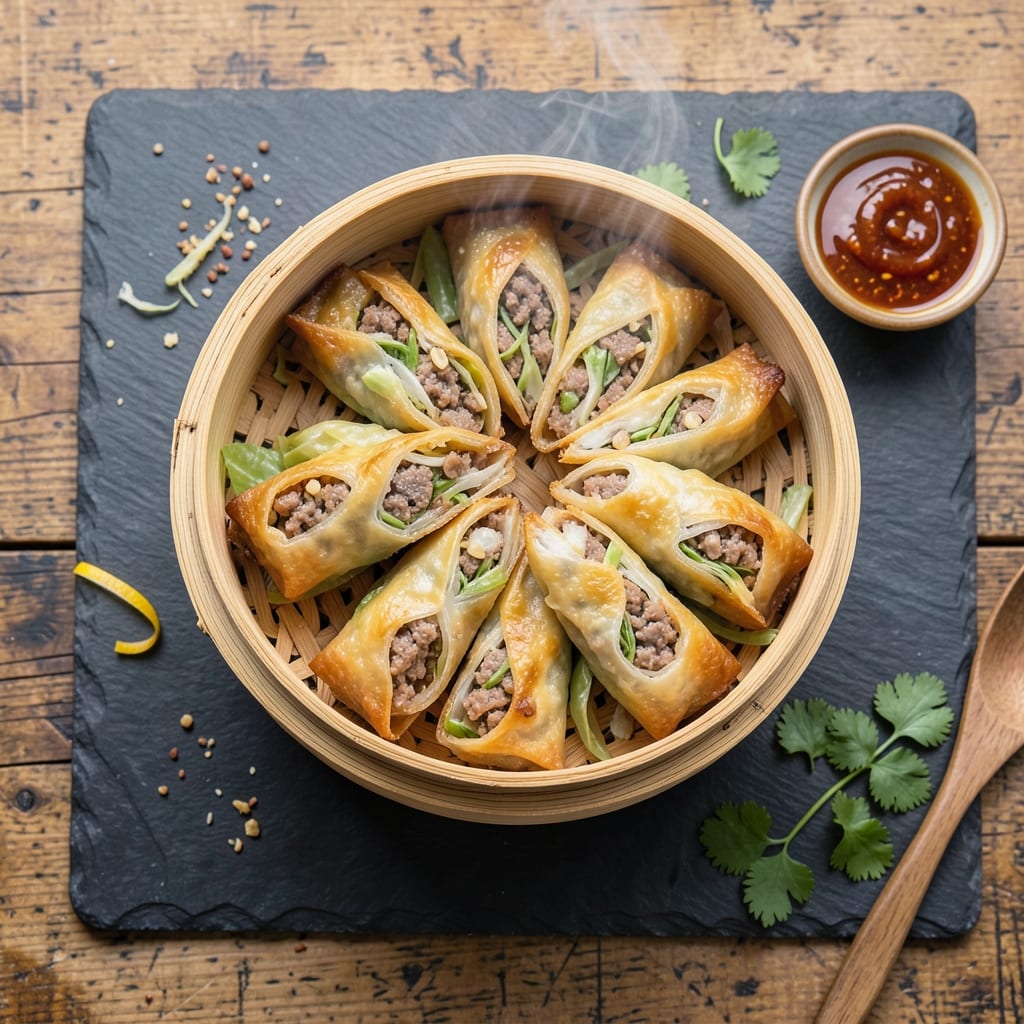
This Chinese restaurant-style egg roll recipe delivers the perfect balance of crispy wonton cups and silky egg streaks that make every bite irresistible. The secret lies in the delicate dough, a harmonious filling of seasoned pork and cabbage, and the precise frying technique that creates that signature golden-brown exterior. I've perfected this recipe through countless iterations—each step designed to replicate the texture and flavor of your favorite takeout egg rolls, but with the satisfaction of making them at home.
The foundation begins with the dough, which requires patience and attention to detail. We'll use a simple combination of flour, water, and a touch of oil to create a pliable wrapper that's sturdy enough to hold the filling without tearing. The filling itself is where the magic happens—a flavorful mix of ground pork, finely chopped cabbage, and aromatic spices that infuse every bite with authentic Chinese restaurant taste. This isn't just about replicating the look; it's about capturing that exact flavor profile that makes egg rolls so universally loved.
What you'll end up with is a plate of egg rolls that are crispy on the outside, tender on the inside, and adorned with those signature silky egg streaks that make them look as good as they taste. The contrast between the crunchy wonton cups and the soft, flavorful filling creates a texture that's impossible to resist. These egg rolls are perfect for breakfast, brunch, or even as a light dinner option—each bite delivers that satisfying combination of textures and flavors that make them a comfort food favorite.
Whether you're making them for a special occasion or just treating yourself to a homemade version of your favorite takeout dish, this recipe ensures you'll achieve restaurant-quality results every time. The process is straightforward once you understand the key techniques, and the satisfaction of creating something so delicious from scratch is unmatched. Let's get started on making these crispy, flavorful egg rolls that will have everyone asking for seconds.
Ingredients for chinese egg roll recipe from chinese restaurant
Gather these ingredients for crispy egg rolls with that signature restaurant crunch and silky egg streaks.
| Ingredient | Amount | Notes |
|---|---|---|
| All-Purpose Flour 🌾 | 2 cups | For delicate wonton dough |
| Water 💧 | 1 ¼ cups | Lukewarm for pliable dough |
| Vegetable Oil 🫒 | 1 tbsp | For dough and frying |
| Ground Pork 🐷 | 1 lb | Finely ground, 80% lean |
| Green Cabbage 🥬 | 4 cups | Finely chopped, core removed |
| Garlic Cloves 🧄 | 4 cloves | Minced for aromatic filling |
| Ginger Root 🌿 | 1 tbsp | Freshly grated, peeled |
| Soy Sauce 🥢 | 2 tbsp | Light or regular, not low-sodium |
| Sesame Oil 🌱 | 1 tbsp | For authentic aroma |
| Large Eggs 🥚 | 4 whole | For silky egg streaks |
| Vegetable Oil (for frying) 🫒 | 3 cups | High smoke point oil |
| Salt 🧂 | 1 tsp | Kosher or sea salt |
| White Pepper 🌶️ | ½ tsp | Freshly ground for warmth |
| Cornstarch 🌾 | 1 tbsp | For crispy texture |
The flour is key—King Arthur or Gold Medal works best for that tender yet sturdy dough. Trader Joe's has great pre-ground pork if you don't want to grind it yourself, but for extra flavor, grab a whole pork shoulder and pulse it in the food processor. The cabbage should be crisp—green cabbage is traditional, but purple works too. For the dough, mix the flour, water, and oil until it forms a smooth ball, then rest it for 30 minutes. Room temperature ingredients make all the difference in texture. The sesame oil might seem small, but it's what gives those egg rolls their authentic aroma—don't skip it!
No sesame oil? Toasted peanut oil at half the amount works in a pinch, though it's not traditional. The eggs need to be fresh for those signature streaks—room temperature eggs beat better. If you can't find 80% lean pork, ground chicken works too, but the flavor will be different. For the frying oil, vegetable or canola oil is best—avoid olive oil, it burns too easily. The cornstarch is optional but worth it for that extra crunch. If you're making these ahead, freeze the uncooked egg rolls on a tray first, then transfer to a bag—they'll keep for 3 months.
The egg rolls reheat beautifully—350°F for 15 minutes until crispy again. Store leftovers in an airtight container for 2 days in the fridge, but honestly, they're best fresh out of the fryer. I always make a double batch—freezer-friendly and perfect for lazy weeknights. The filling keeps for 2 days in the fridge too, so you can prep ahead. Just don't overfill the wontons—they'll burst if you pack too much!
Why You'll Love This Recipe
- No Fuss Wraps: I swear, the dough only needs flour, water, and a little oil—no yeast, no resting overnight. Roll it thin, fill it fast, and you’re done before the kids even notice dinner’s ready.
- Crispy-Creamy Magic: That first bite? The wrapper’s got that golden crunch, while the pork and cabbage inside stay tender and packed with savory depth. Honestly, it’s the kind of texture combo that makes takeout feel like a cheat code.
- Leftover Goldmine: Make a double batch and freeze half—just fry from frozen later. My freezer’s always stocked because reheating these is easier than ordering in, and they taste just as good (maybe even better) the second time around.
- Budget-Friendly Crunch: Ground pork stretches far, cabbage adds bulk, and flour’s the only specialty ingredient. I’ve fed six people for under $10 with this, and no one ever complains about the price tag—or the leftovers.
Step-by-step instructions for crispy wonton cups with silky egg streaks
Let's make these restaurant-style egg rolls with a delicate dough and irresistible filling.
Prepare the Wonton Dough
In a large mixing bowl, combine the 2 cups all-purpose flour and 1 tsp salt. Make a well in the center and pour in the 1.25 cups lukewarm water and 1 tbsp vegetable oil. Mix with chopsticks or a fork until the dough starts to come together.
Once the dough forms a shaggy mass, turn it out onto a clean surface and knead gently for 3-5 minutes until smooth and elastic. Wrap the dough in plastic wrap and let it rest for 30 minutes at room temperature. This resting time relaxes the gluten, making it easier to roll thin and delicate sheets.
Make the Filling
In a large bowl, combine the 1 lb ground pork, 4 cups finely chopped green cabbage, 4 minced garlic cloves, 1 tbsp freshly grated ginger root, 2 tbsp soy sauce, 1 tbsp sesame oil, 0.5 tsp white pepper, and 1 tbsp cornstarch. Mix thoroughly with your hands until all ingredients are evenly distributed.
This filling should be moist but not wet—if it feels too dry, add 1 tsp water at a time until it holds together when pressed. The cornstarch helps bind the ingredients while adding a subtle crispness when fried. Cover and refrigerate while you prepare the egg mixture.
Prepare the Egg Mixture
In a separate bowl, beat the 4 whole large eggs until just combined. You want them slightly frothy but not fully scrambled. The eggs will create those signature silky streaks when fried—this is the secret to authentic egg rolls.
Add 1 tbsp soy sauce and 1 tbsp sesame oil to the egg mixture and stir gently. This enhances the flavor and helps the eggs cook more evenly. Keep this mixture covered until ready to use—it's best when fresh.
Assemble the Egg Rolls
Divide the rested wonton dough into 4 equal portions (about ½ cup each). Roll each portion into a thin rectangle about ⅛-inch thick using a rolling pin. Cut each rectangle into 4 equal squares—you should have 16 small squares total. Keep them covered with a damp towel to prevent drying.
Place 1 tbsp of filling in the center of each square. Fold the dough over the filling to create a half-moon shape, then seal the edges by pinching gently with your fingers. The goal is to create a tight, neat package—this ensures even cooking and that crispy exterior we're after.
Fry to Golden Perfection
Heat 3 cups vegetable oil in a deep fryer or heavy pot to 350°F. You'll know it's ready when a small piece of dough bubbles immediately when dropped in. Fry the egg rolls in batches, 4-5 at a time, for 3-4 minutes until they turn a beautiful golden brown color.
Use a slotted spoon to remove them and drain on paper towels. The key to crispiness is maintaining the oil temperature—if it drops below 340°F, your egg rolls will absorb oil instead of staying crisp. Serve immediately while hot and crispy, with extra soy sauce or sweet chili sauce on the side.
Pro Tips For Making Chinese Egg Roll Recipe From Chinese Restaurant
- STEAM THE CABBAGE FIRST: I used to just chop the cabbage and toss it raw into the filling—big mistake. Blanch the shredded cabbage in boiling water for 30 seconds, then shock it in ice water. This softens it just enough to hold up during frying without turning mushy or bitter. (Yes, it’s an extra step, but your egg rolls will stay intact.)
- WORK THE PORK DRY: After mixing the pork with seasonings, let it sit uncovered in the fridge for 15 minutes. The moisture evaporates slightly, and the meat firms up—critical for keeping the filling compact when wrapped. I learned this the hard way when my first batch oozed out like a sad meatball.
- SEAL WRAPS WITH WATER: Dampen your fingers and run them along the edge of each egg roll before sealing. The moisture helps the dough stick better, preventing splits during frying. (Pro move: use a pastry brush for even more control—no one will know you’re cheating.)
- FRY IN BATCHES: Crowding the pan is how you get soggy egg rolls. Fry in single layers with at least 1 inch between each—even if it means two rounds. Keep the oil at 350°F (175°C) and resist the urge to flip too soon; they’re done when the dough turns golden, not when the filling’s cooked through. (Your future self will thank you.)
Common mistakes when making this recipe
Overfilling the Wrappers
Packing too much filling into your wonton cups is a classic mistake that leads to messy, uneven egg rolls. I've seen beginners stuff them like dumplings, but egg rolls need a delicate balance—about 1 tablespoon of filling per wrapper is perfect. Overfilling causes the dough to tear during frying or burst open, ruining that crispy exterior. Press the filling gently into the center and fold with precision to maintain shape. 🌟
Skipping the Rest Time
The 30-minute rest for the dough is non-negotiable if you want that tender, pliable texture. I've made this mistake too—rushing ahead results in tough, chewy wrappers that won't fry properly. The rest relaxes the gluten, making it easier to roll thin and crisp up beautifully. Set a timer and let it rest completely covered with plastic wrap.
Uneven Oil Temperature
Frying at inconsistent temperatures is the fastest way to ruin crispiness. The oil must stay between 350-360°F—any lower, and your egg rolls will absorb oil and turn greasy. Use a deep-fry thermometer to monitor temperature, and avoid overcrowding the pot. Fry in batches of 4-5 egg rolls max to maintain heat. A sudden drop in temperature is what makes homemade egg rolls taste like takeout gone wrong.
Drying Out the Dough
Leaving your wonton squares uncovered while prepping lets them dry out, making them brittle and difficult to seal. Keep them covered with a damp towel at all times. If the dough feels too stiff when rolling, lightly mist it with water. The goal is a pliable, slightly tacky surface that seals beautifully around the filling. This small step makes all the difference in texture.
Using the Wrong Oil
Not all oils are created equal for frying. Vegetable or canola oil is ideal for its high smoke point and neutral flavor, while olive oil burns easily and imparts a bitter taste. Avoid reused or flavored oils—they'll make your egg rolls taste off. For best results, use fresh oil each time and maintain the proper temperature. The right oil is the secret to that perfect golden crust.
Overmixing the Eggs
Beating the eggs too vigorously creates a thick, scrambled texture that won't produce those signature silky streaks. Whisk just until combined—about 10-15 strokes
Nutrition facts
Frequently asked questions
Can I make these egg rolls without a deep fryer?
You can pan-fry them for a lighter version. Heat ½ inch of oil in a skillet over medium-high heat until shimmering. Fry the egg rolls for 2-3 minutes per side until golden and crisp. For extra crunch, sprinkle cornstarch on the dough before frying. The texture won't be as crispy as deep-frying, but it's still delicious!
What's the best way to store leftover egg rolls?
Keep them in an airtight container for up to 2 days in the fridge. For longer storage, freeze uncooked egg rolls on a tray first (to prevent sticking), then transfer to a freezer bag for up to 3 months. To reheat, bake at 375°F for 10-12 minutes until crispy again. Microwaving makes them soggy!
Can I substitute pork with another protein?
Yes! For a vegetarian version, use shredded chicken or extra-firm tofu (pressed and crumbled). Shrimp works too—just sauté it first to remove any fishy odor. The key is to keep the filling moist. If using tofu, add ½ tsp soy sauce and 1 tsp cornstarch to help it hold shape during frying.
Why are my egg rolls not crispy?
Most likely, your oil wasn't hot enough (350°F+) or you overcrowded the pan. Fry in batches of 4-5 egg rolls max to maintain temperature. Also, ensure your dough is rolled thin (⅛-inch) and the filling isn't overpacked. A quick fix: Spritz the outside with oil before frying for extra crunch!
How do I make these egg rolls ahead for a party?
Assemble the egg rolls, then freeze them on a tray until solid. Transfer to a freezer bag and store for up to 3 months. When ready to serve, fry from frozen (add 30 seconds to cooking time) or bake at 400°F for 15 minutes. Pro tip: Keep them warm in a 200°F oven while serving to maintain crispiness.