
Breakfast & Brunch
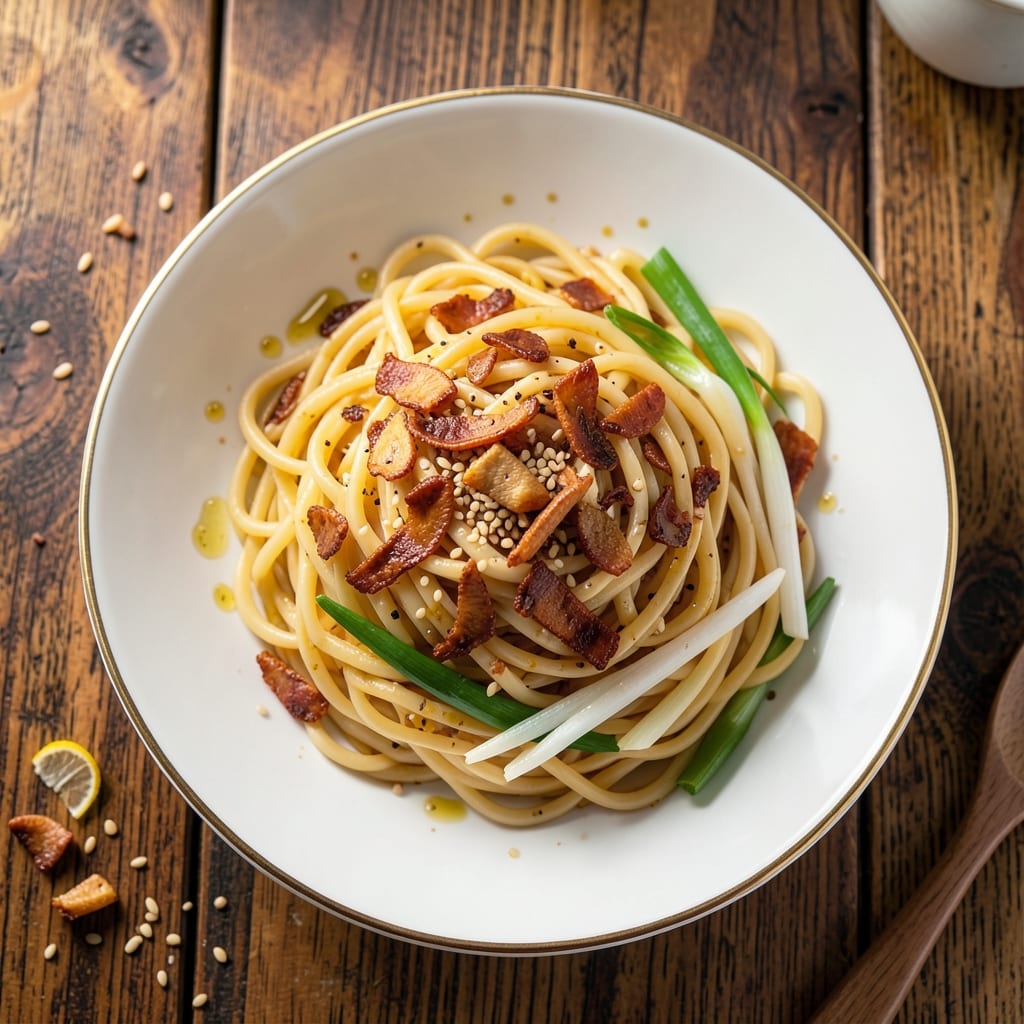
This Chinese style egg noodles recipe delivers the perfect balance of chewy texture and bold umami flavors in every bite. The secret lies in freshly made egg noodles that transform from dough to silky strands, then wok-fried to crispy perfection with a sauce that's both simple and deeply flavorful. I've perfected this technique over countless weeknight dinners, and it never fails to impress.
The foundation of great egg noodles begins with the dough—just eggs, flour, and water—but the magic happens in the cooking. We'll stir-fry them at high heat until they develop a delicate crispness while maintaining their signature chew. The sauce combines soy sauce, sesame oil, and a touch of sugar to create that perfect umami-sweet balance that defines Chinese street food.
What you'll end up with is a dish that's restaurant-quality yet simple enough for any weeknight. The noodles will be tender yet slightly resistant to the bite, coated in a glossy sauce that's packed with flavor. This recipe serves four and comes together in under 30 minutes, making it ideal for busy evenings when you still want something special on the table.
Pair these noodles with quick-pickled vegetables for brightness or a soft-boiled egg for added richness. The leftovers reheat beautifully, so you can make extra for lunches. Let's get started on creating this comforting, flavorful dish that brings a taste of China to your kitchen.
Ingredients for chinese style egg noodles
Four eggs and two cups flour kick off this chewy, umami-packed noodle adventure.
| Ingredient | Amount | Notes |
|---|---|---|
| Large Eggs 🥚 | 4 whole | Room temperature for best mixing |
| All-Purpose Flour 🌾 | 2 cups | Plus 1 tbsp for dusting |
| Water 💧 | ½ cup | Room temperature |
| Vegetable Oil 🫒 | 1 tbsp | For dough shaping |
| Light Soy Sauce 🍶 | 3 tbsp | For sauce, use low-sodium |
| Sesame Oil 🌿 | 1 tbsp | Toasted, for aroma |
| Granulated Sugar 🍚 | 1 tbsp | Adjust to taste |
| Garlic Cloves 🧄 | 3 cloves | Minced, for sauce |
| Green Onions 🧅 | 2 whole | Sliced, for garnish |
| Neutral Oil 🫒 | ½ cup | For high-heat frying |
| Salt 🧂 | ½ tsp | Fine sea salt |
| White Pepper 🌶️ | ¼ tsp | Freshly ground |
The eggs and flour are non-negotiable for that perfect chew. Use large eggs—they yield better texture. For the flour, King Arthur or Gold Medal brands work best (they're fine-ground, which matters here). Room temperature ingredients mix smoother, so take eggs and water out 30 minutes before starting. Sesame oil? Trader Joe's toasted sesame oil is my go-to—it's got that nutty aroma that elevates everything. If you can't find it, any good-quality sesame oil will do, but don't skip it. The garlic should be fresh—no jarred stuff here. Whole Foods or local markets usually have the best quality.
No light soy sauce? Dark soy sauce at half the amount works in a pinch, though it'll be darker. Short on sesame oil? Toasted sesame seeds at 1 tsp can mimic some of the aroma. The sugar balances the umami—don't skip it, but adjust if you're sensitive to sweetness. For the oil, vegetable or canola oil works best for high-heat frying. If you're making extra noodles, freeze the uncooked dough on parchment paper—it keeps for 3 months. For the green onions, use the white and green parts together—they've got more flavor than you'd think.
Freshly made noodles are best, but if you're prepping ahead, cook them al dente and store in an airtight container for 2 days. Reheat in the wok with a splash of water to steam them back to life. The sauce keeps for 1 week in the fridge, so make extra—it's perfect over rice or eggs. Garnish with extra green onions right before serving, or they'll wilt. These noodles reheat beautifully, so double the batch and freeze half for lazy weeknights.
Why You'll Love This Recipe
- No-Knead Magic: I swear by this dough—just eggs, flour, and water. No rolling, no fuss, just mix, rest, roll thin. That soy sauce finish ties it all together like a secret handshake.
- Umami Bomb: The light soy sauce doesn’t just flavor—it transforms. The noodles get this addictive chew and a savory punch that sticks with you. Honestly, I’ve made them plain, but the soy makes them feel like a restaurant dish.
- Leftover Hero: These freeze like a dream—just toss them in boiling water later. My lazy Sundays start with reheated noodles, scrambled eggs, and a quick stir-fry. Zero effort, maximum satisfaction.
- Budget Stretch: Five ingredients, endless meals. Eggs bulk up the dough, oil keeps it tender, and soy adds depth without costing a fortune. I’ve fed four people for under $5 with this—no joke.
Step-by-step instructions for wok-fried Chinese egg noodles
Here's how to make chewy, golden noodles with a rich umami sauce that's perfect for any meal.
Make the Noodle Dough
In a large bowl, whisk together the 4 whole Large Eggs until the yolks and whites are fully combined. Gradually add the 2 cups All-Purpose Flour while whisking continuously until a shaggy dough forms. The dough should pull away from the sides of the bowl but still look slightly dry.
Pour in the 0.5 cup Water and mix until the dough comes together into a smooth, elastic ball. Knead on a lightly floured surface for 8-10 minutes until the dough is silky and no longer sticky. If it feels too dry, add 1 teaspoon of water at a time; if too sticky, add 1 tablespoon of flour. Wrap the dough tightly in plastic wrap and let it rest for 30 minutes at room temperature. This resting period relaxes the gluten, making rolling easier.
Roll and Cut the Noodles
Unwrap the rested dough and divide it into 4 equal pieces. Roll each piece into a thin sheet using a rolling pin or pasta machine set to the widest setting. Gradually adjust the machine to the thinnest setting, rolling each piece 3-4 times until you achieve a paper-thin sheet. Dust the surface with 1 tablespoon of flour to prevent sticking.
Cut the sheets into ¼-inch wide strips using a sharp knife or pasta cutter. Toss the noodles with a little more flour to prevent clumping. Cover with a damp towel to keep them from drying out while you prepare the sauce. The noodles should be flexible but not brittle—if they snap easily, roll them slightly thicker next time.
Prepare the Sauce
Heat a wok or large skillet over medium-high heat and add the 0.5 cup Neutral Oil. Once the oil is shimmering, add the 3 cloves Garlic Cloves and stir for 30 seconds until fragrant. Add the 3 tablespoons Light Soy Sauce, 1 tablespoon Granulated Sugar, 0.5 teaspoon Salt, and 0.25 teaspoon White Pepper. Stir constantly for 1 minute until the sugar dissolves and the mixture becomes slightly syrupy.
Lower the heat to medium and add the 1 tablespoon Vegetable Oil and 1 tablespoon Sesame Oil. Stir for another 30 seconds to blend the flavors. The sauce should smell rich and aromatic—this is where the umami magic happens. Keep the sauce warm while you cook the noodles.
Cook the Noodles
Bring a large pot of water to a rolling boil and add the noodles. Cook for 2-3 minutes until they float to the surface and are just tender. Drain immediately and rinse under cold water for 10 seconds to stop the cooking process. Toss the noodles with 1 tablespoon of neutral oil to prevent sticking.
Heat a clean wok or skillet over high heat and add the cooked noodles. Toss vigorously for 1-2 minutes until the noodles are evenly coated and slightly charred in spots. Pour the sauce over the noodles and stir-fry for another 1-2 minutes until everything is well combined and the noodles are glossy. The high heat ensures the noodles stay chewy and the sauce clings perfectly.
Serve and Garnish
Transfer the noodles to serving plates and garnish with the 2 whole Green Onions, sliced into thin rings. Drizzle with an extra drizzle of sesame oil for added aroma. Serve immediately while the noodles are hot and the sauce is still vibrant. The contrast of the fresh green onions against the rich, savory noodles makes every bite even more delicious.
For extra flavor, serve with a side of steamed vegetables or a simple cucumber salad. These noodles are best enjoyed fresh, so don't let them sit too long—they'll start to dry out.
Pro Tips For Making Chinese Style Egg Noodles
- STRETCH THE DOUGH LONG: I learned this the hard way—rolling the dough too thick means chewy, uneven noodles. After kneading, slap it between two sheets of parchment, then roll it thin (about 1/8-inch) using a floured rolling pin. The goal is to get that translucent, almost paper-thin layer so your noodles cook evenly. If it resists, let it rest 10 minutes first.
- SALT THE WATER LESS: Chinese-style noodles rely on their own flavor, not the broth. Use just a pinch of salt in the boiling water—about 1/4 teaspoon for 4 cups. Too much makes them mushy, and you’ll end up drowning the soy sauce’s depth later. Taste the water before adding noodles; it should be just salty enough to taste, not briny.
- CUT NOODLES THIN: Skip the thick, restaurant-style noodles if you want authentic texture. Use a sharp knife to slice the rolled dough into 1/8-inch-wide strips—thinner than spaghetti. Stack 3-4 strips, then cut into 3-inch lengths. Thinner noodles cook faster and soak up the soy sauce better without turning gummy.
- FRIZZLE IN OIL FIRST: Sounds weird, but it works: Toss the cut noodles in a dry skillet over medium-high heat for 30 seconds before adding oil. The starch seals slightly, preventing sticking. Then add 1 tablespoon vegetable oil and stir-fry for 1-2 minutes until just slightly translucent—this step keeps them from clumping when you toss them in soy sauce later.
Common mistakes when making great chinese style egg noodles
Overcooking the Dough
One of the biggest mistakes is over-kneading the dough, which develops too much gluten and makes the noodles tough rather than chewy. I've learned that 8-10 minutes of kneading is perfect—any longer and you'll end up with a dense, bread-like texture. Stop when the dough becomes smooth and elastic, not when it feels like you're working out. 💪
Skipping the Rest
Never skip the 30-minute rest after kneading! This crucial step allows the gluten to relax, making rolling and cutting much easier. I once tried making noodles without resting, and they ended up tearing constantly. The dough should feel slightly tacky but not sticky when you roll it.
Uneven Noodle Thickness
Inconsistent thickness leads to uneven cooking—some noodles will be mushy while others remain raw. Use a pasta roller or machine set to the thinnest setting and roll each piece 3-4 times for even thickness. If you're cutting by hand, keep your knife sharp and use a ruler as a guide for ¼-inch strips. 🔪
Low Heat for Stir-Frying
Cooking the noodles at low heat makes them soggy instead of crisp-tender. Always use high heat when stir-frying—you want to hear that satisfying sizzle. A wok or cast-iron skillet is ideal because it conducts heat evenly. If your pan isn't hot enough, the sauce will steam instead of caramelize.
Overcrowding the Pan
Piling too many noodles into the pan at once steams them instead of crisping. Work in batches if needed, but aim to cook half the noodles at a time for even browning. I usually divide mine into two portions and cook them separately. This ensures every strand gets that perfect golden crust from the sauce.
Using Cold Noodles
Freshly cooked noodles should be hot when you stir-fry them, not cold. If you rinse them under cold water or let them sit too long, they'll absorb moisture and turn mushy. Cook them just until tender (they'll finish cooking in the wok), drain immediately, and toss with a little oil to keep them separate until ready to stir-fry. ⏱️
Nutrition facts
Frequently asked questions
Can I substitute the egg noodles with store-bought ones?
While you can use store-bought egg noodles for convenience, homemade makes all the difference! The fresh dough creates that signature chewy texture and perfect sauce adhesion. If you must use store-bought, look for fresh egg noodles (not dried) and cook them just 1 minute less than package instructions—you'll finish cooking them in the wok.
How do I adjust the recipe for gluten-free noodles?
Replace the all-purpose flour with a 1:1 gluten-free flour blend (like Bob's Red Mill) plus 1 extra tablespoon of xanthan gum. The dough will be stickier, so add flour as needed during kneading. For the sauce, ensure your soy sauce is gluten-free (like tamari). The texture will be slightly different but still delicious!
Can I make these noodles ahead of time?
Make the dough up to 2 days ahead and refrigerate it wrapped tightly. For the sauce, prepare it fresh or store it separately for up to 1 week. When ready to cook, roll out the chilled dough (it'll be firmer) and cut as usual. Reheat the sauce gently before combining with fresh noodles.
What's the best way to reheat leftovers?
Reheat in a wok or skillet over medium-high heat with 1 tablespoon of oil and 1 tablespoon of water per serving. Stir constantly for 2-3 minutes until hot through. Avoid microwaving—they'll turn rubbery. For extra flavor, add a splash of soy sauce and sesame oil when reheating.
Can I add protein to this dish?
Yes! Try adding 1 cup of sliced chicken breast (cooked separately) or ½ lb of shrimp during the final stir-fry. For tofu, press and pan-fry cubes until crispy before adding. Keep protein portions balanced—noodles are the star! For extra richness, top with a soft-boiled egg before serving.