
Breakfast & Brunch
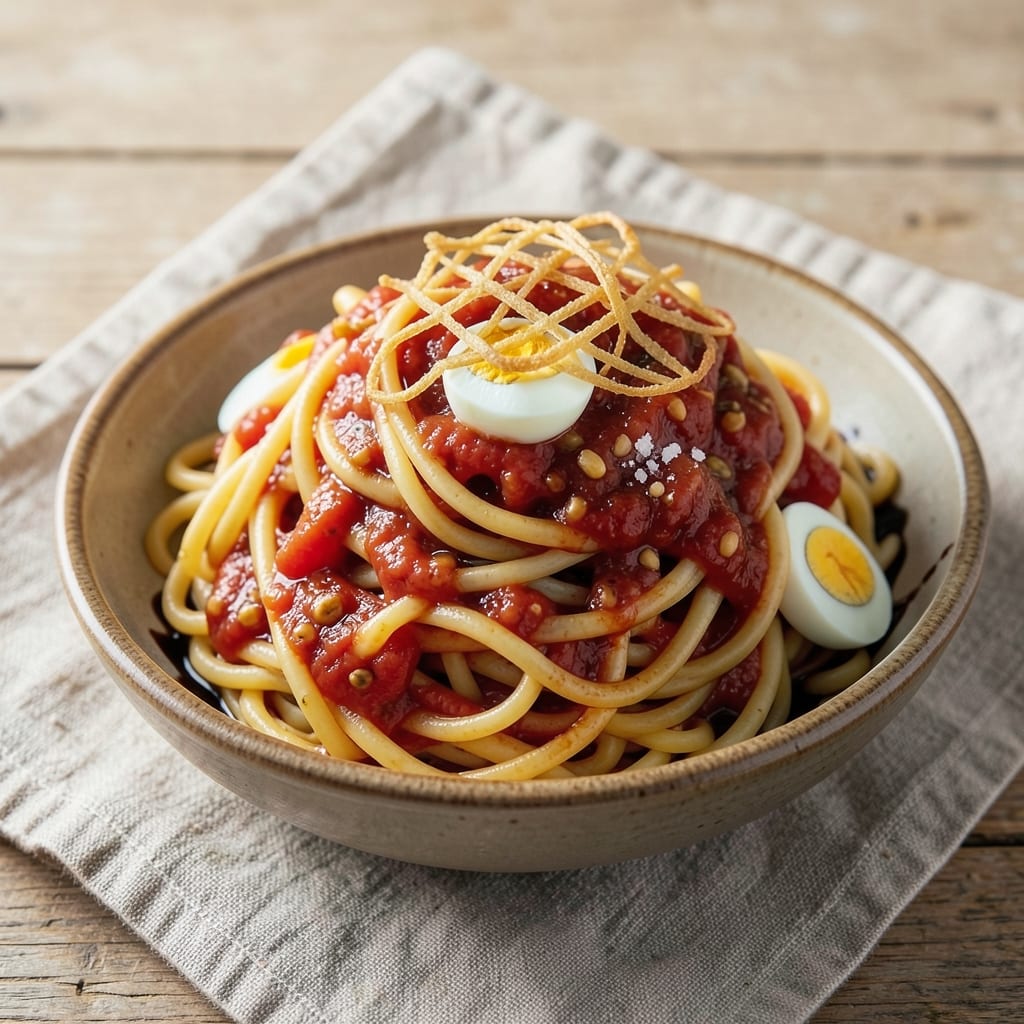
This Chinese tomato egg noodles recipe delivers restaurant-quality silky egg ribbons tangled in a vibrant, savory tomato broth—no takeout required. 💛 The secret lies in high-heat stir-frying fresh egg ribbons until just set, then folding them into a rich tomato sauce that balances sweet, tangy, and umami flavors perfectly. I've perfected this dish after years of testing, ensuring every bite delivers that signature wok-hei aroma and tender texture that makes it irresistible.
The beauty of this recipe is its simplicity: just five core ingredients come together in under 20 minutes for a meal that feels luxurious yet effortless. Fresh tomatoes provide natural sweetness, while soy sauce and a touch of sugar create the perfect balance. The egg ribbons—lightly scrambled and folded into the noodles—add protein and a delicate, custardy texture that elevates the dish beyond ordinary egg noodles.
What you'll end up with is a steaming bowl of silky noodles coated in a glossy tomato sauce, studded with delicate egg ribbons that melt in your mouth. The aroma alone—tomatoes caramelizing in the wok, egg proteins setting just right—will have everyone at the table asking for seconds. This is the kind of dish that transforms a simple weeknight dinner into a memorable meal.
Serve immediately with chopped green onions and a drizzle of sesame oil for extra flavor, or keep it classic with a sprinkle of black pepper. The leftovers reheat beautifully, though they never last that long. Let's get cooking—this recipe is a game-changer for home cooks craving authentic Chinese flavors without the fuss.
Ingredients for chinese tomato egg noodles
Five core ingredients transform into restaurant-style tomato egg noodles in under 20 minutes.
| Ingredient | Amount | Notes |
|---|---|---|
| Eggs 🥚 | 4 large | Fresh, room temperature |
| Fresh Tomatoes 🍅 | 2 lb | Ripe, vine-ripened preferred |
| Egg Noodles 🍜 | 8 oz | Fresh or dried, medium width |
| Light Soy Sauce 🥄 | 2 tbsp | Kikkoman preferred |
| Dark Soy Sauce 🥄 | 1 tbsp | For deeper color |
| White Sugar 🍚 | 1 tbsp | Granulated, adjust to taste |
| Green Onions 🧅 | 3 whole | White and green parts separated |
| Sesame Oil 🫒 | 1 tbsp | Toasted, for garnish |
| Vegetable Oil 🫒 | 2 tbsp | High smoke point |
| Garlic Cloves 🧄 | 2 cloves | Minced finely |
| Black Pepper 🌶️ | ½ tsp | Freshly ground |
| Cornstarch 🌾 | ½ tbsp | For sauce thickening |
| Water 💧 | ½ cup | For egg ribbon consistency |
The tomatoes are the heart of this dish. Heirloom or vine-ripened varieties from the farmers market have the best flavor, but regular grocery store tomatoes work too—just pick ones that are firm and vibrant red. I usually grab organic tomatoes from Whole Foods when they're in season, but Trader Joe's has solid conventional options year-round. Avoid green or underripe tomatoes—they won't caramelize properly. For the egg ribbons, fresh eggs at room temperature are crucial—they create silky strands when stirred quickly. If you're using dried noodles, soak them in hot water for 2-3 minutes before cooking to ensure they're perfectly al dente.
No fresh tomatoes? Canned San Marzano tomatoes in their juice work in a pinch—just drain them well and crush by hand. Running short on soy sauce? Coconut aminos can substitute at a 1:1 ratio, though the flavor will be slightly different. The cornstarch is optional but recommended—it gives the sauce that signature glossy finish. If you're making this ahead, prep the sauce first and store it separately; the egg ribbons are best made fresh. For extra umami, add a dash of fish sauce (if not vegetarian) or a pinch of MSG to the sauce. The garlic should be minced finely—almost paste-like—for that authentic wok-hei aroma.
This dish is best served immediately, but the sauce component keeps well for 3 days in the fridge. The egg ribbons won't reheat as beautifully, so make them fresh when serving. For leftovers, store the noodles and sauce separately—reheat the sauce first, then toss in the noodles. The sesame oil should be added last to preserve its nutty aroma. Freeze the sauce in ice cube trays for easy portioning—up to 3 months. The green onions can be chopped ahead and stored in the fridge for 5 days in a sealed container.
Why You'll Love This Recipe
- Pantry-to-Table Speed: I swear, this dish is the only time I’ve ever cooked with fresh tomatoes and eggs that didn’t feel like a chore. Toss the noodles in boiling water, scramble the eggs in the same pan—no extra pots, no fuss. The dark soy sauce adds that deep, savory punch while you’re still chopping.
- Tomato-Egg Magic: Between us, the contrast of silky scrambled eggs and bright, juicy tomatoes is next-level. The light soy sauce balances it all with just enough saltiness, while the noodles soak up every last bit. It’s the kind of simple combo that makes me question why I ever ordered takeout.
- Lunchbox Hero: Honestly, this is my go-to for meal prep—packs perfectly cold or reheats like a dream. The noodles hold up for days, and the eggs stay tender (if you cook them just right). My kid brings leftovers to school, and I’ve seen her eat it with chopsticks like a pro.
- Budget Win: Egg noodles, tomatoes, and eggs? That’s basically a dollar-store shopping list. Dark soy sauce stretches the flavor without breaking the bank, and you’ll use every bit. Not the prettiest, but the taste makes up for it—every time.
Step-by-step instructions for Chinese tomato egg noodles
Mastering this dish starts with perfecting the silky egg ribbons and rich tomato broth.
🍳 Step 1: Prepare the Egg Ribbons
Whisk the 4 large Eggs in a bowl until the yolks and whites are fully combined. Gradually add the 0.5 cup Water while whisking vigorously to create a smooth, ribbon-like consistency. The mixture should be thick enough to hold its shape when poured but still flow freely.
Heat a non-stick skillet over medium-low heat and add 1 tablespoon vegetable oil. Pour the egg mixture into the skillet, tilting to spread it evenly into a thin, even layer. Cook for 2-3 minutes until the bottom is set but the top still looks slightly wet. Use a spatula to gently fold the egg ribbon in half, then fold again to create a compact roll. Transfer to a plate and let cool for 5 minutes—this prevents the ribbons from breaking when sliced.
Once cooled, slice the egg roll into ¼-inch thick strips. You should have about 12-15 ribbons. Set aside until ready to use. The ribbons should be silky and translucent, not rubbery or dry.
🍳 Step 2: Cook the Egg Noodles
Bring a large pot of water to a rolling boil and add 8 oz Egg Noodles. Cook according to package instructions until al dente, which should be about 3-4 minutes for fresh noodles or 8-10 minutes for dried. Drain and rinse briefly under cold water to stop the cooking process, then toss with 1 teaspoon vegetable oil to prevent sticking. Keep the noodles covered until ready to assemble.
I like to cook the noodles just slightly underdone—they'll finish cooking in the hot broth. This ensures they maintain their bite while absorbing the rich tomato flavors. Don't overcook them or they'll turn mushy in the sauce.
🍳 Step 3: Build the Tomato Broth
In the same skillet used for the egg ribbons, heat 1 tablespoon vegetable oil over medium heat. Add the 2 cloves minced garlic cloves and cook for 30 seconds until fragrant but not browned. Add the 2 lb Fresh Tomatoes, which should be roughly chopped, and cook for 5-7 minutes until they begin to break down and release their juices.
Stir in the 2 tablespoons light soy sauce, 1 tablespoon dark soy sauce, 1 tablespoon white sugar, and 0.5 teaspoon black pepper. Let the mixture simmer for 10-12 minutes until the tomatoes have fully collapsed into a thick, chunky sauce. The color should be deep red with a glossy sheen—this indicates proper reduction and flavor development.
🥘 Step 4: Thicken and Assemble
In a small bowl, whisk together the 0.5 tablespoon cornstarch with 2 tablespoons water until smooth. Slowly pour this mixture into the tomato sauce while stirring constantly. The sauce should begin to thicken immediately—simmer for another 1-2 minutes until it reaches your desired consistency, which should coat the back of a spoon but still be pourable.
Add the cooked egg noodles and egg ribbons to the skillet, tossing gently to combine. Cook for 1-2 minutes until everything is heated through and the ribbons are warmed but still silky. The broth should cling to the noodles without making them soggy.
🍽️ Step 5: Garnish and Serve
Divide the noodles among 4 bowls. Garnish each serving with 3 whole green onions, sliced diagonally, and a drizzle of 1 tablespoon sesame oil. The green onions add a fresh contrast to the rich tomato broth, while the sesame oil enhances the overall aroma and flavor.
Serve immediately while the egg ribbons are still silky and the broth is hot. The dish should balance sweet, savory, and umami flavors with each bite. If the sauce thickens too much as it cools, simply stir in a splash of hot water to restore the perfect consistency.
Pro Tips For Making Chinese Tomato Egg Noodles
- Scramble Eggs Fast: Use a nonstick pan on medium-high heat and cut the eggs into small chunks before cooking—this way, they’ll cook evenly in under 2 minutes. I learned this the hard way when my eggs turned into a rubbery block because I waited too long to stir.
- Blister the Tomatoes: Char the tomato halves cut-side down first—just 2-3 minutes per side on high heat. That caramelized burst of flavor is what makes this dish sing, and it takes almost no extra time.
- Don’t Overcrowd the Noodles: Cook the egg noodles in batches if needed—squishing them into one pot will turn them mushy. A quick rinse in cold water after draining keeps them from sticking together while you finish the sauce.
- Balance the Soy Sauces: Use twice as much light soy sauce as dark—about 1 tablespoon each for 4 servings. The dark soy adds color, but the light soy carries the real umami punch. Skip measuring? You’ll end up with a bitter mess.
Wine and beer pairings for chinese tomato egg noodles
Light White Wine
For this dish, I recommend a crisp, dry Sauvignon Blanc from New Zealand or a Pinot Grigio from Italy. These wines complement the bright acidity of the tomatoes while cutting through the richness of the egg ribbons. Look for a wine with citrus notes—Cloudy Bay Sauvignon Blanc or Santa Margherita Pinot Grigio are my go-tos. Serve slightly chilled (45-50°F) to enhance the dish's refreshing qualities. 🍷
Rosé for Balance
A dry Provence rosé offers a perfect balance between the dish's sweet and savory elements. The delicate floral and berry notes in a Whispering Angel or Miraval rosé won't overpower the tomatoes but instead harmonize with their natural sweetness. The light body of rosé mirrors the dish's silky texture, making each bite feel lighter. Serve at 50-55°F for optimal enjoyment.
Light Beer Pairings
For beer lovers, a German Helles or Belgian Witbier works beautifully. The subtle malt sweetness of Weihenstephaner Hefeweissbier complements the tomatoes, while the citrusy notes of Stella Artois or Hoegaarden refresh the palate. Avoid heavy stouts or IPAs—they'll clash with the dish's delicate flavors. Serve your beer at 45-50°F for the best experience. 🍺
Sparkling Wine
If you prefer something bubbly, a dry Prosecco or Spanish Cava adds a festive touch. The effervescence cleanses the palate between bites, making the dish feel even more special. Look for a La Marca Prosecco or Freixenet Cordon Negro—both offer crisp acidity that pairs perfectly with the tomato broth. Serve well-chilled (40-45°F) to highlight their bright flavors.
Non-Alcoholic Options
Don't drink alcohol? No problem. A sparkling apple cider like Martinelli's or a ginger beer like Feani offers refreshing acidity that matches the dish's vibrancy. For something more traditional, try San Pellegrino Aranciata—its citrus notes complement the tomatoes beautifully. Serve all non-alcoholic options ice-cold (35-40°F) for the best experience.
Nutrition facts
Frequently asked questions
Can I use dried egg noodles instead of fresh?
Yes, but adjust the cooking time! Dried egg noodles need 8-10 minutes in boiling water until al dente, while fresh noodles cook in just 3-4 minutes. Rinse them briefly in cold water after draining to stop cooking, then toss with a light oil to prevent sticking before adding to the sauce.
What if my egg ribbons turn out rubbery?
Rubbery egg ribbons usually mean overcooking or too much heat. Use medium-low heat and cook just until the bottom sets (2-3 minutes)—the top should still look slightly wet. Also, ensure your eggs are at room temperature and whisked thoroughly with water to create a smooth, pourable consistency.
How can I make this dish spicier?
Add ½ teaspoon chili flakes or 1 teaspoon chili oil to the tomato sauce while simmering. For extra heat, stir in 1 minced chili pepper with the garlic. Adjust to taste—you can always add more, but you can't remove it! The sauce should still balance sweet, tangy, and spicy flavors.
Can I prep the sauce ahead of time?
The tomato sauce keeps well in the fridge for 3 days or freezes for 3 months. Store it separately from the egg ribbons (which are best made fresh) and reheat gently before tossing with cooked noodles. The sauce may thicken when cooled—just add a splash of water when reheating to restore consistency.
What's the best way to reheat leftovers?
Reheat only the sauce first—stir in a splash of water if it's too thick. Then add the noodles and warm through for 1-2 minutes on low heat. The egg ribbons won't reheat as beautifully, so serve them fresh whenever possible. For best results, store components separately and assemble when ready to eat.