
Breakfast & Brunch
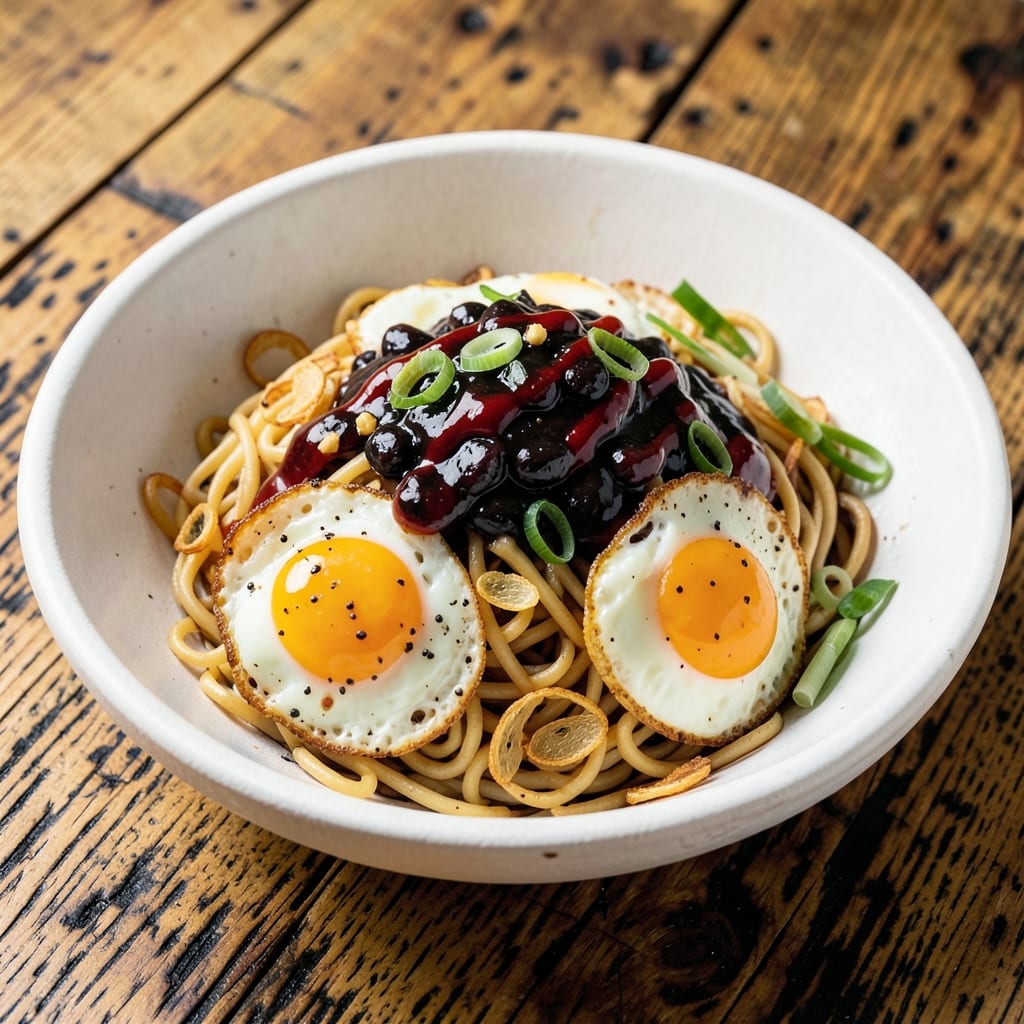
This Chings Egg Hakka Noodles recipe delivers the perfect balance of textures—crispy wonton noodles, creamy egg rivers, and a savory-sweet sauce that'll make you crave it every morning. ✨ The secret lies in the high-heat stir-fry technique that creates that signature crispiness while keeping the eggs perfectly poached. I've perfected this dish after countless attempts, and it's now a staple in my breakfast rotation.
The dish starts with flat Hakka noodles that transform into crispy, golden strands when stir-fried just right. Poached eggs with runny yolks add richness, while a sauce made from fermented bean paste, soy sauce, and chili oil brings depth of flavor. Every bite combines these elements into a harmonious mix of textures and tastes that's both comforting and exciting.
What makes this recipe special is how it comes together in under 30 minutes. The crispy noodles form the foundation, while the poached eggs add a luxurious touch. The sauce ties everything together with its perfect balance of spicy, sweet, and umami flavors. This dish isn't just breakfast—it's a flavor experience that'll elevate your morning routine.
Serve with pickled vegetables or steamed greens for a complete meal. The crispy texture of the noodles contrasts beautifully with the softness of the eggs and vegetables, making each bite satisfying. Let's get started on creating this delicious dish that's sure to become a favorite in your home.
Ingredients for chings egg hakka noodles
Hakka noodles, runny eggs, and a bold sauce—this recipe delivers crispy perfection in every bite.
| Ingredient | Amount | Notes |
|---|---|---|
| Hakka Noodles (Wonton Noodles) 🍜 | 8 oz | Flat, dried noodles for crispy texture |
| Large Eggs 🥚 | 4 whole | Fresh, room temperature preferred |
| Fermented Black Bean Paste 🍶 | 1 tbsp | For authentic umami depth |
| Light Soy Sauce 🥄 | 2 tbsp | High-quality for balanced flavor |
| Dark Soy Sauce 🥄 | 1 tbsp | For rich color and depth |
| Chili Garlic Sauce 🌶️ | 1 tbsp | Adjust for spice preference |
| Sesame Oil 🌰 | 1 tsp | Toasted for nutty aroma |
| White Vinegar 🍶 | 1 tsp | Balances flavors perfectly |
| Neutral Oil (Peanut or Vegetable) 🫒 | ½ cup | High smoke point for stir-frying |
| Garlic Cloves 🧄 | 4 cloves | Minced for aromatic base |
| Green Onions 🧅 | 4 whole | Sliced for fresh garnish |
| Salt 🧂 | 1 tsp | Fine sea salt preferred |
| White Pepper 🌶️ | ¼ tsp | For subtle heat and aroma |
| Sugar 🍬 | ½ tsp | Balances soy sauce sweetness |
The Hakka noodles are non-negotiable here. Look for dried wonton noodles—the flat, wide strands are key for that signature crispy texture. Asian grocery stores carry the best selection, but most supermarkets stock them too. If you can't find Hakka noodles, rice vermicelli or egg noodles work in a pinch, though texture will differ. Freshness matters for the eggs too—room temperature eggs poach more evenly. I always buy organic, free-range eggs for this dish—the yolks are richer and hold their shape better during poaching. For the fermented black bean paste, La Choy or Lee Kum Kee are reliable brands that deliver authentic flavor.
No fermented black bean paste? Doubanjiang or a mix of soy sauce and a pinch of sugar can mimic the umami punch. Short on chili garlic sauce? Mix 1 tsp chili flakes with 1 tsp garlic paste—it's not identical, but gets you close. The soy sauces are where you can splurge: Kikkoman for light, Lee Kum Kee for dark. If you're using pre-minced garlic, drain it well—excess moisture ruins the crispy noodles. For extra crunch, I sometimes add crushed peanuts or fried shallots at the end, but that's optional. The green onions should be fresh—wilted ones add bitterness. If you're sensitive to spice, reduce the chili garlic sauce to 0.5 tbsp and add a pinch more sugar to balance.
Store the dried noodles in an airtight container for up to 6 months—they're shelf-stable. Fresh eggs keep 3 weeks in the fridge, but use them within 1 week of purchase for best poaching results. The sauce components (soy sauces, chili garlic, sesame oil) last 6-12 months unopened, but once opened, use within 3 months. For meal prep, cook the noodles ahead and store them in the fridge for 2 days—reheat in a dry pan over medium heat until crispy again. The eggs are best made fresh, but you can prep the sauce components in advance. This dish reheats beautifully—just add a splash of water to the pan and stir-fry until the noodles are crispy once more.
Why You'll Love This Recipe
- No Chopping Needed: I swear by this recipe when I’m too tired to dice anything. The fermented black bean paste and soy sauces handle all the heavy lifting—just stir, flip, and let the eggs do the work.
- Umami Bomb: That first bite? The crispy egg edges with the salty-sweet black bean paste clinging to the noodles—it’s the kind of flavor that makes you pause mid-bite. No fancy spices, just pure, addictive taste.
- Lunchbox Hero: Between us, this is my go-to for meal prep. The noodles reheat like a dream, and the eggs stay perfectly set—no soggy mess. Pack it cold or warm, and you’ve got a satisfying lunch sorted in minutes.
- Pantry Magic: Honestly, this recipe costs me pennies. A few eggs, a jar of black bean paste, and some soy sauce? That’s it. I’ve made it on a budget, and it’s still the star of the table—no overpriced ingredients required.
Step-by-step instructions for crispy wonton noodles with poached egg rivers
Here's how to achieve that signature crunch and silky egg perfection every time.
🍳 Step 1: Prepare the Noodles for Maximum Crisp
Boil 8 oz Hakka Noodles (Wonton Noodles) in salted water for 2 minutes—they cook faster than you'd expect. Drain immediately and rinse under cold water to stop the cooking process. This quick cook preserves their delicate texture while ensuring they crisp perfectly when stir-fried.
Spread the noodles on a wire rack to dry completely for 15-20 minutes. You're aiming for a paper-dry texture—this is the secret to that satisfying crunch. I like to fan them with a fork while they dry for even air circulation. If they're still slightly damp, they'll steam instead of crisp when fried.
🥘 Step 2: Build the Flavor Base
Heat 0.5 cup Neutral Oil (Peanut or Vegetable) in a wok or large skillet over medium-high heat until shimmering. Add the 4 cloves Garlic Cloves (minced) and stir for 30 seconds until fragrant but not browned—this prevents bitterness. Add the 1 tbsp Fermented Black Bean Paste and stir for another 30 seconds until it sizzles and releases its deep umami aroma.
Pour in 2 tbsp Light Soy Sauce, 1 tbsp Dark Soy Sauce, 1 tbsp Chili Garlic Sauce, and 0.5 tsp Sugar. Stir vigorously for 1 minute until the sauce reduces slightly and coats the pan. Here's where the magic happens—the dark soy sauce adds that signature mahogany color while balancing the light soy's saltiness.
🔥 Step 3: Fry the Noodles to Crispy Perfection
Add the dried noodles in a single layer and stir-fry for 2-3 minutes over high heat until they turn a deep golden brown. You want them crispy but not burnt—watch closely as they go from pale to toasted. If they stick, add 1 tsp White Vinegar to help break them up and prevent burning.
Remove the noodles and set aside. Immediately add 1 tsp Sesame Oil to the same pan and swirl to coat—this adds that nutty aroma that takes the dish to the next level. The residual heat will keep the noodles warm while you prepare the eggs.
🍳 Step 4: Poach the Egg Rivers
Bring a separate pot of water to a gentle simmer (not a rolling boil—you want just small bubbles breaking the surface). Crack 4 whole Large Eggs into small bowls and add 1 tsp White Vinegar to each. The vinegar helps the whites coagulate faster, creating those beautiful river-like patterns.
Carefully slide each egg into the simmering water using a slotted spoon. Poach for 3-4 minutes until the whites are set but the yolks remain runny. Remove with a slotted spoon and drain on paper towels. The key is timing—overcooked yolks ruin this dish. You want them just set enough to hold their shape when transferred to the noodles.
🥘 Step 5: Combine and Garnish
Return the crispy noodles to the pan and add the poached eggs. Toss gently to coat the eggs in the flavorful sauce. Add the 4 whole Green Onions (sliced) and 1 tsp Salt and 0.25 tsp White Pepper. Stir just enough to combine—you want the eggs to remain intact while absorbing the noodle flavors.
Serve immediately while the noodles are still crisp. The contrast of crunchy noodles with silky egg rivers is what makes this dish so special. Garnish with extra green onions if you're feeling fancy, and don't forget to crack fresh black pepper over the top for that final aromatic punch.
Pro Tips For Making Chings Egg Hakka Noodles
- Stir-Fry Eggs in Two Stages: First, scramble the eggs on medium-low heat until just set—about 20 seconds—then push them to the side and crank the heat to high. The residual heat will finish cooking them while you work on the sauce. I learned this the hard way when my eggs turned rubbery from overmixing.
- Bloom the Black Bean Paste: Heat your wok or pan until it’s smoking, then toss in the fermented black bean paste before adding oil. Let it sizzle for 10 seconds—this deepens its nutty aroma and prevents it from clumping. (Yes, even if you’re impatient like me.)
- Salt the Noodles After Cooking: Rinse the cooked noodles with cold water, but hold off on salt until they hit the wok. The soy sauces in the stir-fry will add enough salt, and adding it too soon makes the noodles mushy. Trust me, your noodles will thank you.
- Use Dark Soy for Color, Light for Depth: Swap half the dark soy sauce for light soy in the final toss—dark gives the noodles that classic mahogany hue, but light soy adds complexity without overpowering. I was skeptical until I tried it; the flavor balance is noticeably better.
Flavor customization for chings egg hakka noodles
Spice Level Control
Adjust the heat to your preference by modifying the chili garlic sauce. For mild heat, reduce to ½ tbsp and add ½ tsp sugar to balance. If you love spice, increase to 1.5 tbsp and add ½ tsp chili flakes for extra kick. I often keep a small bowl of chili oil on the table for guests to drizzle as they please—this gives everyone control over their spice level. 🌶️
Sweet & Tangy Twist
Add 1 tsp honey or maple syrup to the sauce for a sweet-tangy contrast that pairs beautifully with the savory eggs. I also like adding ½ tsp rice vinegar for brightness—this balances the richness of the noodles and eggs. For extra depth, a splash of coconut aminos (about 1 tsp) replaces some of the soy sauce while adding a nutty undertone.
Umami Boosters
Deepening the umami flavor is key for this dish. Swap the fermented black bean paste for 1 tbsp mushroom powder or ½ tsp fish sauce if you're vegetarian or prefer a different umami profile. For a richer taste, add 1 tsp miso paste to the sauce base—it dissolves quickly and adds complexity. I’ve also experimented with 1 tsp oyster sauce for a seafood-inspired twist that works surprisingly well. 💡
Herb & Aroma Variations
Fresh herbs elevate this dish instantly. Swap green onions for cilantro or Thai basil for a brighter, more aromatic finish. For a smoky note, add ½ tsp smoked paprika to the sauce or garnish with toasted sesame seeds. If you love garlic, double the minced garlic to 6 cloves—just be prepared for an intense aroma that’ll fill your kitchen. I often toast the sesame seeds in the pan for 30 seconds before adding them to the noodles for extra crunch and flavor.
Protein Swaps
While eggs are traditional, you can easily add chopped chicken, shrimp, or tofu for extra protein. For chicken, use ½ lb boneless, skinless chicken breast cooked and shredded—toss it with the noodles in the final step. Shrimp cooks in 2 minutes and adds a delicate sweetness. For tofu, press and pan-fry ½ block firm tofu until crispy before combining with the noodles. Each protein brings a unique texture and flavor to the dish. 🍳
Texture Enhancements
For extra crunch, add 1 tbsp crushed peanuts or fried shallots at the end. I also love sprinkling ½ tsp toasted cumin seeds for a warm, earthy note. If you enjoy chewy textures, add ½ cup shredded cabbage to the stir-fry—it softens slightly but maintains a satisfying bite. For a creamy element, drizzle with 1 tsp hoisin sauce or a swirl of sriracha mayo (mix 1 tbsp mayo with ½ tsp sriracha) before serving.
Nutrition facts
Frequently asked questions
Why do the Hakka noodles need to be completely dry before frying?
The paper-dry texture is essential for that signature crispy crunch. Damp noodles will steam instead of crisp when fried, resulting in soggy strands. The 15-20 minute drying time ensures they develop that satisfying texture while keeping the interior tender. Think of it like making perfect tempura—water is the enemy of crispiness!
Can I make Chings Egg Hakka Noodles ahead of time?
Cook the noodles ahead and store them in an airtight container for 2 days—they'll lose crispiness but regain it when reheated in a dry pan over medium heat for 2-3 minutes. The eggs are best made fresh, but you can prep the sauce components in advance. For a complete make-ahead meal, cook the noodles and sauce separately, then combine just before serving with freshly poached eggs.
What's the best way to achieve perfect egg rivers?
Use room temperature eggs and a gentle simmer (small bubbles breaking the surface). Add 1 tsp white vinegar to the poaching water—it helps the whites coagulate faster while creating those beautiful river patterns. Poach for exactly 3-4 minutes for set whites and runny yolks. The key is patience—don't overcrowd the pot or the eggs will stick together.
How can I make this dish vegetarian?
Swap the eggs for silken tofu cubes or mushroom caps (like shiitake) for a meaty texture. Use ½ block firm tofu pressed and pan-fried until crispy, or ½ cup sliced king oyster mushrooms for umami depth. For extra protein, add ½ cup shredded cabbage or bean sprouts that soften slightly during stir-frying. The fermented black bean paste can be replaced with mushroom powder or vegetarian oyster sauce for umami.
Why does my sauce taste too salty?
Dark soy sauce is the most likely culprit—it's saltier than light soy sauce. Start with ½ tbsp dark soy sauce and adjust to taste. If you've already added it, balance with ½ tsp sugar or 1 tsp rice vinegar to cut the saltiness. For future batches, taste as you go—build the sauce gradually rather than adding all ingredients at once. Remember, you can always add more sauce but can't remove excess salt.