
Breakfast & Brunch
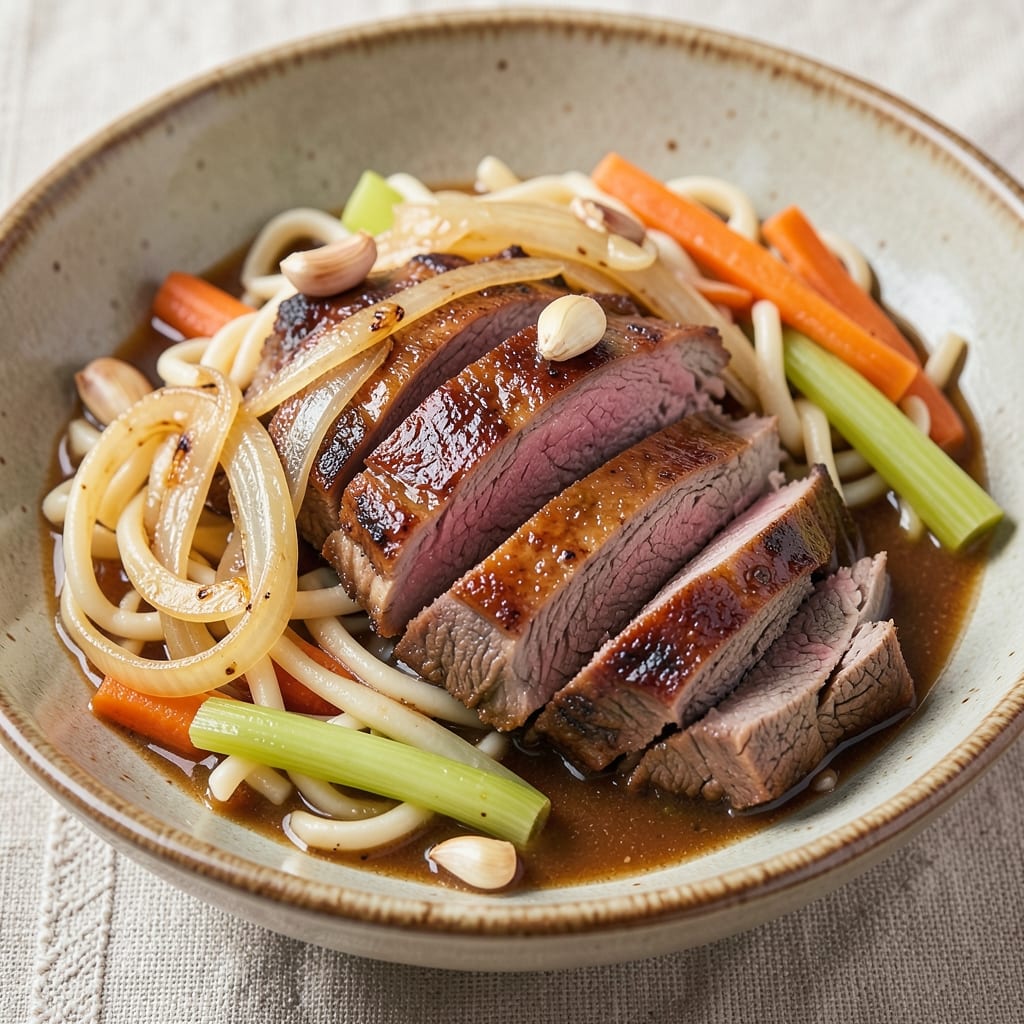
This chuck roast and egg noodles recipe transforms a humble breakfast staple into a hearty, savory braise that delivers restaurant-quality comfort in one pan. The secret lies in slow-cooking the chuck roast until it becomes fork-tender, then combining it with rich, eggy noodles that soak up every bit of flavor. I developed this dish after realizing how versatile chuck roast could be beyond traditional roasts—especially when paired with the subtle richness of egg noodles.
The beauty of this recipe is its simplicity: minimal prep, one-pot cooking, and a tender result that feels indulgent without requiring hours at the stove. While chuck roast typically needs low-and-slow treatment, the egg noodles cook quickly in the same pot, absorbing the meat's juices and creating a cohesive, flavorful dish. Perfect for weeknight dinners or brunch gatherings, this recipe proves breakfast foods can shine as satisfying mains.
By the time you're done, you'll have perfectly tender meat that falls apart with a fork, paired with egg noodles that are just al dente—neither mushy nor undercooked. The dish balances hearty and delicate perfectly, with the egg noodles adding a subtle richness that complements the deep, savory flavors of the braised chuck roast. This is the kind of meal that feels like a hug on a plate.
Whether you're feeding a family or treating yourself to a hearty breakfast-for-dinner, this recipe delivers. The best part? Leftovers reheat beautifully, making it ideal for meal prep. Let's get started on creating this comforting, satisfying dish that's sure to become a staple in your rotation.
Ingredients for chuck roast and egg noodles
Two pounds of chuck roast and egg noodles—simple ingredients for a dish that feels like a warm embrace.
| Ingredient | Amount | Notes |
|---|---|---|
| Chuck Roast 🥩 | 2 lb | Pre-cut into 1.5-inch cubes for even cooking |
| Egg Noodles 🍝 | 12 oz | Fresh or dried, medium width preferred |
| Yellow Onion 🧅 | 1 whole | Diced, about 1.5 cups total |
| Garlic Cloves 🧄 | 4 cloves | Minced, for deep flavor infusion |
| Carrots 🥕 | 3 whole | Cut into 1-inch chunks, baby carrots work too |
| Celery Stalks 🥬 | 3 whole | Diced, classic mirepoix base |
| Beef Broth 💧 | 3 cups | Low-sodium preferred, homemade or quality store-bought |
| Dry Red Wine 🍷 | 1 cup | Bold variety like Cabernet Sauvignon |
| Tomato Paste 🍅 | 2 tbsp | Smooth, not chunky, for rich base |
| Worcestershire Sauce 🍶 | 1 tbsp | For umami depth, vegetarian version if needed |
| Dried Thyme 🌿 | 1 tsp | Or 1 tbsp fresh, leaves stripped |
| Bay Leaves 🌿 | 2 whole | Remove before serving |
| Black Peppercorns 🌶️ | 10 whole | Crushed, for fresh pepper flavor |
| Salt 🧂 | 1 ½ tsp | Diamond Crystal preferred, adjust to taste |
| Olive Oil 🫒 | 2 tbsp | Extra-virgin for searing, high smoke point |
The chuck roast is where this dish shines—look for well-marbled cuts at Costco or your butcher shop. If you're buying a whole roast, ask for it to be cut into 1.5-inch cubes (or do it yourself with a sharp knife). The egg noodles? Barilla fresh egg noodles from the refrigerated section are my go-to—they hold up beautifully to the braising. For the wine, any bold red works here—Cab Sauv, Merlot, whatever's open. Pro tip: if you're using dried egg noodles, soak them in warm water for 10 minutes before adding to the pot to speed up cooking time.
No red wine? Beef broth with a splash of balsamic vinegar gets you close. Fresh thyme is ideal but dried works at one-third the amount. The tomato paste can be the squeeze tube kind from Trader Joe's—it's perfect for this recipe since you only need two tablespoons. Worcestershire sauce is non-negotiable for that deep umami punch, but if you're vegetarian, vegan Worcestershire works just as well. For the vegetables, baby carrots and celery from the pre-cut veggie section save time without sacrificing flavor. The onions can be yellow or red—just make sure they're crisp and fresh.
This dish tastes even better the next day, so make extra if you can. Store leftovers in an airtight container in the fridge for up to 5 days—the flavors meld beautifully over time. For meal prep, portion into containers with a little extra broth to keep everything moist. Freezes well for 3 months, though I'd recommend reheating gently in a skillet with a splash of water to revive the textures. The egg noodles will soften slightly when reheated, so they're perfect for cold lunches too.
Why You'll Love This Recipe
- One-Pot Magic: I swear by this—just toss everything into a single pot, walk away for a few hours, and come back to tender meat and noodles that taste like a hug. No fancy techniques, no stress.
- Deep Umami Bomb: That chuck roast? It gets ridiculously tender, falling apart in your mouth while the carrots and onions caramelize into sweet, savory pockets. Honestly, the flavor is what makes this dish a weekly staple.
- Lunchbox Hero: Between us, this is my go-to for meal prep. The leftovers reheat like a dream—no soggy noodles here—and my kids actually ask for it in their lunches. (Yes, even on a Tuesday.)
- Budget Win: A chuck roast stretches for days, and egg noodles are dirt cheap. I feed my family four meals for the price of one takeout order, and the taste? Way better than anything delivered.
Step-by-step instructions for chuck roast and egg noodles
Here's how to transform tough chuck roast into melt-in-your-mouth perfection paired with rich, eggy noodles.
🍳 Step 1: Sear the Chuck Roast for Deep Flavor
Heat a large Dutch oven over medium-high heat until hot. Add the 2 tablespoons olive oil and swirl to coat the bottom. Working in batches if needed, add the 2 lb chuck roast in a single layer, letting each piece sear undisturbed for 3-4 minutes until deeply browned on all sides. This step develops the Maillard reaction, creating that rich, caramelized flavor we want in our braise.
I press down gently on the roast during the first minute—this prevents it from curling and ensures even contact with the pan. Once all pieces are golden brown, transfer them to a plate and set aside. The seared meat will release easily when ready, so don't force it before that point. You'll notice the pan will have beautiful browned bits stuck to the bottom—that's flavor we'll incorporate later.
👨🍳 Step 2: Build the Flavorful Base
In the same Dutch oven, reduce heat to medium and add the diced yellow onion, diced celery stalks, and cut carrots. Cook for 5-6 minutes, stirring occasionally, until the vegetables begin to soften and the onion becomes translucent. This classic mirepoix combination forms the aromatic foundation of our dish.
Add the minced garlic cloves and cook for another 30 seconds until fragrant—don't let it burn or it'll turn bitter. Stir in the 2 tablespoons tomato paste and cook for 1 minute to deepen its flavor. Pour in the 1 cup dry red wine and scrape up all those browned bits from the bottom of the pan with a wooden spoon. This deglazing step captures all that concentrated flavor we worked so hard to create.
🥘 Step 3: Simmer the Braise to Tender Perfection
Return the seared chuck roast to the Dutch oven. Add the 3 cups beef broth, 1 tablespoon Worcestershire sauce, 1 teaspoon dried thyme, 2 whole bay leaves, and 10 whole black peppercorns. Bring to a gentle simmer, then reduce heat to low and cover. Let it cook for 2.5 hours, turning the roast occasionally, until it's fork-tender and easily pulls apart.
Here's the thing—this low-and-slow cooking is where the magic happens. The connective tissue in the chuck roast breaks down during this time, transforming into gelatin that makes the meat incredibly tender. I check the internal temperature after 2 hours—it should read 195-200°F at its thickest point. If it's not there yet, give it another 30-45 minutes of cooking time.
🍳 Step 4: Cook the Egg Noodles Al Dente
While the roast simmers, cook the 12 oz egg noodles according to package instructions for al dente texture—usually about 8-10 minutes in boiling salted water. Drain and set aside, reserving ½ cup of the pasta water. The starchy water helps create a silky sauce when combined with our braising liquid later.
I like to shock the noodles with cold water for 30 seconds after draining to stop the cooking process immediately. This prevents them from becoming mushy when we combine everything. The noodles should have a slight bite to them—this ensures they hold up well in the rich sauce without becoming soggy.
🥘 Step 5: Combine and Finish with Rich Sauce
Remove the bay leaves and peppercorns from the braised roast. Using two forks, shred the chuck roast directly in the Dutch oven, breaking it into bite-sized pieces. Add the cooked egg noodles and toss gently to combine. Pour in the reserved ½ cup pasta water and stir until everything is well coated in the sauce.
Taste and adjust seasoning with the 1.5 teaspoons salt if needed. The sauce should be rich and velvety, clinging beautifully to both the noodles and the tender beef. If it's too thick, add more pasta water 1 tablespoon at a time until you reach your desired consistency. Serve immediately while still hot, garnished with fresh parsley if you like—this comforting dish is best enjoyed straight from the pot.
Pro Tips For Making Chuck Roast And Egg Noodles
- Trim the Fat First: Chuck roast comes with a thick fat cap—slice that off before searing. I learned this the hard way when my first batch turned greasy instead of caramelized. The leaner meat browns better and soaks up flavors faster.
- Sear in Batches: One chuck roast won’t fit in most pans without crowding. Cut it into 1.5-inch chunks and brown them in two rounds—high heat, no rushing. The crust on each piece makes all the difference later.
- Salt the Noodles Early: Toss egg noodles with a teaspoon of salt before cooking. They’ll absorb it while boiling, and you’ll avoid that bland, pasty texture. (Yes, even if you’re impatient like me.)
- Deglaze with Beer: After browning the meat, splash in ½ cup of beer (or broth) instead of water. The alcohol burns off, leaving behind deep flavor that clings to the noodles. Skip this, and you’re missing the soul of the dish.
Perfect pairings for these flavors
Classic Side Pairings
Start with a simple garlic green bean sauté—toss 1 lb green beans with 2 tbsp butter, 3 minced garlic cloves, and ½ tsp red pepper flakes for 5 minutes until crisp-tender. The bright acidity cuts through the richness of the chuck roast while keeping the meal balanced. I like to finish with a squeeze of lemon juice right before serving. 🌿
For a heartier side, try roasted Brussels sprouts with balsamic glaze. Toss 1 lb halved Brussels sprouts with 1 tbsp olive oil, ½ tsp salt, and ¼ tsp black pepper, then roast at 400°F for 20 minutes. Drizzle with 2 tbsp reduced balsamic vinegar before serving. The caramelized edges add a satisfying crunch that contrasts beautifully with the tender noodles.
Bread and Butter Sides
A crusty baguette is a must—slice it into ½-inch thick pieces, brush with garlic butter (mix 2 tbsp softened butter with 1 minced garlic clove and ½ tsp parsley), and toast in the oven at 375°F for 8-10 minutes. The buttery, crispy bread soaks up the braising juices perfectly. I always keep a French baguette from Whole Foods on hand for this purpose.
For a lighter option, creamy mashed potatoes elevate the dish without overwhelming it. Use 2 lbs Yukon Gold potatoes, boiled until tender, then mashed with 4 tbsp butter, ¼ cup warm milk, ½ tsp salt, and ¼ tsp black pepper. Fold in 2 tbsp sour cream for extra richness. The silky texture pairs wonderfully with the shredded chuck roast. 🥔
Vegetable Medley
A roasted root vegetable medley adds color and texture. Toss 1 lb carrots, 1 lb parsnips, and 1 lb sweet potatoes (all cut into 1-inch chunks) with 1 tbsp olive oil, ½ tsp thyme, ½ tsp salt, and ¼ tsp black pepper. Roast at 400°F for 30 minutes until caramelized. The natural sweetness complements the savory depth of the chuck roast.
For a fresh contrast, shaved fennel salad brings a bright, anise-like crunch. Thinly slice 1 medium fennel bulb (about ½ inch thick) and toss with 2 tbsp olive oil, 1 tbsp lemon juice, ½ tsp salt, and ¼ tsp black pepper. Add ¼ cup chopped parsley for freshness. The crisp texture and citrusy note balance the hearty flavors of the main dish. ✨
Cheesy Complements
Grilled cheese croutons add a fun, interactive element. Toast 1 cup cubed sourdough bread with 2 tbsp butter, then layer with 2 slices sharp cheddar and 1 slice Gruyère. Grill in a pan until golden and melty, then crumble over the finished dish. The gooey cheese ties everything together beautifully.
For a more elegant touch, creamy polenta with Parmigiano-Reggiano adds a luxurious texture. Cook 1 cup polenta in 4 cups boiling water with ½ tsp salt for 20 minutes, stirring often. Stir in 2 tbsp butter and ¼ cup grated Parmigiano-Reggiano. The smooth, buttery polenta soaks up the braising sauce like a dream. 🧀
Nutrition facts
Frequently asked questions
Can I substitute regular noodles for egg noodles?
While you can use regular pasta, egg noodles are ideal because their richer, slightly buttery flavor complements the deep, savory chuck roast perfectly. For a similar texture, try fettuccine or pappardelle, but avoid thin noodles like spaghetti—they'll turn mushy in the braising liquid. If you're vegetarian, whole wheat egg noodles work well too.
How do I make this dish faster without sacrificing tenderness?
Start by using a pressure cooker—it cuts the cooking time to about 45 minutes while still achieving fork-tender meat. Sear the roast as directed, then add all ingredients (except noodles) and pressure cook on high for 30 minutes, followed by a 10-minute natural release. Cook noodles separately and combine at the end. For stovetop, use beef broth with a splash of vinegar to speed up the braising process slightly.
What's the best way to reheat leftovers?
Leftovers reheat beautifully! Place portions in a skillet over medium-low heat with 1-2 tablespoons of beef broth or water per serving. Cover and warm for 5-7 minutes, stirring occasionally, until heated through. Avoid microwaving—the textures become uneven. For extra richness, add a pat of butter or a splash of red wine when reheating. This dish actually tastes better the next day as flavors meld!
Can I make this dish in a slow cooker?
Brown the chuck roast in a skillet first, then transfer to your slow cooker with all ingredients except the noodles. Cook on low for 8 hours or high for 4-5 hours until the meat is tender. Shred the meat, mix with cooked noodles, and adjust the sauce consistency with pasta water or extra broth. The slow cooker method is perfect for hands-off cooking and makes this dish even more flavorful.
Why did my chuck roast turn out tough instead of tender?
This usually happens when the meat isn't cooked long enough or at a low enough temperature. Chuck roast needs to reach an internal temperature of 195-200°F—use a meat thermometer to check! If you cut into it too early, the connective tissue won't have broken down. For tough results, try increasing cooking time by 30-45 minutes or using a meat mallet to tenderize the roast before cooking. Also ensure your pot has enough liquid to create steam that tenderizes the meat.