
Breakfast & Brunch
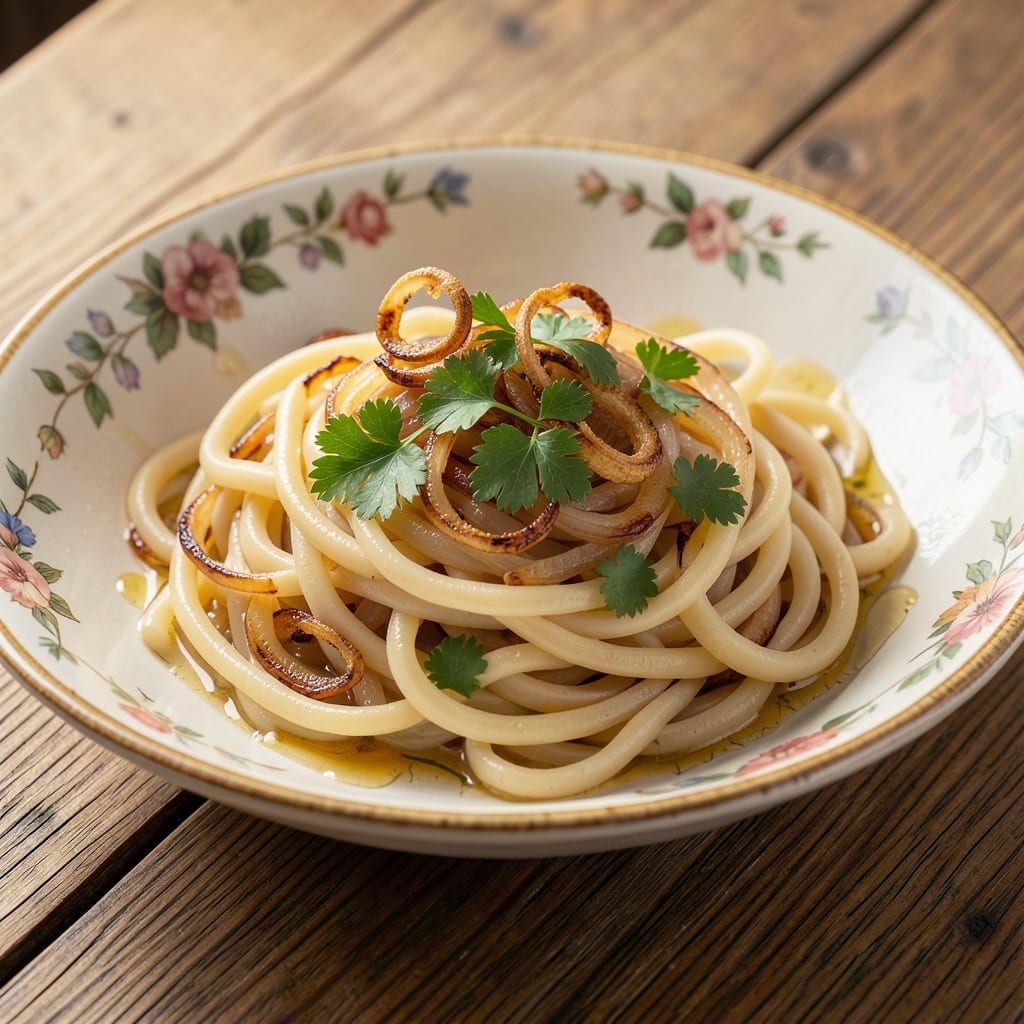
This Czech egg noodle recipe brings Central Europe's beloved vaječná knedlíky to your kitchen table with tender, egg-rich dumplings that soak up butter like a dream. ✨ The secret lies in the high-egg dough—no yeast, no waiting, just flour, eggs, and water that transform into delicate, pillowy noodles perfect for slicing and serving with herby butter or poppy seeds.
What makes these noodles special is their versatility—they work as a comforting side for stews, a hearty breakfast base, or even a vegetarian main when topped with sautéed mushrooms. The dough's egg content creates a signature tender yet sturdy texture that holds up beautifully during boiling, ensuring every slice maintains its shape while absorbing flavors.
By the time you're done, you'll have a batch of golden, buttery noodles that taste like a taste of home—whether served with crispy bacon, fresh herbs, or a dollop of sour cream. The process is simpler than it sounds, with just a few ingredients and minimal effort required to achieve restaurant-quality results.
These noodles also make an excellent base for meal prep, keeping well in the fridge for up to 3 days or freezing for longer storage. Perfect for feeding a family or impressing guests with an authentic Czech touch, this recipe delivers both tradition and practicality in every bite.
Ingredients for czech egg noodle
Six essential ingredients transform into tender Czech egg noodles perfect for soaking up herby butter.
| Ingredient | Amount | Notes |
|---|---|---|
| All-Purpose Flour 🌾 | 3 cups | Sifted for light texture |
| Large Eggs 🥚 | 6 whole | Room temperature preferred |
| Water 💧 | 1 ½ cups | Lukewarm for ideal mixing |
| Salt 🧂 | 1 tsp | Fine sea salt preferred |
| Unsalted Butter 🧈 | ½ cup | Cold, cubed for butter bath |
| Fresh Parsley 🌿 | ¼ cup | Finely chopped, for herby butter |
| Fresh Dill 🌿 | ¼ cup | Finely chopped, for herby butter |
| Poppy Seeds 🌰 | 2 tbsp | Toasted for nutty flavor |
| Garlic Cloves 🧄 | 2 cloves | Minced for butter flavor |
| Black Peppercorns 🌶️ | ½ tsp | Freshly cracked for aroma |
| Sour Cream 🥛 | ¼ cup | Optional, for serving |
| Crispy Bacon 🥓 | 4 oz | Chopped, for garnish (optional) |
The flour and eggs are the foundation—King Arthur or Gold Medal flours work best for a tender dough. Eggs should be at room temperature for even mixing, so take them out 10 minutes before starting. For the herby butter, Trader Joe's or Whole Foods carry fresh herbs at great prices. Poppy seeds can be found in the baking aisle or international foods section—Bob's Red Mill has a good organic option. The garlic and peppercorns should be fresh; if they smell stale, replace them immediately.
No parsley? Chives or cilantro work in a pinch, though parsley's bright flavor is ideal. Dill can be swapped for tarragon at half the amount. For a dairy-free option, replace the butter with olive oil and vegan butter>, though the texture will be slightly different. If you're serving these as a vegetarian main, sauté mushrooms or spinach for a hearty topping. The sour cream is optional but adds a tangy contrast that balances the richness of the butter bath.
The dough keeps well in the fridge for 3 days wrapped in plastic, or 3 months frozen between parchment paper. For meal prep, boil and cool the noodles before freezing—they'll reheat beautifully. To serve, simply slice and dip in the herby butter. The bacon can be cooked ahead and stored in the fridge for 5 days or frozen for 2 months. Always let the butter come to room temperature before mixing to avoid lumps.
Why You'll Love This Recipe
- No-Fuss Dough: I swear by this recipe because it’s basically foolproof—just flour, eggs, water, and a pinch of salt. No kneading, no fuss, and the eggs give it that signature chewy texture without the work.
- Butter’s Secret Weapon: That little pat of butter in the dough? It’s what makes these noodles dangerously good—they’re rich but not greasy, with a tender bite that’s pure satisfaction.
- Weeknight Workhorse: Between us, this is my go-to when I’m low on time or inspiration. Toss them with sautéed mushrooms, a simple cheese sauce, or even leftover roast chicken—they adapt without complaint.
- Budget Stretch: Honestly, you can’t beat the value. A few eggs and a bag of flour stretch for multiple meals, and they reheat like a dream. My freezer’s always stocked—because why not?
Step-by-step instructions for Czech egg noodles
Master this traditional dumpling technique for tender, egg-rich noodles with a delicate texture.
👨🍳 Step 1: Mix the Dough to Perfect Consistency
In a large mixing bowl, combine the 3 cups all-purpose flour and 1 teaspoon salt. Create a well in the center and add the 6 whole large eggs and 1.5 cups lukewarm water. The dough should form a shaggy mass that clings to your fingers when you press it.
Using a wooden spoon or dough whisk, gradually incorporate the flour into the wet ingredients until a smooth, elastic dough forms. I like to work in small batches if needed—this prevents overmixing. The dough should be soft but not sticky, and when pressed between your fingers, it should hold together without crumbling. If it feels too dry, add 1 tablespoon water at a time until it reaches the right consistency.
Once the dough comes together, turn it out onto a lightly floured surface and knead gently for 2-3 minutes just until smooth. Avoid over-kneading, which develops gluten and makes the noodles tough. Wrap the dough in plastic wrap and let it rest for 30 minutes at room temperature. This resting period relaxes the gluten, ensuring tender noodles.
🔪 Step 2: Roll and Cut the Noodles
After resting, divide the dough into 4 equal portions (about 8 ounces each). Working with one portion at a time, roll it into a ¼-inch thick sheet on a floured surface. I use a rolling pin, but a pasta machine works too—just adjust the setting to the thinnest possible thickness for traditional Czech noodles.
Roll the dough gently but firmly, rotating it ¼ turn after each pass to maintain even thickness. The sheet should be large enough to cut into ¼-inch wide strips. If the dough tears, patch it together with a little water and re-roll. For extra authenticity, I like to brush the rolled sheet lightly with water before cutting—this prevents sticking and gives the noodles that classic handmade texture.
Cut the sheet into strips using a sharp knife or pasta cutter. For traditional Czech egg noodles, I cut them into ¼-inch wide strips. You can cut them into squares or leave them as long strips—both work well. As you cut, stack the noodles on a floured tray to prevent sticking. The final batch should yield about 16 ounces of cut noodles, enough for 4 servings.
🍳 Step 3: Cook the Noodles Al Dente
Bring a large pot of salted water to a rolling boil. Add the noodles in batches to avoid overcrowding, which can cause them to stick together. Stir gently to prevent clumping, and cook for 3-4 minutes until they float to the surface. This is your signal that they're al dente—tender but still with a slight bite.
Drain the noodles immediately in a colander and rinse them under cold water for 10 seconds to stop the cooking process. Shake off any excess water and transfer them to a serving dish. The noodles should be opaque with a slight sheen but not translucent. If they're still too firm, return them to the boiling water for 30 seconds and check again. Overcooking turns them mushy, so keep an eye on them.
🥘 Step 4: Prepare the Herby Butter Bath
While the noodles cook, prepare the herby butter by melting the ½ cup unsalted butter in a small saucepan over low heat. Once melted, remove from heat and stir in the 2 tablespoons toasted poppy seeds, 2 minced garlic cloves, ½ teaspoon freshly cracked black peppercorns, ¼ cup finely chopped fresh parsley, and ¼ cup finely chopped fresh dill. Let the mixture cool slightly for 2 minutes—this ensures the herbs infuse the butter without wilting.
To toast the poppy seeds, dry-toast them in a small skillet over low heat for 2-3 minutes until fragrant and lightly golden. This step deepens their nutty flavor and prevents them from being bland in the finished dish. The garlic and pepper should be finely minced or cracked to distribute evenly throughout the butter. If the mixture separates, whisk it gently to combine before using.
🍽️ Step 5: Assemble and Serve
Return the drained noodles to the pot and toss them gently with the herby butter mixture. The residual heat from the noodles will help the butter melt and coat them evenly. If the butter feels too thick, add 1 tablespoon hot water to loosen it. Serve the noodles immediately, topped with the 4 ounces chopped crispy bacon (if using) and a dollop of ¼ cup sour cream for creaminess.
For an authentic Czech touch, I like to serve these noodles with a side of sautéed mushrooms or a simple green salad. The herby butter bath elevates the simple egg noodles into a restaurant-worthy dish. Each bite should deliver a balance of rich egg flavor, nutty poppy seeds, and fresh herbs—proof that traditional techniques still deliver the best results.
Pro Tips For Making Czech Egg Noodle
- Use Room-Temperature Eggs: Cold eggs from the fridge mix into the dough like tiny ice cubes, making it fight you the whole time. Take them out 20 minutes before mixing—your dough will come together smoother, and the noodles won’t turn out gummy or tough.
- Boil Water Hard: I used to skimp on the boil, thinking "almost boiling" was fine. Wrong. Czech egg noodles need a rolling, aggressive boil—think big bubbles breaking the surface—to keep them firm and chewy. No half-measures here.
- Salt the Water Less: The dough already has salt, and the butter will add more when cooking. Taste the boiling water first—it should be very lightly salted, almost like plain water. Overdoing it here makes the noodles taste flat.
- Cut Through the Dough: After resting, the dough gets stubborn. Use a sharp bench scraper or pizza cutter to divide it—it slices cleaner than a knife and won’t mash the edges. This keeps the noodles from sticking together when rolled.
Serving suggestions for this czech egg noodle
Buttery Perfection
Serve your Czech egg noodles with the herby butter bath immediately after cooking to achieve maximum flavor absorption. The warm noodles will melt the butter perfectly, creating a rich, aromatic coating. For extra indulgence, drizzle an additional 1 tablespoon melted butter over the top before serving—this adds a luxurious sheen and enhances the eggy richness of the noodles. 🧈
Classic Toppings
Crispy bacon is a traditional Czech pairing that adds a smoky contrast to the tender noodles. Cook 4 ounces of bacon until crispy, then chop and scatter over the top. For a vegetarian option, sauté 1 cup sliced mushrooms in butter with a pinch of salt until golden brown. Both toppings elevate the dish while keeping it authentic to Central European flavors.
Fresh Herb Garnish
Finish your plate with a sprinkle of fresh herbs to brighten the dish. I recommend 1 tablespoon chopped chives or 1 tablespoon microgreens> for a pop of color and freshness. The herbs not only enhance visual appeal but also provide a pleasant contrast to the richness of the butter and egg noodles. A quick sprinkle right before serving keeps the herbs vibrant and flavorful.
Side Dish Pairings
A simple green salad with a tangy vinaigrette balances the richness of the egg noodles beautifully. Toss 4 cups mixed greens with 2 tablespoons olive oil and 1 tablespoon lemon juice for a refreshing accompaniment. For a heartier meal, serve with a side of sautéed sauerkraut—its tangy flavor complements the buttery noodles perfectly.
Meal Prep Adaptations
If preparing ahead, cook the noodles 1 minute less than directed, then store in an airtight container with a splash of water to prevent drying. Reheat in a skillet with 1 tablespoon butter over medium heat for 2 minutes, stirring gently. For the herby butter, store the dry ingredients (poppy seeds, herbs, garlic, and pepper) separately and mix with melted butter just before serving to preserve freshness. ✨
Czech-Inspired Sides
Complete your meal with traditional Czech sides like bramboráky (potato pancakes) or kyselá kapusta (sauerkraut). For a lighter option, serve with chilled cucumber salad> made with thinly sliced cucumbers, sour cream, and fresh dill. These sides not only complement the egg noodles but also transport you to a Czech tavern with every bite.
Nutrition facts
Frequently asked questions
Why does this recipe use so many eggs?
The high egg content creates the signature tender yet sturdy texture of Czech egg noodles. Each egg adds moisture and binding power, preventing the noodles from becoming tough when boiled. Traditional recipes use eggs to achieve that delicate, pillowy consistency that absorbs flavors beautifully.
Can I make these noodles without a rolling pin?
Use a clean wine bottle or even a heavy skillet as a makeshift rolling pin. For best results, divide the dough into small portions and roll each one between two sheets of parchment paper to prevent sticking. The key is to keep the sheet ¼-inch thick for authentic texture.
What if my dough is too sticky?
Add 1 tablespoon flour at a time until it reaches a soft but workable consistency. The dough should cling slightly to your fingers but not stick permanently. Overworking it can develop gluten, so handle gently. If it tears while rolling, simply patch it with a little water.
How do I store leftover Czech egg noodles?
Store cooked noodles in an airtight container with a damp paper towel to prevent drying. They keep for 3 days in the fridge or 3 months frozen. For freezing, spread them on a tray first to prevent clumping. Reheat in butter over medium heat for 2 minutes to restore tenderness.
Can I use this dough for other dishes?
Yes! The same dough works perfectly for Czech-style dumplings (knedlíky) or as a base for savory pancakes. For dumplings, shape the dough into balls and boil for 10 minutes. The egg-rich dough also makes excellent potstickers when pan-fried before boiling.