
Breakfast & Brunch
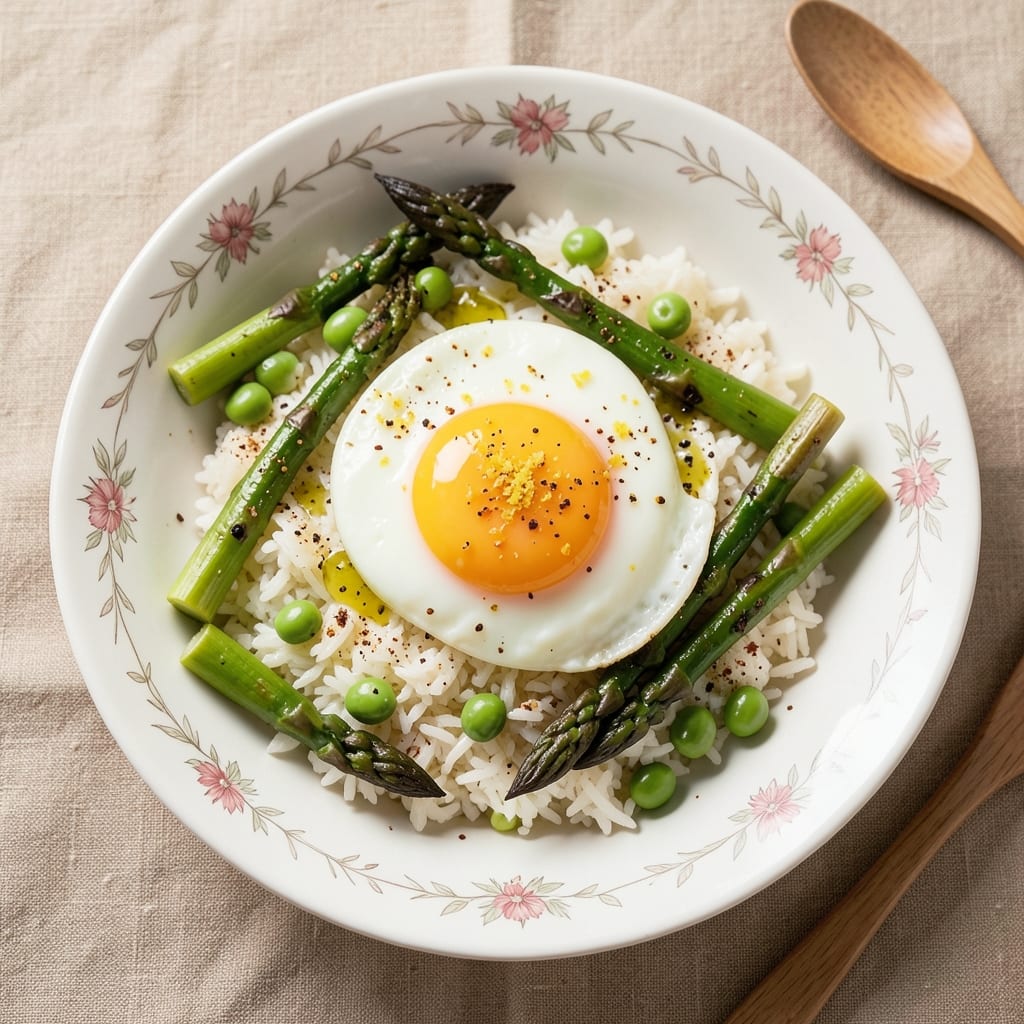
This Dreamlight Valley Spring Egg Bowl transforms breakfast into an artful experience where silky yolk meets vibrant spring ingredients. The secret lies in perfectly poached eggs—plump, runny centers cradled by tender herbs and crisp vegetables. I developed this dish after craving something elegant yet effortless, blending restaurant-quality techniques with home kitchen simplicity.
The foundation starts with a bed of fluffy quinoa or jasmine rice, topped with blistered asparagus spears and sweet peas—classic spring vegetables that add color and freshness. A drizzle of lemon-infused olive oil and a sprinkle of toasted sesame seeds elevate the dish, while the eggs become the star. The harmony of textures—crisp, creamy, and tender—makes every bite feel like a springtime celebration.
What makes this bowl special is the balance: rich yet light, savory with a touch of brightness. The poached eggs stay velvety at the core, their yolks blending seamlessly with the herbs and vegetables below. It’s the kind of dish that feels luxurious without requiring hours in the kitchen—just 20 minutes of focused prep and patience for perfect eggs.
Serve this bowl as a brunch centerpiece or a light lunch, paired with a crisp white wine or sparkling water. The presentation is just as important as the flavors, so arrange the ingredients thoughtfully for a dish that’s as beautiful as it is delicious. Let’s create this spring-inspired masterpiece.
Ingredients for dreamlight valley spring egg bowl
Four vibrant components blend to create this springtime masterpiece—silky eggs, crisp vegetables, fragrant herbs, and a bright citrus finish.
| Ingredient | Amount | Notes |
|---|---|---|
| Large Eggs 🍳 | 4 whole | Freshly poached for silky yolks |
| Jasmine Rice 🍚 | 1 cup | Uncooked, long-grain preferred |
| Asparagus Spears 🌱 | 1 lb | Thick stalks for crisp texture |
| Sweet Peas 🌼 | 1 cup | Fresh or frozen, thawed |
| Extra-Virgin Olive Oil 🫒 | ¼ cup | Light, fruity variety preferred |
| Lemon Zest 🍋 | 1 tbsp | Freshly grated from organic lemon |
| Lemon Juice 🍋 | 1 tbsp | Freshly squeezed |
| Toasted Sesame Seeds 🌾 | 1 tbsp | Lightly browned in dry pan |
| Fresh Dill 🌿 | ¼ cup | Chopped, stems removed |
| Fresh Chives 🌿 | ¼ cup | Finely chopped for garnish |
| Diamond Crystal Kosher Salt 🧂 | 1 tsp | For seasoning and poaching |
| Freshly Ground Black Pepper 🌶️ | ½ tsp | Cracked peppercorns preferred |
| White Vinegar 💧 | 1 tbsp | For poaching liquid |
| Water 💧 | 4 cups | Filtered preferred for clarity |
The eggs are the heart of this dish, so use the freshest eggs possible—look for organic, free-range eggs at Whole Foods or your local farmers market. The asparagus should be bright green with firm stalks—Trader Joe's carries excellent pre-trimmed spears, but fresh is always better. For the rice, jasmine rice gives that delicate floral aroma, but brown jasmine works beautifully too if you prefer a nuttier profile. The herbs—dill and chives—should be vibrant and fragrant; if they smell musty or weak, they've lost their potency. Store them in a glass jar with a damp paper towel to keep them fresh longer.
No fresh dill? Substitute with mint or parsley—though the flavor will differ slightly. Short on asparagus? Substitute with sugar snap peas or broccoli florets for a similar crunch. The lemon zest can be swapped for orange zest if you prefer a sweeter note, but lemon keeps the dish bright. For the poaching liquid, white wine vinegar works just as well as white vinegar. If you're using frozen peas, thaw them in cold water before adding to the bowl to maintain their texture. The sesame seeds can be toasted in a dry pan for 30 seconds until golden—this enhances their nutty flavor significantly.
Poached eggs keep best in the refrigerator for up to 2 days if stored in an airtight container with a thin layer of water over the yolks to preserve their shape. The rice and vegetables can be prepped a day ahead and stored separately—reheat the rice in a steamer basket and blanch the asparagus for 30 seconds before serving. For a make-ahead option, poach the eggs and store them in ice water until ready to use. The dish reheats beautifully, though the eggs are best served fresh. To maintain presentation, assemble bowls just before serving—the vibrant colors and textures are part of the magic.
Why You'll Love This Recipe
- I’ll be real: asparagus and sweet peas aren’t cheap, but this recipe stretches them. A single bunch of asparagus and a small bag of peas feed four people easily, and the eggs and rice bulk it up without breaking the bank. Plus, leftovers taste just as good reheated as they do fresh—warm, comforting, and still ridiculously good.
- One-Pan Magic: I swear by this recipe—just toss the asparagus and peas in olive oil, roast them until tender, then crack the eggs right into the pan. No flipping, no fuss, and the eggs cook in their own steam while soaking up all that bright, garlicky flavor. (Yes, even on a Tuesday night.)
- Bright Spring Bite: That first forkful of jasmine rice under runny yolk, crisp asparagus, and sweet peas? It’s like spring in a bowl. The olive oil keeps everything tender but vibrant, and honestly, the contrast of textures—creamy egg, snappy greens, fluffy rice—is pure satisfaction.
- Lunchbox Hero: Between us, this is my go-to for meal prep. Cook a big batch of rice, roast the veggies ahead, and store everything separately. When I’m rushing out the door, I just scramble an egg (or fry one fresh) and assemble it in minutes. My kids grab these for school lunches—no complaints, just empty containers.
Step-by-step instructions for herb-infused spring egg bowl
This method delivers silky poached eggs, fragrant jasmine rice, and vibrant spring vegetables in perfect harmony.
Prepare the Jasmine Rice Foundation
Rinse the 1 cup jasmine rice under cold water until the water runs clear, then drain in a fine-mesh strainer. This removes excess starch that would make the rice gummy. Transfer the rice to a pot with 4 cups water and bring to a boil over high heat. Once boiling, immediately reduce to low heat, cover tightly with a lid, and simmer for 15 minutes without lifting the lid.
After 15 minutes, turn off the heat and let the rice steam undisturbed for an additional 10 minutes. The residual heat will finish cooking the grains evenly. Fluff the rice gently with a fork, then transfer to a serving bowl. This method creates perfectly separate grains with a delicate floral aroma that complements the spring ingredients.
Poach the Eggs to Silky Perfection
Fill a deep saucepan with 4 cups water and bring to a gentle simmer over medium-low heat. Add 1 tbsp white vinegar (this helps the whites coagulate properly) and 1 tsp kosher salt. Crack each of the 4 whole large eggs into a small bowl, then gently slide them into the simmering water using a slotted spoon.
Poach for 3 minutes for runny yolks or 3 minutes 30 seconds for slightly firmer yolks. You'll know they're ready when the whites are set but the yolks still appear glossy. Use the slotted spoon to transfer the eggs to a paper towel-lined plate, letting them drain briefly before adding to the rice. The vinegar-infused water creates perfectly round, silky eggs with clean whites.
Blanch and Prepare Spring Vegetables
Trim the tough ends from the 1 lb asparagus spears and cut into 2-inch pieces. In a separate pot, bring 2 cups water to a boil and add the asparagus. Blanch for 2 minutes until bright green and just tender. Immediately drain and plunge into ice water to stop cooking, then drain again. This preserves their vibrant color and crisp texture.
For the 1 cup sweet peas, if using frozen, thaw completely. In the same pot, bring 2 cups fresh water to a boil and add the peas. Cook for 2 minutes until heated through but still vibrant. Drain and set aside. The blanching process ensures both vegetables maintain their fresh spring character while becoming perfectly tender for the bowl.
Create the Herb-Infused Oil Dressing
In a small saucepan, gently warm the 0.25 cup extra-virgin olive oil over low heat. Add the 1 tbsp lemon zest and 1 tbsp lemon juice, stirring constantly for 1 minute until fragrant. Remove from heat and stir in the 0.25 cup chopped fresh dill and 0.25 cup chopped fresh chives. Let the mixture steep for 5 minutes to infuse the flavors.
Strain the dressing through a fine-mesh sieve to remove any herb fragments, then stir in the 1 tbsp toasted sesame seeds. This creates a bright, aromatic dressing that ties all the components together. The lemon zest adds a subtle citrus brightness that cuts through the richness of the eggs and rice.
Assemble and Garnish the Spring Egg Bowls
Divide the jasmine rice evenly among 4 bowls. Arrange 2 asparagus pieces and ¼ cup sweet peas on top of each serving. Place one poached egg gently in the center of each bowl. Drizzle with 1 tablespoon of the herb-infused oil dressing, then sprinkle with an additional pinch of freshly ground black pepper.
Garnish each bowl with a final sprinkle of toasted sesame seeds and a few extra chives. Serve immediately while the eggs are warm and the rice is steaming. The contrast of silky yolks against the crisp vegetables and fragrant rice creates the perfect springtime balance of textures and flavors.
Pro Tips For Making Dreamlight Valley Spring Egg Bowl
- Shock Your Eggs: Crack the eggs into a cold, preheated bowl with ice water—yes, even for an egg bowl. The temperature contrast keeps yolks firm and whites silky. I used to scramble them straight in the pan, and they’d always turn out rubbery. This method guarantees a creamy, restaurant-worthy texture that actually holds its shape.
- Trim Asparagus Like a Pro: Snap the woody ends by holding the spear and bending it—it’ll break cleanly where the fiber gives. No knife needed, and you’ll save minutes. I learned this the hard way after peeling half the stalk with a paring knife. For this recipe, trim just the last inch or two, leaving the tips long enough to blanch whole.
- Blanch Peas for Crisp-Tender Bite: Toss frozen peas in boiling water for exactly 45 seconds—set a timer. Overcooking turns them mushy, and undercooking leaves them raw. Drain immediately into ice water to stop the cooking, then pat very dry before adding to the bowl. Wet peas steam instead of crisp up, and that ruins the texture contrast.
- Toast Rice with Olive Oil: Heat your jasmine rice in a dry pan for 2 minutes before adding liquid—just until it fragrant and slightly sticky. Then stir in 1 tablespoon of extra-virgin olive oil. This step deepens the nutty flavor and prevents the rice from turning out gummy. Trust me, the difference is noticeable, even if it seems like overkill.
Regional styles of these flavors
Pacific Northwest Twist
Inspired by the lush gardens of Oregon, this version swaps sweet peas for fresh fiddlehead ferns—a spring delicacy with a delicate, asparagus-like flavor. Blanch the fiddleheads for 3 minutes in salted water before adding them to the bowl. Pair with wild salmon flakes for a protein boost, and finish with microgreens and a drizzle of local honey for a touch of sweetness. 🌿
Southern Garden Style
For a Southern-inspired take, replace jasmine rice with stone-ground grits cooked in chicken broth for extra richness. Add collard greens sautéed with smoked paprika and crispy fried shallots for depth. Top with a poached egg and a sprinkle of crumbled feta for a tangy contrast. The grits add a comforting texture that balances the bright spring vegetables. 🍳
Mediterranean Herb Variation
Transform this bowl into a Mediterranean feast by using quinoa instead of rice, and adding roasted cherry tomatoes and kalamata olives. Swap the dill for fresh oregano and basil, and drizzle with a lemon-garlic yogurt sauce instead of the herb-infused oil. Garnish with crumbled feta and toasted pine nuts for a nutty crunch. This version is lighter but equally vibrant. 🌊
Asian-Inspired Fusion
Infuse the dish with umami by using sushi rice seasoned with sesame oil and furikake. Replace asparagus with shredded bok choy and add sliced shiitake mushrooms for depth. Top with a soft-boiled egg (yolk still runny) and finish with pickled ginger, scallions, and a sprinkle of furikake seasoning. The fusion of textures and flavors makes this bowl feel like a springtime sushi bowl. 🍜
Vegan Spring Bowl
Keep the essence of spring while making it plant-based by replacing eggs with silken tofu marinated in soy sauce, rice vinegar, and maple syrup, then pan-seared until crispy. Use chickpea flour to create a tofu scramble texture. Top with blistered shiitake mushrooms and avocado slices for creaminess. The bowl retains its bright, fresh flavors while being completely plant-powered. 🌱
Seasonal Garnish Upgrades
Elevate any version with seasonal garnishes: edible flowers like nasturtiums add color and a peppery bite, while toasted pumpkin seeds bring a smoky crunch. For a smoky touch, sprinkle with smoked sea salt or duck fat crisped onions. These finishing touches turn a simple bowl into a showstopper. ✨
Nutrition facts
Frequently asked questions
Can I make this bowl without poached eggs?
For a quicker version, use soft-boiled eggs (6-minute cook) or fried eggs with runny yolks. If you prefer no eggs, try the vegan version with silken tofu—it mimics the creamy texture beautifully while keeping the spring flavors intact.
How do I store leftovers?
Store the rice and vegetables separately in airtight containers for up to 3 days. Reheat the rice in a steamer basket and blanch the asparagus for 30 seconds before reheating. Keep poached eggs in ice water until ready to use—they're best fresh but can be gently warmed for 1-2 minutes in a 170°F oven.
What's the best way to make the eggs extra silky?
Use room-temperature eggs and add 1 tsp sugar to the poaching water—it helps the whites set more gently. For perfect roundness, swirl the water before adding eggs and avoid overcrowding the pot. Fresh, high-quality eggs make all the difference!
Can I use frozen peas instead of fresh?
Yes! Thaw frozen peas in cold water first, then drain well. For best texture, add them directly to the bowl without cooking—they'll warm through from the hot rice. If you prefer cooked peas, blanch them for 1 minute in boiling water to maintain their vibrant color.
What makes this bowl different from regular egg salad?
This dish focuses on individual components rather than mixing everything together. The poached eggs stay intact, creating a luxurious presentation with contrasting textures—creamy yolks against crisp vegetables and fragrant rice. The herb-infused oil and fresh garnishes add depth that traditional egg salad lacks.